

Year-Round Greenhouse Growing: A Comprehensive Guide
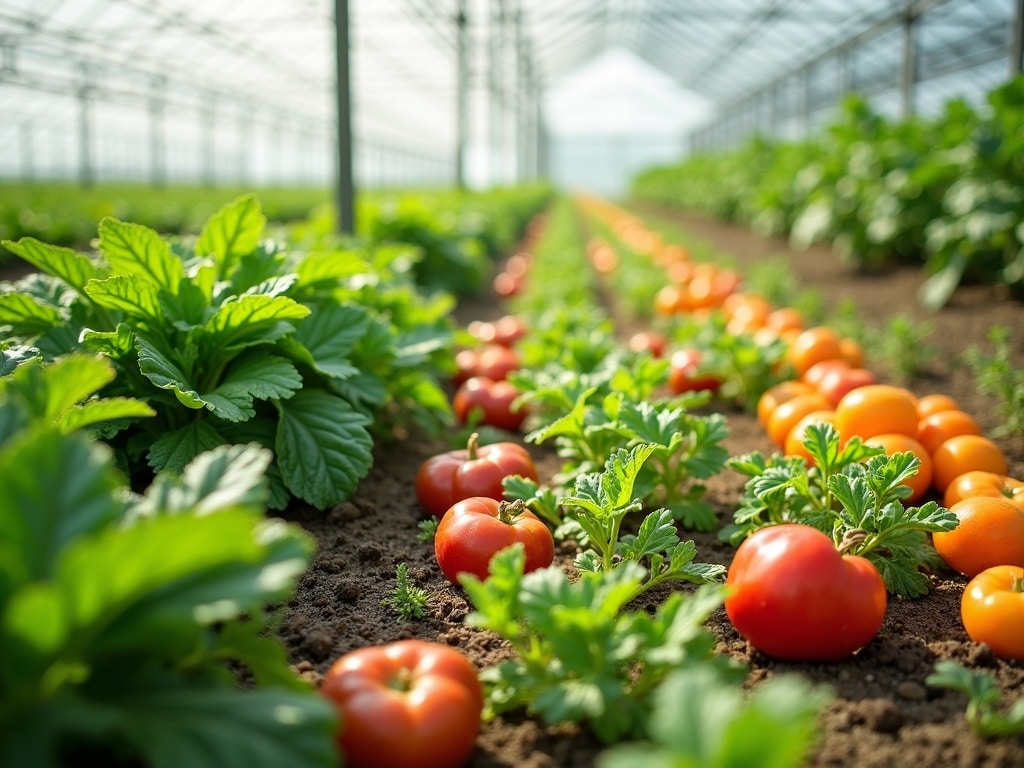
Imagine stepping into a lush, vibrant garden in the dead of winter, surrounded by thriving plants while the world outside is blanketed in snow. This isn't a fantasy; it's the reality of year-round greenhouse growing. With the right knowledge and techniques, you can extend your growing season and enjoy fresh, homegrown produce no matter the weather. This comprehensive guide will walk you through everything you need to know to create your own year-round greenhouse oasis.
Why Choose Year-Round Greenhouse Growing?
Beyond the obvious appeal of fresh produce in the off-season, year-round greenhouse growing offers a multitude of benefits:
**Extended Growing Season:Grow crops well beyond their typical seasonal limits. Enjoy tomatoes in December, lettuce in July, and herbs throughout the entire year.
**Increased Yields:Controlled environments optimize growing conditions, leading to higher yields compared to traditional outdoor gardening. You can fine-tune temperature, humidity, and light to maximize plant growth.
**Pest and Disease Control:Greenhouses provide a barrier against many common pests and diseases, reducing the need for harmful pesticides. You create a more isolated and controllable ecosystem.
**Protection from the Elements:Shield your plants from extreme weather conditions like frost, hail, heavy rain, and scorching sun.
**Control over Growing Conditions:Precisely manage temperature, humidity, light, and ventilation to create the ideal environment for your chosen crops. This level of control is impossible to achieve outdoors.
**Hobby and Relaxation:Gardening is a therapeutic and rewarding activity. A year-round greenhouse provides a consistent outlet for this passion, regardless of the season.
Planning Your Year-Round Greenhouse
Before you start construction or planting, careful planning is crucial for success. Consider the following factors:
Location, Location, Location
**Sunlight:Maximize sunlight exposure. Orient your greenhouse east to west to capture the most sunlight throughout the day. Consider landscape features like trees or buildings that could cast shadows.
**Accessibility:Ensure easy access to your greenhouse for watering, harvesting, and maintenance, especially during inclement weather.
**Utilities:Access to electricity and water is essential. Consider the cost and feasibility of running these utilities to your greenhouse location.
**Zoning and Permits:Check local zoning regulations and obtain any necessary permits before starting construction. Some areas have restrictions on the size and placement of greenhouses.
Greenhouse Structure and Materials
Choosing the right structure and materials is a critical decision. Here's a breakdown of common options:
**Greenhouse Styles:**
**Hoop Houses (Quonset Huts):These are the most affordable and simplest to construct, using curved hoops covered with polyethylene film. They are cost-effective but may not be as durable as other options.
**Gothic Arch Greenhouses:Similar to hoop houses but with a pointed arch, which helps to shed snow and provides more headroom.
**A-Frame Greenhouses:These offer a classic greenhouse look with vertical walls and a pitched roof. They are more expensive than hoop houses but provide more usable space and are more aesthetically pleasing.
**Lean-To Greenhouses:Designed to attach to an existing building, these are a good option for maximizing space and utilizing existing resources like electricity and water.
**Geodesic Dome Greenhouses:These structures are incredibly strong and energy-efficient but can be complex to construct.
**Framing Materials:**
**Wood:A traditional option that is aesthetically pleasing and relatively easy to work with. However, wood is susceptible to rot and requires regular maintenance.
**Metal (Steel or Aluminum):More durable than wood and resistant to rot. Steel is stronger but heavier and more prone to rust (unless galvanized). Aluminum is lightweight and rust-resistant but more expensive.
**PVC:A cost-effective and lightweight option but may not be as strong as wood or metal.
**Glazing Materials:**
**Polyethylene Film:The most affordable option, commonly used for hoop houses. It's lightweight but less durable and needs to be replaced every few years.
**Polycarbonate Panels:More durable than polyethylene film and offer better insulation. They are also impact-resistant and diffuse light evenly.
**Glass:Provides excellent light transmission and a classic greenhouse look. However, it's the most expensive option and can be prone to breakage.
**Acrylic Panels:Similar to polycarbonate but generally clearer and more expensive.
Size and Layout
Consider the following:
**Growing Space:Determine the amount of growing space you need based on the types and quantities of plants you want to grow.
**Pathways:Plan for adequate pathways to allow for easy access to your plants for watering, pruning, and harvesting.
**Work Area:Designate a space for potting, transplanting, and other gardening tasks.
**Storage:Allocate space for storing tools, fertilizers, and other supplies. Think vertically!
**Accessibility**: Ensure clear, wide access to allow different users and tools to enter the greenhouse.
**Future Expansion**: If possible, plan for potential future additions. It can be easier to expand during initial construction.
Budget
Greenhouse construction and operation can range from a few hundred dollars for a small hoop house to tens of thousands of dollars for a large, automated structure. Be realistic about your budget and prioritize essential features. Don't forget to factor in ongoing operating costs like electricity, water, and fertilizer.
Essential Systems for Year-Round Growing
Maintaining a consistent and optimal environment in your greenhouse requires several key systems:
Heating
Heating is arguably the most critical factor for year-round growing in cold climates. Consider these options:
**Electric Heaters:Simple to install and operate but can be expensive to run, especially for larger greenhouses. Use thermostatically controlled units for efficiency. Space heaters may create uneven heating in the greenhouse.
**Propane or Natural Gas Heaters:More efficient than electric heaters but require a gas line or propane tank. Ensure proper ventilation to prevent the buildup of harmful fumes.
**Wood Stoves:A renewable and cost-effective option if you have access to wood. However, they require more manual operation and can create uneven heating.
**Geothermal Heating:A more expensive but highly efficient option that utilizes the earth's constant temperature to heat your greenhouse. This requires specific site conditions and a larger initial investment.
**Solar Heating:Harness the power of the sun to heat your greenhouse. This can involve passive solar design (orienting the greenhouse to maximize sunlight exposure) or active solar systems (using solar panels to heat water or air).
**Insulation:Maximize your heating efficiency by properly insulating your greenhouse. Use bubble wrap, foam board, or other insulating materials to reduce heat loss.
Cooling and Ventilation
Even in winter, greenhouses can overheat on sunny days. Proper cooling and ventilation are essential to prevent plant stress and disease:
**Ventilation:**
**Natural Ventilation:This involves opening vents in the roof and sides of the greenhouse to allow for airflow. The effectiveness of natural ventilation depends on wind conditions and greenhouse design. High and low vents are required for good airflow.
**Fan Ventilation:Use exhaust fans to draw hot air out of the greenhouse and intake fans to bring in fresh air. Thermostatically controlled fans can automate this process. Consider shade cloth to help with managing sunlight.
**Shading:**
**Shade Cloth:This is a simple and effective way to reduce the amount of sunlight entering the greenhouse. Shade cloth comes in various densities, allowing you to customize the amount of shade.
**White Wash:Applying a diluted white paint to the exterior of the greenhouse can reflect sunlight and reduce heat buildup.
**Automated Shade Systems**: These systems automatically adjust based on the amount of sunlight.
**Evaporative Cooling:**
**Misting Systems:Misting systems spray a fine mist of water into the air, which evaporates and cools the greenhouse.
**Swamp Coolers:These devices draw air through a wet pad, which cools the air through evaporation. They are more effective in dry climates and require a constant water source.
Lighting
During the shorter days of winter, supplemental lighting can be necessary to promote healthy plant growth.
**Types of Grow Lights:**
**LED Grow Lights:The most energy-efficient option, LEDs produce very little heat and can be customized to provide the specific wavelengths of light that plants need.
**High-Pressure Sodium (HPS) Lights:A traditional option that is very efficient but produces a lot of heat. These are becoming less popular due to the availability of more efficient LED options.
**Metal Halide (MH) Lights:Similar to HPS lights but produce a bluer light spectrum that is better for vegetative growth. These also generate a lot of heat.
**Fluorescent Lights:A good option for starting seedlings and growing low-light plants. They are less efficient than LEDs and HPS lights but produce less heat.
**Light Spectrum:Plants need different wavelengths of light for different stages of growth. Blue light promotes vegetative growth, while red light promotes flowering and fruiting. Full-spectrum LED grow lights provide a balanced spectrum for all stages of growth.
**Photoperiod:The length of time that plants are exposed to light each day. Some plants are day-length sensitive and require specific photoperiods to flower or fruit. Automated timers can be used to control the photoperiod in your greenhouse.
Watering and Irrigation
Consistent and efficient watering is crucial for year-round greenhouse growing.
**Watering Methods:**
**Hand Watering:A simple option for small greenhouses but can be time-consuming and inconsistent.
**Drip Irrigation:Delivers water directly to the roots of plants, reducing water waste and minimizing the risk of foliar diseases. This is ideal for container-grown plants or row crops.
**Soaker Hoses:Similar to drip irrigation but less precise. They are a good option for watering larger areas of soil.
**Overhead Sprinklers:The least efficient method, as water is lost to evaporation and can promote foliar diseases.
**Ebb-and-Flow Systems:Plants are grown in trays that are periodically flooded with water and then drained. This system is efficient and reduces water waste.
**Water Quality:Use clean, high-quality water for your greenhouse plants. Test your water regularly to ensure that it is free of harmful contaminants. Rainwater harvesting is a sustainable way to collect water for your greenhouse!
**Automation:Automate your watering system with a timer or moisture sensor to ensure consistent and efficient watering.
CO2 Enrichment
Plants use carbon dioxide (CO2) during photosynthesis. Enriching the air in your greenhouse with CO2 can increase plant growth and yields.
**CO2 Generators:These devices burn propane or natural gas to produce CO2. Ensure proper ventilation to prevent the buildup of harmful fumes.
**CO2 Tanks:CO2 can be purchased in tanks and released into the greenhouse using a regulator and timer.
**Composting:Decaying organic matter releases CO2 into the air. Composting inside your greenhouse can provide a natural source of CO2.
**Monitoring:Use a CO2 monitor to track the CO2 levels in your greenhouse and ensure that they are within the optimal range (approximately 800-1200 ppm).
Choosing the Right Crops for Year-Round Growing
Not all plants are equally well-suited for year-round greenhouse growing. Consider these factors when choosing your crops:
**Climate Tolerance:Select plants that can tolerate the temperature and humidity levels in your greenhouse.
**Light Requirements:Choose plants that can thrive under the available light conditions, whether natural or supplemental.
**Growth Rate:Fast-growing crops like lettuce and spinach are ideal for continuous harvesting. Consider successional planting.
**Pest and Disease Resistance:Select varieties that are resistant to common greenhouse pests and diseases.
**Market Demand:If you are growing for sale, choose crops that are in demand during the off-season.
**Personal Preference:Grow what you enjoy eating!
Here are some popular crops for year-round greenhouse growing:
Discover Proven Techniques to Preserve Your Food Year-Round and Enjoy Less Waste with More Freshness
**Leafy Greens:Lettuce, spinach, kale, arugula, chard. These are fast-growing and tolerate cool temperatures.
**Herbs:Basil, parsley, cilantro, mint, oregano, thyme, rosemary. Herbs thrive in greenhouses and can be harvested continuously.
**Tomatoes:Choose determinate varieties that are well-suited for container growing. Provide supplemental lighting for optimal fruit production.
**Peppers:Similar to tomatoes, peppers require warm temperatures and plenty of light.
**Cucumbers:Grow vining varieties on trellises to maximize space.
**Strawberries:A popular crop for greenhouse growing, especially in colder climates.
**Radishes:Very fast growing in cool environments.
**Microgreens:Enjoy nutrient-rich greens that grow very fast.
Managing Pests and Diseases
While greenhouses offer some protection from pests and diseases, they are not immune. Integrated Pest Management (IPM) is a comprehensive approach to pest and disease control that emphasizes prevention and uses chemical controls only as a last resort.
**Prevention:**
**Sanitation:Keep your greenhouse clean and free of plant debris. Remove any diseased or infested plants immediately.
**Ventilation:Proper ventilation reduces humidity, which can prevent fungal diseases.
**Healthy Plants:Healthy plants are more resistant to pests and diseases. Provide adequate water, nutrients, and light.
**Quarantine:Inspect new plants before introducing them to your greenhouse to prevent the introduction of pests or diseases.
**Monitoring:Regularly inspect your plants for signs of pests or diseases. Use sticky traps to monitor insect populations.
**Biological Control:Introduce beneficial insects like ladybugs, lacewings, and predatory mites to control pests.
**Organic Controls:Use organic pesticides and fungicides like neem oil, insecticidal soap, and copper fungicide only when necessary.
**Crop Rotation**: Reduce pests and disease in the soil by moving plants and vegetables each season.
Soil and Nutrient Management
The right soil and nutrients are essential for healthy plant growth.
**Soil Testing:Test your soil regularly to determine its pH and nutrient levels.
**Soil Amendments:Amend your soil with compost, peat moss, or other organic matter to improve its texture, drainage, and nutrient content.
**Fertilizers:Use a balanced fertilizer that provides the essential nutrients that your plants need. Choose organic fertilizers whenever possible.
**Hydroponics**: A system where plants grow in nutrient-rich water without soil. This can reduce the number of pests and diseases.
**Aquaponics**: Combines aquaculture (raising fish) and hydroponics to create a symbiotic system. Fish waste provides nutrients for the plants, and the plants filter the water for the fish.
**Nutrient Solutions:For hydroponic and aquaponic systems, use a carefully formulated nutrient solution that provides all the essential nutrients for plant growth.
Extending the Harvest
Maximize your yields and extend your harvest with these techniques:
**Succession Planting:Plant new crops every few weeks to ensure a continuous harvest.
**Intercropping:Plant fast-growing crops between slower-growing crops to maximize space utilization.
**Vertical Growing:Use trellises, hanging baskets, and vertical planters to grow more plants in a limited space.
**Pruning:Prune your plants regularly to promote new growth and fruit production. Remove spent flowers and yellowed leaves.
**Pollination:Hand-pollinate your plants if necessary, especially for crops like tomatoes and peppers. Use a small brush or gently shake the plants to transfer pollen.
**Harvesting Practices**: Harvest regularly to encourage more growth.
Automation and Technology
Technology can make year-round greenhouse growing more efficient and convenient.
**Environmental Controls:Automate your heating, cooling, lighting, and watering systems with environmental controllers. These devices can monitor temperature, humidity, and light levels and adjust the greenhouse environment automatically.
**Sensors**: Use sensors to monitor soil moisture, CO2 levels, and other important parameters.
**Smart Phone Integration:Control your greenhouse systems remotely with a smartphone app.
**Robotics**: Consider using robots for tasks like planting, harvesting, and pruning in large-scale greenhouses.
**Data Analysis**: Collect data on your greenhouse environment and plant growth to optimize your growing practices.
Troubleshooting Common Problems
Even with careful planning and management, problems can arise in your greenhouse.
**Temperature Fluctuations**: Ensure that your heating and cooling systems are working properly and that your greenhouse is adequately insulated.
**Humidity Problems**: Use ventilation and dehumidifiers to control humidity levels.
**Pest and Disease Outbreaks**: Implement an integrated pest management program to prevent and control pests and diseases.
**Nutrient Deficiencies**: Test your soil and adjust your fertilizer regimen accordingly.
**Light Deficiency**: Supplemental LED growlights can increase yields and grow healthier plants.
**Poor Watering**: Ensure your plants are receiving consistently adequate water.
The Future of Year-Round Greenhouse Growing
Year-round greenhouse growing is becoming increasingly important as we face the challenges of climate change and food security. Innovations in technology, sustainable practices, and vertical farming are making greenhouse growing more efficient and accessible. Imagine a future where fresh, locally grown produce is available year-round, regardless of the climate.
Conclusion
Year-round greenhouse growing is a rewarding and sustainable way to enjoy fresh, homegrown produce throughout the year. While it requires planning, investment, and ongoing management, the benefits are well worth the effort. By understanding the essential systems, selecting the right crops, and implementing best practices, you can create your own thriving year-round greenhouse oasis. With dedication and a bit of green thumb magic, the taste of summer can be yours, even in the depths of winter.