
What to Feed Chickens: A Comprehensive Guide to Optimal Health and Egg Production
The clucking, contented sounds of backyard chickens are increasingly common, a testament to the growing popularity of raising these feathered friends. But beyond the joy of collecting fresh eggs each morning lies a crucial responsibility: providing your flock with the right nutrition. What to feed chickens is a question that goes far beyond simply scattering a handful of grain. It’s about understanding their nutritional needs at different life stages, the variety of food options available, and how to ensure they thrive in your backyard.
Understanding Chicken Nutritional Needs
Just like humans, chickens require a balanced diet to maintain their health, growth, and productivity. This diet should consist of the following key components:
- Protein: Essential for growth, feather development, and egg production.
- Carbohydrates: Provide energy for daily activities.
- Fats: Another source of energy and help with the absorption of certain vitamins.
- Vitamins: Crucial for various bodily functions, including immune system support and bone health.
- Minerals: Calcium, phosphorus, and other minerals are vital for strong bones, eggshell formation, and overall health.
- Water: Always essential, ensuring hydration and aiding in digestion.
Life Stage Considerations
A chick’s nutritional needs are vastly different from those of a mature laying hen. Therefore, understanding these variations is key to proper feeding.
- Chicks (0-8 weeks): Require a high-protein starter feed (around 20-24% protein) to support rapid growth. This feed is usually finely ground for easy consumption.
- Pullets (8-20 weeks): Transition to a grower feed (around 16-18% protein). This feed supports continued growth but at a slower pace than the starter feed.
- Laying Hens (20+ weeks): Need a layer feed (around 16-18% protein, with increased calcium) to support egg production. Calcium is crucial for strong eggshells.
- Molting Hens: During molting (the process of shedding and re-growing feathers), increase protein intake to support feather regrowth.
Commercial Chicken Feed: Your Foundation
Commercial chicken feed is specifically formulated to provide a complete and balanced diet for chickens at different life stages. They are a staple for most chicken owners and offer convenience and peace of mind.
Types of Commercial Feed
- Mash: A finely ground feed, often used for chicks as it's easy to digest.
- Crumble: Similar to mash but with slightly larger particles. A good option for chicks transitioning from starter feed or for picky eaters.
- Pellets: Compressed feed that reduces waste and is easy for chickens to eat. A popular choice for adult chickens.
- Scratch: A mix of cracked grains (like corn, wheat, and barley). Scratch is not a complete feed and should only be offered as a treat. Think of it like candy for chickens; it provides energy but lacks essential nutrients.
Reading Feed Labels
Understanding the information on a feed label is crucial for selecting the right feed for your chickens. Pay close attention to the following:
- Guaranteed Analysis: This lists the percentages of crude protein, crude fat, crude fiber, calcium, and phosphorus. Ensure these values align with your chickens' needs based on their life stage.
- Ingredients: Ingredients are listed in descending order by weight. Look for high-quality ingredients like corn, soybean meal, and other grains.
- Vitamins and Minerals: Check that the feed contains essential vitamins and minerals like vitamin A, vitamin D3, vitamin E, and B vitamins.
- Feeding Instructions: Follow the manufacturer's recommendations for feeding amounts.
Beyond Commercial Feed: Supplementing Your Flock's Diet
While commercial feed provides a solid foundation, supplementing your chickens' diet with fresh foods and treats can add variety, enrichment, and additional nutrients. However, moderation is key. Treats should only make up a small portion (around 10%) of their overall diet to avoid nutritional imbalances.
Safe and Healthy Treats for Chickens
- Vegetables: Leafy greens (lettuce, spinach, kale), cooked sweet potatoes, carrots, cucumbers, and zucchini are all excellent choices. Avoid avocado pits and skins, as they contain persin, which is toxic to chickens.
- Fruits: Apples (without the seeds), berries (strawberries, blueberries, raspberries), melons, and bananas (in moderation) are popular.
- Grains: Cooked rice, pasta, and bread (in small amounts) can be offered as treats.
- Protein Sources: Cooked eggs (scrambled or hard-boiled – a great source of protein and calcium, especially during molting), mealworms (a high-protein treat chickens love), and cooked meat scraps (in very small quantities, avoid processed meats high in salt and preservatives).
- Herbs: Many herbs offer health benefits to chickens. Consider planting herbs like lavender, mint, oregano, parsley, rosemary, and thyme in or around their coop.
Foods to Avoid Feeding Chickens
While chickens are omnivores and will eat a wide variety of foods, some foods are toxic or harmful to their health.
- Avocado pits and skins: Contain persin, which is toxic.
- Chocolate: Contains theobromine, which is toxic.
- Onions and Garlic (in large quantities): Can cause anemia. Small amounts of cooked onion or garlic are usually fine.
- Raw beans: Contain phytohemagglutinin, which is toxic. Cooked beans are safe.
- Salty Foods: Chickens are sensitive to high salt intake.
- Processed Foods: Generally unhealthy due to high salt, sugar, and unhealthy fats.
- Moldy or Spoiled Food: Can contain harmful toxins.
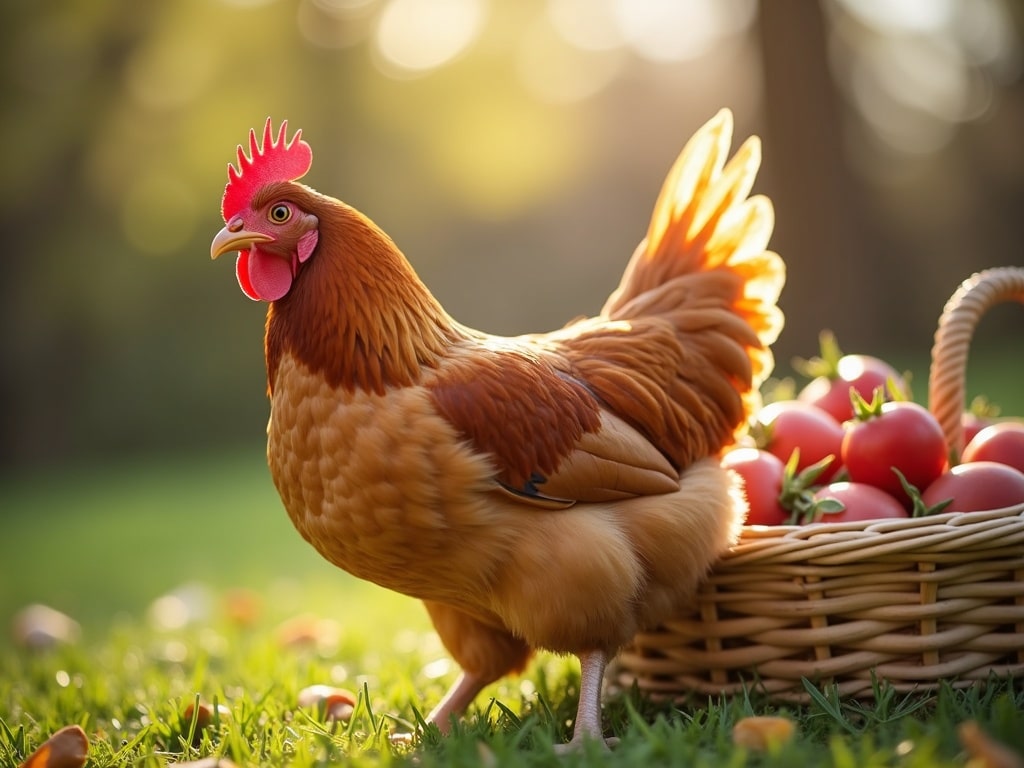
- Nightshade Plants: Avoid feeding your chickens nightshade plants. Nightshades are a family of plants that contain toxic compounds and include foods like potatoes, tomatoes, eggplant, and peppers.
Grit and Oyster Shell: Essential Supplements
In addition to a balanced diet, chickens need access to grit and oyster shell for proper digestion and eggshell formation.
Grit
Chickens don't have teeth, so they rely on grit (small stones or sand) in their gizzards to grind up food. Free-range chickens often ingest grit naturally, but confined chickens need supplemental grit. Offer grit in a separate container so chickens can consume it as needed.
Oyster Shell
Oyster shell is a source of calcium, which is essential for strong eggshells. Laying hens require a significantly higher amount of calcium than chicks or pullets. Provide oyster shell in a separate container, allowing hens to supplement their calcium intake as needed. You can often find oyster shell at your local feed supply store.
Water: The Elixir of Life
Clean, fresh water is absolutely essential for chickens. Chickens need constant access to water for hydration, digestion, and overall health. Dehydration can quickly lead to reduced egg production and health problems.
Providing Water
- Waterers: Choose a waterer that is appropriate for the size of your flock and easy to clean. Nipple waterers are a good option for minimizing spills and keeping the water clean.
- Placement: Place waterers in a shaded area to keep the water cool, especially during hot weather.
- Cleaning: Clean waterers regularly (at least daily) to prevent the growth of algae and bacteria.
- Winter: In freezing temperatures, use a heated waterer to prevent the water from freezing.
Feeding Strategies for Healthy Chickens
How you feed your chickens is just as important as what you feed them. Consider these feeding strategies to optimize their health and well-being.
Free-Range vs. Confined Feeding
- Free-Range: Free-range chickens have access to a wider variety of food sources, including insects, worms, and plants. They may require less commercial feed than confined chickens, but it's still important to provide a balanced diet.
- Confined: Confined chickens rely entirely on you for their food. Ensure they receive a complete and balanced diet through commercial feed and supplemented treats.
Regulating Feed Intake
Avoid overfeeding your chickens, as this can lead to obesity and health problems. Generally, chickens will regulate their food intake if given access to a constant supply of feed. However, it's important to monitor their body condition and adjust their feed accordingly. You can use the following strategies to regulate feed intake:
- Measure Feed: Measure out the amount of feed you give your chickens per day. This could be a cup or two, for example. Keep a record of the amount that the chickens eat each day and increase or decrease the amount as needed.
- Supplement with Treats: Avoid giving your chickens too many treats per day, as treats are often fattier than regular chicken feed.
Dealing with Picky Eaters
Some chickens are pickier eaters than others. Here are some tips for encouraging picky eaters to eat a balanced diet:
- Mix it up: Try mixing different types of feed or adding some treats to their feed to make it more appealing.
- Offer food in different forms: If they don't like pellets, try crumble or mash.
- Isolate the picky eater: If you have a particularly picky chicken, you may need to isolate it for a short period of time and offer it only the feed you want it to eat.
Troubleshooting Common Feeding Problems
Despite your best efforts, you may encounter feeding-related problems. Here's how to address some common issues:
Egg-Laying Problems
- Soft-Shelled Eggs: Indicates a calcium deficiency. Ensure your hens have access to oyster shell. You can also add calcium supplements to their feed.
- Thin-Shelled Eggs: May be caused by stress, age, or nutritional deficiencies (calcium, vitamin D3).
- Reduced Egg Production: Can be caused by various factors, including poor nutrition, stress, illness, or molting. Evaluate their diet, environment, and overall health.
Health Problems
- Obesity: Caused by overfeeding. Reduce feed intake and encourage foraging.
- Malnutrition: Caused by an imbalanced diet. Ensure your chickens are receiving a complete and balanced diet.
- Crop Problems (e.g., impacted crop): Can be caused by eating too much dry food or long, stringy grass. Provide grit and ensure they have access to water.
Feather Plucking
Feather plucking, or feather pecking, can be caused by a number of different issues. Chickens generally pluck each other's feathers due to stress, overcrowding, boredom, or lack of protein in their diet. Feather plucking can also be caused by external parasites like lice or mites. Make sure your chickens have a high-quality chicken feed, a clean and spacious living environment, and are free of parasites to prevent them from plucking each other's feathers.
The Joys of Feeding Your Flock
Feeding your chickens well is an investment in their health, happiness, and productivity. By understanding their nutritional needs, providing a balanced diet, and offering healthy treats, you can ensure your flock thrives and rewards you with delicious, fresh eggs for years to come. So go ahead, gather those scraps, fill those feeders, and enjoy the contented clucking that comes with a well-fed and happy flock!