
What Size Rain Barrel Do I Need? A Comprehensive Guide
Imagine the satisfying *thunkas rainwater trickles into a barrel, ready to nourish your garden, wash your car, or even flush your toilet. But before you rush out and buy the biggest barrel you can find, a vital question arises: what size rain barrel do I actually need? Choosing the right size is crucial for maximizing rainwater harvesting efficiency and preventing overflow, water wastage, and potential damage to your property. This guide dives deep into the factors that influence your rain barrel size needs, helping you make an informed decision that aligns with your specific circumstances.
Understanding Your Water Needs
The first step in determining the optimal rain barrel size is assessing your water usage habits and needs. Consider the following:
Garden and Lawn Irrigation
The size of your garden or lawn is a primary driver of water demand. A small herb garden requires significantly less water than a sprawling vegetable patch or a lush lawn. Estimate the square footage of the area you intend to irrigate with rainwater. Understanding the watering needs of your plants is equally important. Drought-tolerant plants require less frequent watering than thirsty annuals.
**Calculate Irrigation Needs:Determine how much water your garden/lawn requires per week. Online calculators and plant guides can assist with this.
**Consider Seasonal Variation:Remember that irrigation needs fluctuate throughout the year. Summer months typically demand more water than spring or fall.
Other Outdoor Uses
Beyond gardening, consider other outdoor uses for harvested rainwater.
**Car Washing:Regular car washing can consume a significant amount of water.
**Outdoor Cleaning:Patios, decks, and driveways often require cleaning.
**Pool Top-Off:If you have a swimming pool, rainwater can be used to top it off, reducing your reliance on municipal water.
Indoor Uses (Potentially)
While less common, rainwater can be used indoors for certain purposes after proper filtration and treatment.
**Toilet Flushing:Rainwater can be plumbed to toilets, significantly reducing water consumption. However, this requires a more complex and expensive system.
**Laundry:Similarly, rainwater can be used for laundry, but filtration and disinfection are essential.
Calculating Rainwater Collection Potential
Determining how much rainwater you can realistically collect is as crucial as assessing your water needs. Several factors influence your collection potential, including rainfall, roof size, and runoff coefficient.
Rainfall Data
The average annual rainfall in your area is a critical data point. Local weather stations and online resources provide historical rainfall data. Keep in mind that rainfall patterns can vary significantly from year to year, so consider both average rainfall and potential drought conditions.
Roof Size and Surface Area
Your roof serves as the primary catchment area for rainwater. Measure the surface area of your roof, taking into account the horizontal projection. For pitched roofs, the actual roof surface area is slightly larger than the horizontal projection, but the difference is usually negligible for rain barrel sizing purposes.
Runoff Coefficient
Not all rainwater that falls on your roof will make it into your rain barrel. Some water is lost to evaporation, wind, and absorption. The runoff coefficient represents the fraction of rainfall that you can expect to collect.
**Typical Values:A typical runoff coefficient for asphalt shingle roofs is around 0.8 to 0.9. For metal roofs, it can be even higher, approaching 0.95.
**Calculate Collection Potential:To estimate your rainwater collection potential, use the following formula: Collection Potential (gallons) = Rainfall (inches) x Roof Area (square feet) x Runoff Coefficient x 0.623 (conversion factor)
Factors Affecting Rain Barrel Size
Several other factors influence the ideal rain barrel size.
Space Constraints
The physical space available for rain barrels is a practical limitation. Consider the dimensions of your intended location and choose barrels that fit comfortably. Multiple smaller barrels may be a better option than a single large barrel if space is limited.
Budget
Rain barrels range in price depending on size, material, and features. Establish a budget and choose barrels that meet your needs without breaking the bank. Remember to factor in the cost of any necessary accessories, such as downspout adapters, hoses, and stands.
Aesthetics
Rain barrels are available in a variety of styles and colors. Choose barrels that complement your home's architecture and landscaping. You can also disguise rain barrels with decorative screens or plantings.
Local Regulations and Restrictions
Some municipalities have regulations regarding rainwater harvesting, including restrictions on rain barrel size and placement. Check with your local authorities before installing rain barrels to ensure compliance.
Maintenance
Larger rain barrels require more maintenance. Regular cleaning is essential to prevent algae growth and mosquito breeding. Consider the amount of time and effort you are willing to dedicate to rain barrel maintenance.
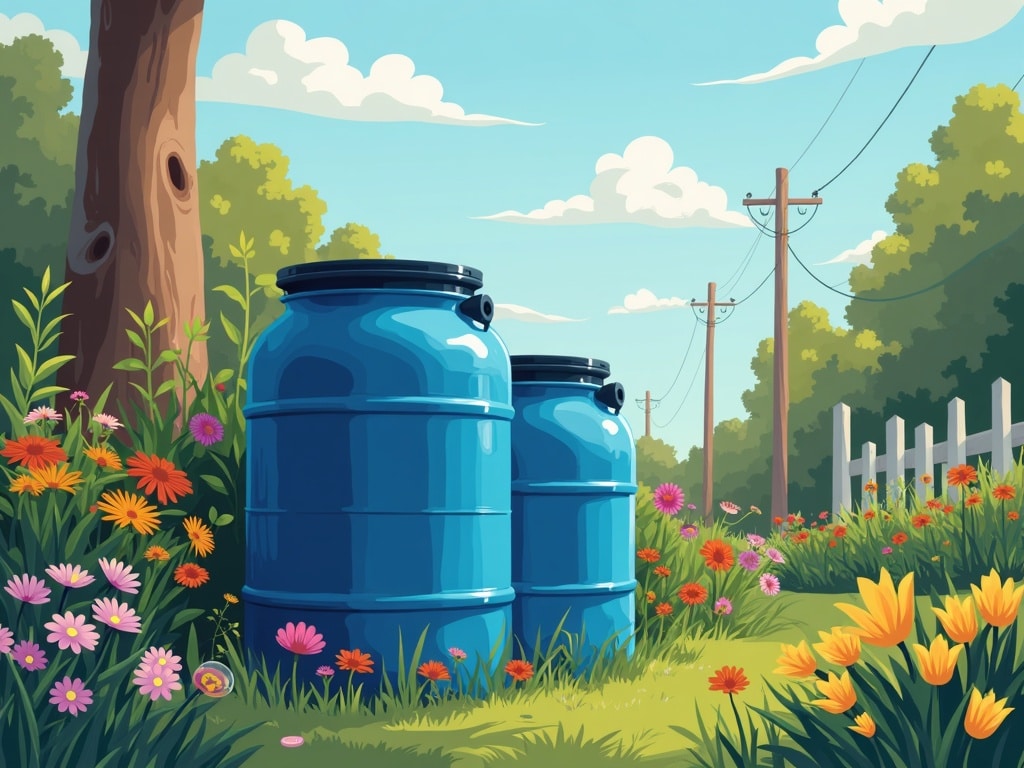
Rain Barrel Size Recommendations Based on Specific Needs
Let's explore some scenarios and provide recommendations for rain barrel size.
Small Garden (e.g., Herb Garden, Small Flower Bed)
**Water Needs:Low to moderate.
**Roof Area:Relatively small.
**Recommended Size:50-100 gallons. A single 50-gallon barrel may suffice for a very small garden, while a 100-gallon barrel provides more capacity for larger flower beds.
Medium Garden (e.g., Vegetable Garden, Combination of Flowers and Vegetables)
**Water Needs:Moderate to high.
**Roof Area:Moderate.
**Recommended Size:100-200 gallons. Consider using two 50-gallon barrels or a single 100-gallon barrel initially. You can always add more barrels later if needed.
Large Garden or Lawn
**Water Needs:High.
**Roof Area:Large.
**Recommended Size:200+ gallons. Multiple rain barrels are often necessary to meet the water demands of a large garden or lawn. Consider linking several barrels together to increase storage capacity.
Specific Examples:
**Example 1:A homeowner in a region with 40 inches of average annual rainfall has a 1,000 square foot roof and a small vegetable garden requiring approximately 50 gallons of water per week during the growing season. Their estimated collection potential is 40 inches x 1,000 sq ft x 0.85 (runoff coefficient) x 0.623 = 21,182 gallons per year. A 100-200 gallon rain barrel would be appropriate to store enough water required for a weeks worth of watering.
**Example 2:A homeowner wants to use rainwater for toilet flushing in a household of two people. Average toilet flushing consumption is approximately 5 gallons per flush, and people flush anywhere between 5-8 times per day. The homeowner will need to calculate the water needs as (5 gallons x 6.5 flushes = 32.5 gallons) 32.5 gallons x 2 people = 65 gallons of water per day x 7 days = approx 450 gallon/week. This homeowner will need to install a system that can accomodate, hold and filter apporx. a 500+ gallon tank to meet weekly demands.
Types of Rain Barrels
Rain barrels come in a variety of materials, shapes, and sizes. Common types include:
**Plastic Rain Barrels:These are the most common due to their low cost, durability, and lightweight nature. They are typically made from recycled polyethylene.
**Wooden Rain Barrels:These provide a more rustic and aesthetically pleasing option, blending naturally into garden settings. They often require more maintenance to prevent leaks and rotting.
**Metal Rain Barrels:Made from galvanized steel or aluminum, these are highly durable and resistant to pests but can be more expensive.
**Collapsible Rain Barrels:These are convenient for seasonal use or when storage space is limited. They consist of a foldable frame and a flexible liner.
**DIY Rain Barrels:You can also create your own rain barrel using recycled containers.
Consider the pros and cons of each type when making your selection.
Installation Considerations
Installing a rain barrel is generally a straightforward process, but several factors should be considered.
**Location:Choose a level surface near a downspout. Ensure that the location can support the weight of a full rain barrel.
**Downspout Diverter:A downspout diverter is essential to direct rainwater into the barrel and prevent overflow.
**Overflow Mechanism:Provide an overflow mechanism to redirect excess water away from your foundation and prevent water damage.
**Screening:Install a screen at the inlet to prevent debris, such as leaves and twigs, from entering the barrel.
**Spigot:Install a spigot near the bottom of the barrel for easy access to the collected rainwater.
**Base stand:Consider how you will have the rain barrel supported to ensure adequate water pressure to any hose hookups.
Maintenance Tips
Regular maintenance is crucial to keep your rain barrel system functioning efficiently.
**Regular Cleaning:Clean the rain barrel every few months to remove sediment and prevent algae growth.
**Mosquito Control:Use a mosquito dunk or screen to prevent mosquito breeding.
**Winterization:In cold climates, disconnect and drain the rain barrel before freezing temperatures arrive to prevent damage.
**Leaf Removal:Keep the area around the rain barrel free of leaves and debris to prevent clogs, especially around the gutter entrances.
Maximizing Rainwater Harvesting Efficiency
To maximize the benefits of rainwater harvesting, consider these additional tips:
**Multiple Rain Barrels:Link multiple rain barrels together to increase storage capacity.
**Rain Chains:Replace traditional downspouts with rain chains for a more aesthetically pleasing and environmentally friendly water collection system.
**Permeable Paving:Use permeable paving materials for driveways and patios to reduce runoff and increase groundwater recharge. [externalLink insert]
**Rain Gardens:Create rain gardens to capture and filter rainwater runoff, reducing the burden on municipal stormwater systems.
Conclusion: Finding Your Perfect Rain Barrel Fit
Determining the right rain barrel size is a critical step in creating an efficient and effective rainwater harvesting system. By carefully assessing your water needs, calculating your collection potential, and considering the various factors outlined in this guide, you can confidently choose rain barrels that align with your specific circumstances. Embrace the opportunity to conserve water, reduce your environmental footprint, and enjoy the many benefits of rainwater harvesting within your home and community. So, go forth, calculate, and start collecting nature's free and abundant gift from the sky!