
Unlocking the Potential of Rainwater Harvesting with Rain Chains
Imagine standing on your porch, the gentle patter of rain turning into a mesmerizing cascade as water flows down a beautifully crafted rain chain. More than just an aesthetic addition to your home, this simple device is a gateway to a world of sustainable living through rainwater harvesting. Forget clunky downspouts; embrace the elegance and efficiency of rain chains and discover how they can transform your relationship with nature's most precious resource.
What are Rain Chains and How Do They Work?
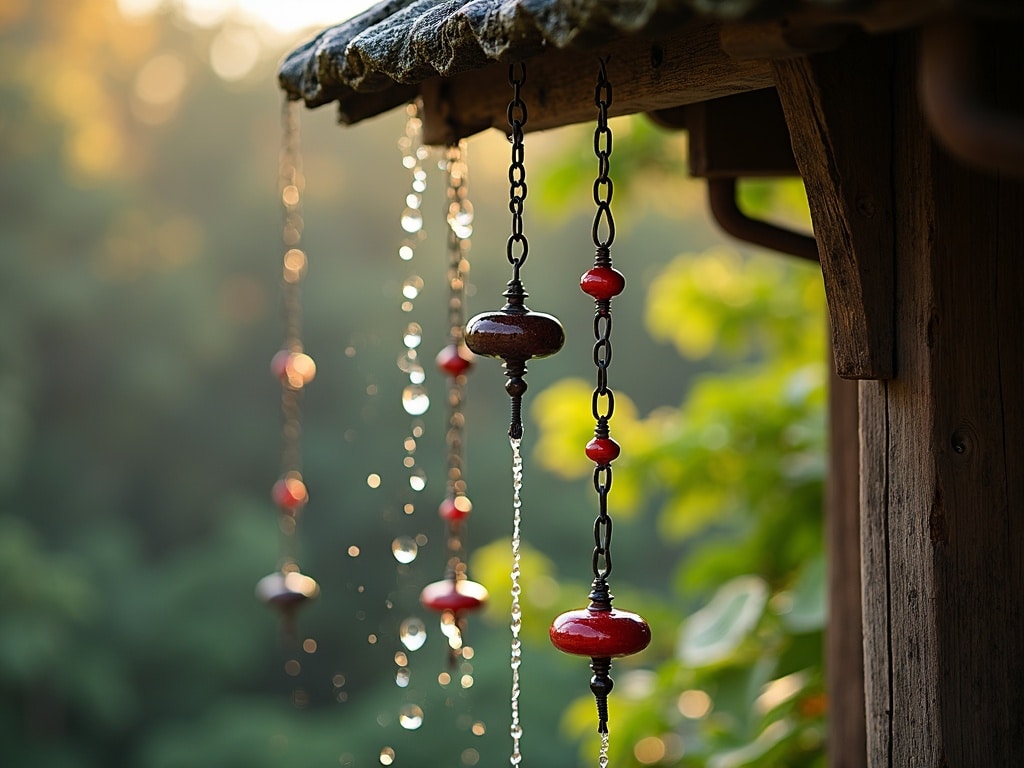
Rain chains, originating in Japan centuries ago, are decorative and functional alternatives to traditional gutter downspouts. Known as kusari doi, they were initially used at temples and shrines to channel rainwater in a visually appealing way. Instead of enclosing water within a pipe, rain chains encourage it to flow down a series of cups or links, creating a soothing waterfall effect.
The basic principle is simple: rainwater flows from the roof’s gutter system and is directed into the rain chain. The chain's design, whether it consists of cups, links, or other decorative elements, slows the water's descent, allowing it to gracefully cascade down to the ground. This controlled flow minimizes splashing and erosion, making it ideal for directing water into a rain barrel or garden bed.
The Benefits of Using Rain Chains for Rainwater Harvesting
Beyond their aesthetic appeal, rain chains offer numerous practical benefits for rainwater harvesting:
**Effective Water Diversion:Rain chains efficiently direct rainwater away from your home's foundation, preventing potential water damage. By controlling the flow of water, they minimize the risk of erosion and soil displacement around your property.
**Natural Aeration of Water:As water travels down the rain chain, it naturally aerates, which can be beneficial for plants if you're directing the flow into a garden. Aerated water is richer in oxygen, promoting healthier root growth.
**Aesthetic Enhancement:Rain chains add a touch of elegance and tranquility to any home. They come in a variety of styles and materials, allowing you to customize your home's exterior and create a unique water feature.
**Easy Installation:Installing a rain chain is a relatively simple process that can be done by most homeowners. It typically involves removing the downspout and attaching the rain chain to the gutter outlet.
**Environmentally Friendly:By harvesting rainwater, you reduce your reliance on municipal water sources, conserving water and lowering your water bill. It's a simple yet effective way to contribute to a more sustainable lifestyle.
**Visual Indicator of Rainfall:Rain chains provide a clear visual indication of rainfall, letting you know when your rain barrel is filling up or when your garden is receiving adequate moisture.
Choosing the Right Rain Chain for Your Needs
With a wide array of styles and materials available, selecting the perfect rain chain for your rainwater harvesting system can seem daunting. Here are some factors to consider:
**Material:Rain chains are commonly made from copper, aluminum, stainless steel, and even stone or glass.
**Copper:Copper rain chains are prized for their durability and attractive patina that develops over time. They are a popular choice for their classic and elegant appearance.
**Aluminum:Aluminum rain chains are lightweight, rust-resistant, and available in a variety of colors and finishes. They are a cost-effective option for those seeking a modern aesthetic.
**Stainless Steel:Stainless steel rain chains offer a sleek and contemporary look. They are highly durable and resistant to corrosion, making them suitable for harsh weather conditions.
**Other Materials:Rain chains made from stone or glass add a unique and artistic touch to your home. However, they may be more fragile and require more maintenance.
**Style:Rain chains come in two main styles: cup style and link style.
**Cup Style:Cup-style rain chains feature a series of cups that catch and channel water. They are known for their efficient water flow and minimal splashing.
**Link Style:Link-style rain chains consist of interconnected links that guide water downwards. They offer a more delicate and intricate appearance.
**Length:The length of your rain chain should be appropriate for the height of your gutter. It should reach close to the ground or into a rain barrel to prevent splashing.
**Aesthetics:Choose a rain chain that complements your home's architecture and personal style. Consider the color, finish, and overall design to create a cohesive look.
**Water Flow:Consider the average rainfall in your area and choose a rain chain that can handle the volume of water effectively. Cup-style rain chains generally handle larger volumes of water better than link-style chains.
Setting Up Your Rain Chain for Optimal Rainwater Harvesting
Proper installation is crucial for maximizing the effectiveness of your rain chain. Here's a step-by-step guide to setting up your system for optimal rainwater harvesting:
1. **Remove the Downspout:Disconnect the existing downspout from the gutter outlet. You may need to use a screwdriver or pliers to loosen any screws or clamps.
2. **Install a Gutter Reducer or Adapter:If the gutter outlet is larger than the opening of the rain chain, install a gutter reducer or adapter to ensure a secure fit.
3. **Attach the Rain Chain:Connect the rain chain to the gutter outlet using a V-hook or other attachment hardware. Make sure the chain is securely fastened to prevent it from falling.
4. **Secure the Bottom of the Chain:Secure the bottom of the rain chain to the ground or into a rain barrel. You can use a stake, a decorative basin, or simply let it hang freely.
5. **Test the System:During the next rainfall, observe how the water flows down the rain chain. Make any necessary adjustments to ensure efficient water diversion and minimize splashing.
Integrating Rain Chains with Rainwater Harvesting Systems
Rain chains are a natural complement to rainwater harvesting systems. Here's how you can integrate them effectively:
**Rain Barrels:Position the rain chain to direct water directly into a rain barrel. This allows you to collect and store rainwater for later use in your garden or for other non-potable purposes.
**Dry Wells:Direct the rain chain's flow into a dry well, an underground infiltration system that allows rainwater to slowly seep into the ground. This helps to recharge groundwater aquifers and reduce stormwater runoff.
**Rain Gardens:Use rain chains to direct water into a rain garden, a shallow depression planted with native plants that filter and absorb rainwater. Rain gardens help to reduce pollution and create a beautiful and functional landscape.
Creative Rain Chain Ideas and DIY Projects
Unleash your creativity and add a personal touch to your rainwater harvesting system with these innovative rain chain ideas and DIY projects:
**Upcycled Materials:Create a unique rain chain using recycled materials such as old cans, bottles, or cutlery. This is a great way to give discarded items a new life and add a quirky element to your home's exterior.
**Personalized Charms:Add personalized charms or pendants to your rain chain to reflect your interests and style. You can use beads, crystals, or even small metal objects to create a one-of-a-kind design.
**Musical Rain Chain:Incorporate small bells or chimes into your rain chain to create a musical element. The sound of the rain cascading down the chain will be enhanced by the gentle tinkling of the bells.
**Living Rain Chain:Train climbing plants to grow along your rain chain to create a living waterfall. This adds a touch of greenery and creates a stunning visual display.
**Illuminated Rain Chain:Add LED lights to your rain chain to create a magical nighttime display. The lights will illuminate the water as it flows down the chain, creating a captivating spectacle.
**Combine with a Pond:Have the rain chain empty into a beautiful backyard pond [externalLink insert].
Maintenance and Care for Long-Lasting Rain Chains
To ensure your rain chain remains both beautiful and functional for years to come, regular maintenance is essential:
**Regular Cleaning:Periodically clean your rain chain to remove debris such as leaves, twigs, and dirt. Use a soft brush and soapy water to gently scrub the chain.
**Prevent Clogging:Inspect your gutters regularly to prevent clogs that can affect the flow of water to the rain chain. Clean out any leaves or debris that may have accumulated in the gutters.
**Winter Protection:In areas with heavy snowfall, consider removing your rain chain during the winter months to prevent damage from ice and snow.
**Material-Specific Care:Follow the manufacturer's instructions for specific care recommendations based on the material of your rain chain. For example, copper rain chains may require occasional polishing to maintain their shine.
Troubleshooting Common Rain Chain Problems
Even with proper installation and maintenance, you may encounter some common rain chain problems. Here are some troubleshooting tips:
**Splashing:If the rain chain is causing excessive splashing, try adding more cups or links to slow the water's descent. You can also try positioning a splash block or a shallow basin beneath the chain to catch the water.
**Uneven Flow:If the water is not flowing evenly down the chain, check for kinks or obstructions that may be blocking the flow. Straighten out any kinks and remove any debris that may be lodged in the chain.
**Rust or Corrosion:If your rain chain is showing signs of rust or corrosion, clean it thoroughly and apply a protective coating to prevent further damage.
**Detachment:If the rain chain becomes detached from the gutter, reattach it securely using the appropriate hardware.
The Future of Rainwater Harvesting and Rain Chains
As concerns about water scarcity and environmental sustainability grow, rainwater harvesting is becoming increasingly popular. Rain chains, with their blend of functionality and aesthetics, are poised to play an even greater role in this movement.
Technological advancements are also likely to influence the future of rain chains. We may see the development of smart rain chains that can monitor rainfall, adjust water flow, and even communicate with smart home systems.
Embrace Sustainable Living with Rain Chains
Rain chains are more than just decorative elements; they are a practical and sustainable solution for managing rainwater. By harnessing the power of nature, you can conserve water, reduce your environmental footprint, and create a beautiful and functional landscape. Embrace the elegance and efficiency of rain chains and discover the many benefits they offer for your home and the planet. Start your rainwater harvesting journey today and experience the transformative power of this simple yet effective technology.