
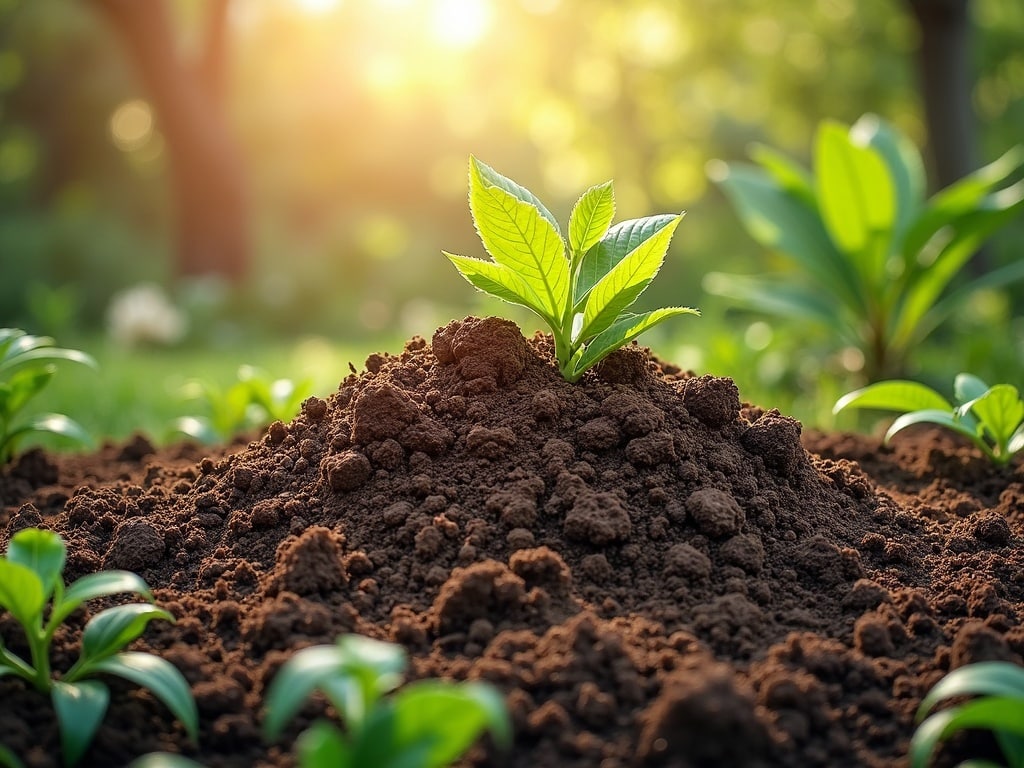
Unlocking Garden Gold: The Ultimate Guide to Using Compost as Mulch
Imagine walking through your garden, the soil dark and rich, teeming with life, and your plants vibrant and healthy. This isn't just a gardener's dream; it's the reality you can achieve by harnessing the power of compost as mulch. For centuries, gardeners have known the secret to thriving plants lies beneath the surface, in the soil. And using compost as mulch is one of the most effective ways to unlock this potential.
But what exactly is compost, and why is it so amazing as a mulch? This comprehensive guide will explore everything you need to know about using compost as mulch, from understanding its benefits and different types to applying it correctly and troubleshooting common issues. Get ready to transform your garden into a flourishing paradise!
What is Compost and Why is it So Beneficial?
At its heart, compost is decomposed organic matter. It's the end result of a natural recycling process where microorganisms break down materials like leaves, vegetable scraps, and coffee grounds into a dark, crumbly substance often referred to as black gold.
The magic of compost lies in its composition. It's packed with:
- Nutrients: Compost is a slow-release fertilizer, providing essential nutrients like nitrogen, phosphorus, and potassium that plants need to grow strong and healthy.
- Beneficial Microorganisms: These tiny organisms create a thriving soil ecosystem, improving nutrient availability and suppressing diseases.
- Humus: This stable organic matter improves soil structure, water retention, and aeration.
These components work together to create healthy soil, which in turn leads to healthy plants. But why use it as mulch?
Compost vs. Traditional Mulch: What's the Difference?
Traditional mulches, like wood chips or straw, are primarily used to suppress weeds, retain moisture, and regulate soil temperature. They're excellent for these purposes, but they don't offer the same nutritional benefits as compost.
Here's a breakdown of the key differences:
| Feature | Compost Mulch | Traditional Mulch (e.g., Wood Chips) |
|---|---|---|
| Nutrient Content | High in nutrients; acts as a slow-release fertilizer | Low in nutrients; may tie up nitrogen as it decomposes |
| Soil Improvement | Improves soil structure, water retention, and aeration | Primarily improves water retention and weed suppression |
| Weed Suppression | Effective, but may require a thicker layer | Highly effective at suppressing weeds |
| Decomposition Rate | Decomposes relatively quickly, enriching the soil | Decomposes slowly, providing longer-lasting coverage |
| Microbial Activity | Boosts beneficial microbial activity in the soil | May not significantly affect microbial activity |
As you can see, compost offers a wider range of benefits compared to traditional mulches. It's a soil amendment and a mulch all in one!
The Advantages of Using Compost as Mulch
Let's dive deeper into the specific advantages of using compost as mulch:
- Enriched Soil: Compost adds vital nutrients to the soil, feeding your plants and promoting healthy growth. Over time, it improves soil structure, making it easier for roots to penetrate and access water and nutrients.
- Water Retention: Compost acts like a sponge, holding onto water and releasing it slowly to the plants. This is especially beneficial in dry climates or during periods of drought. This also means you'll need to water less frequently, saving you time and resources.
- Weed Suppression: A thick layer of compost mulch smothers weeds by blocking sunlight and preventing them from germinating. This reduces the need for herbicides and hours spent weeding.
- Temperature Regulation: Compost insulates the soil, protecting plant roots from extreme temperature fluctuations. This is particularly important in areas with hot summers or cold winters .
- Disease Suppression: The beneficial microorganisms in compost can help suppress soilborne diseases by outcompeting harmful pathogens. This leads to healthier plants that are more resistant to disease.
- Erosion Control: Compost helps bind soil particles together, preventing erosion from wind and rain. This is especially important on slopes or in areas with exposed soil.
- Reduced Fertilizer Use: Because compost provides essential nutrients, you'll likely need to use less synthetic fertilizer, which can be harmful to the environment.
- Improved Drainage: While compost retains water, it also improves drainage in heavy clay soils. This prevents waterlogging and root rot.
- Beneficial for Earthworms: Earthworms are attracted to compost, and their activity further improves soil health by aerating the soil and breaking down organic matter.
- Environmentally Friendly: Using compost reduces landfill waste and promotes sustainable gardening practices.
Types of Compost Suitable for Mulching
Not all compost is created equal. The type of compost you use will depend on your plants' needs and the materials available to you. Here are some common types of compost suitable for mulching:
- Homemade Compost: This is compost you make yourself from kitchen scraps, yard waste, and other organic materials. It's a great way to recycle waste and create a valuable soil amendment. Ensure your homemade compost is properly cooked to kill off weed seeds and pathogens.
- Vermicompost (Worm Castings): This is compost produced by earthworms. It's incredibly rich in nutrients and beneficial microorganisms, making it an excellent soil amendment and mulch. It's often considered a superfood for plants.
- Mushroom Compost: This is a byproduct of mushroom farming. It's rich in nutrients and has a good structure for improving soil aeration. Be aware that it can be alkaline, so it may not be suitable for acid-loving plants.
- Composted Manure: This is compost made from animal manure. It's a good source of nitrogen and other nutrients, but it's important to make sure it's properly composted to kill off pathogens. Avoid using fresh manure as mulch, as it can burn plants.
- Commercial Compost: This is compost that you can buy from garden centers or nurseries. Look for compost that is certified organic and made from a variety of materials. Be sure to check the label for nutrient content and pH.
Choosing the Right Compost for Your Plants
The type of compost you choose will depend on the specific needs of your plants. For example:
- Vegetable Gardens: A well-balanced compost made from kitchen scraps and yard waste is a good choice for vegetable gardens. You can also supplement with vermicompost for an extra boost of nutrients.
- Flower Beds: A compost that is slightly acidic is good for most flowering plants. Consider using composted leaves or pine needles in addition to your regular compost.
- Acid-Loving Plants (e.g., Blueberries, Azaleas): Use compost that is specifically formulated for acid-loving plants, or amend your regular compost with peat moss or sulfur to lower the pH.
- Lawns: A thin layer of compost can be used as a top dressing for lawns to improve soil health and promote lush growth. Use a fine-textured compost and apply it evenly.
It's always a good idea to test your soil before applying compost to determine its nutrient content and pH. This will help you choose the right type of compost and avoid over-fertilizing.
How to Make Your Own Compost for Mulch
Making your own compost is a rewarding way to recycle waste and create a valuable soil amendment for your garden. Here's a basic guide to composting:
- Choose a Composting Method: There are several composting methods to choose from, including traditional composting, vermicomposting, and bokashi composting. Choose the method that best suits your needs and space.
- Gather Your Materials: You'll need a mix of green materials (e.g., kitchen scraps, grass clippings) and brown materials (e.g., leaves, shredded paper). Aim for a ratio of 2:1 or 3:1 brown to green.
- Layer the Materials: Layer the green and brown materials in your compost bin or pile. Moisten each layer as you go.
- Turn the Compost Regularly: Turning the compost helps to aerate it and speed up decomposition. Turn the compost every few days or once a week.
- Monitor Moisture Levels: The compost should be moist but not soggy. Add water if it's too dry, and add more brown materials if it's too wet.
- Let it Cook: The composting process can take anywhere from a few weeks to a few months, depending on the method and the materials used. The compost is ready when it's dark, crumbly, and has an earthy smell.
Applying Compost as Mulch: A Step-by-Step Guide
Now that you know all about compost and its benefits, let's get down to the practicalities of applying it as mulch:
- Prepare the Area: Remove any existing weeds or debris from the area you want to mulch.
- Water the Soil: Water the soil thoroughly before applying compost. This helps to retain moisture and encourages root growth.
- Apply the Compost: Spread a layer of compost evenly around the base of your plants, being careful not to pile it up against the stems or trunks.
- Thickness: Aim for a layer of compost that is 2-4 inches thick. A thinner layer may not provide adequate weed suppression or moisture retention.
- Distance from Stems: Leave a small gap (1-2 inches) between the compost and the stems or trunks of your plants to prevent rot.
- Water Again: Water the compost mulch after applying it to help settle it and encourage the release of nutrients.
Best Times of Year to Apply Compost Mulch
The best time to apply compost mulch depends on your climate and the specific needs of your plants:
- Spring: Applying compost mulch in the spring helps to warm the soil, suppress weeds, and provide nutrients for the growing season.
- Summer: Compost mulch can help to retain moisture and protect plant roots from the heat during the summer months.
- Fall: Applying compost mulch in the fall helps to insulate the soil and protect plant roots from the cold winter temperatures. It also provides nutrients that will be available in the spring.
In general, it's best to avoid applying compost mulch during periods of heavy rain, as this can lead to nutrient runoff.
Troubleshooting Common Issues When Using Compost as Mulch
While using compost as mulch is generally a straightforward process, you may encounter some common issues. Here's how to troubleshoot them:
- Weeds Still Growing: If weeds are still growing through your compost mulch, it may not be thick enough. Add another layer of compost to smother the weeds. Ensure the compost is properly broken down; large clumps can provide space for weeds to grow.
- Foul Odor: A foul odor from your compost mulch usually indicates that it's too wet and anaerobic (lacking oxygen). Turn the compost to aerate it and add more brown materials to absorb excess moisture. Ensure good drainage in the area where you're applying the compost.
- Fungus or Mold Growth: Fungus or mold growth on your compost mulch is usually harmless and indicates that the compost is actively decomposing. However, if you're concerned, you can turn the compost to aerate it and reduce moisture levels.
- Attracting Pests: Compost mulch can sometimes attract pests like slugs or snails. You can control these pests by using traps, handpicking them, or applying diatomaceous earth. Avoid overwatering, as this creates a favorable environment for slugs and snails.
- Nutrient Imbalance: If your plants are showing signs of nutrient deficiency, it may be due to an imbalance in the compost. Test your soil to determine the nutrient levels and amend accordingly. Consider adding other soil amendments, such as bone meal or blood meal, to address specific deficiencies.
Compost Tea: An Extra Boost for Your Plants
In addition to using compost as mulch, you can also make compost tea to give your plants an extra boost of nutrients and beneficial microorganisms. Compost tea is a liquid extract made by steeping compost in water.
Here's how to make compost tea:
- Choose a Container: Use a large bucket or container to make your compost tea.
- Add Compost: Fill a mesh bag or pantyhose with compost and place it in the container.
- Add Water: Fill the container with water, leaving some space at the top.
- Aerate: Aerate the compost tea by using an aquarium pump or stirring it regularly.
- Steep: Let the compost tea steep for 24-48 hours.
- Dilute: Dilute the compost tea with water before applying it to your plants. A ratio of 1:10 or 1:20 is usually recommended.
- Apply: Apply the compost tea to the leaves and soil of your plants.
Compost tea is best used fresh, as the beneficial microorganisms will die off over time. It's a great way to give your plants a quick boost of nutrients and help them resist disease.
Alternatives to Pure Compost Mulch
While compost is an excellent mulch on its own, you can also combine it with other materials to create a custom mulch blend. Here are some alternatives to pure compost mulch:
- Compost and Wood Chips: Mix compost with wood chips to create a mulch that provides both nutrients and weed suppression. The wood chips will help to slow down the decomposition of the compost and provide longer-lasting coverage.
- Compost and Straw: Mix compost with straw to create a mulch that is lightweight and easy to apply. Straw is also a good insulator, making it ideal for protecting plants from cold temperatures.
- Compost and Shredded Leaves: Mix compost with shredded leaves to create a mulch that is rich in organic matter and beneficial microorganisms. Shredded leaves also help to improve soil structure and water retention.
Experiment with different combinations to find the mulch blend that works best for your plants and your garden.
Frequently Asked Questions (FAQs) About Using Compost as Mulch
Q: Can I use too much compost as mulch?
A: Yes, it is possible to use too much compost. Applying an excessively thick layer of compost can smother plant roots and create an anaerobic environment. Stick to a layer of 2-4 inches. Also, be mindful of the type of compost you're using; some, like very potent vermicompost, should be used more sparingly.
Q: Will compost mulch attract pests?
A: Compost mulch can attract some pests, such as slugs and snails. However, you can control these pests by using traps, handpicking them, or applying diatomaceous earth. Proper composting techniques can also help to reduce the risk of attracting pests.
Q: Can I use compost mulch on all types of plants?
A: In general, yes. However, it's important to choose the right type of compost for your plants. For acid-loving plants, use a compost that is specifically formulated for them or amend your regular compost to lower the pH.
Q: How often should I reapply compost mulch?
A: The frequency of reapplication depends on the decomposition rate of the compost and the needs of your plants. In general, you should reapply compost mulch every 6-12 months. You may need to reapply more often in areas with heavy rainfall or where the compost decomposes quickly.
Q: Can I use compost mulch in containers?
A: Yes, compost mulch can be used in containers to improve soil health and retain moisture. However, be careful not to over-mulch, as this can lead to waterlogging.
Conclusion: Embrace the Power of Compost Mulch
Using compost as mulch is a simple yet powerful way to improve soil health, suppress weeds, and nourish your plants. By understanding the benefits of compost, choosing the right type for your plants, and applying it correctly, you can transform your garden into a thriving paradise. So, embrace the power of compost mulch and unlock the golden potential of your garden!