
Unlock the Bounty: A Comprehensive Guide to Raised Bed Vegetable Gardening
Imagine stepping out your back door and into a vibrant tapestry of greens, reds, and yellows – your own thriving vegetable garden. Forget back-breaking labor and weed-choked rows. Instead, picture a neatly contained, easily managed space brimming with fresh, delicious produce. This dream becomes reality with raised bed vegetable gardening.
Raised beds offer a world of advantages, from improved soil drainage to enhanced accessibility, making them a fantastic option for both novice and experienced gardeners. Whether you have a sprawling backyard or a small urban patio, raised beds can transform any space into a productive edible landscape. This comprehensive guide will walk you through every step of the process, ensuring you cultivate a flourishing raised bed vegetable garden you'll be proud of.
Why Choose Raised Bed Vegetable Gardening?
Forget tilling heavy clay soil or battling relentless weeds. Raised bed gardening offers a multitude of benefits that make growing your own food easier and more rewarding.
- Improved Soil Drainage: Raised beds excel in areas with poor drainage. The contained soil allows excess water to drain freely, preventing root rot and creating a healthier environment for your plants.
- Enhanced Soil Quality: You have complete control over the soil composition in your raised beds. You can create the perfect blend of nutrients and organic matter, tailor-made for the specific needs of your vegetables.
- Reduced Weeding: The defined edges of raised beds act as a barrier against invasive weeds. Plus, the concentrated growing area makes it easier to spot and remove any unwanted plants.
- Improved Pest Control: Raised beds elevate your plants, making them less susceptible to soil-borne pests. Adding mesh or row covers is often simpler with raised beds.
- Increased Accessibility: Raised beds are a boon for gardeners with mobility issues. They reduce the need for bending and kneeling, making gardening more comfortable and enjoyable for everyone.
- Extended Growing Season: The soil in raised beds warms up faster in the spring and retains heat longer in the fall, allowing you to extend your growing season.
- Space Efficiency: Raised beds are ideal for small spaces, allowing you to maximize your yield in a limited area.
Planning Your Raised Bed Garden: Essential Considerations
Before diving into construction, careful planning is crucial for a successful raised bed garden. Consider these key factors:
Location, Location, Location
*Sunlight is kingwhen it comes to vegetable gardening. Most vegetables require at least 6-8 hours of direct sunlight per day. Choose a location that receives ample sunlight throughout the growing season. Observe the area throughout the day to track sun patterns before committing.
Easy access to water is another vital consideration. Hauling water long distances can be tedious. A nearby water source will make watering your garden much more convenient.
Size and Shape: Finding the Right Fit
The size and shape of your raised bed will depend on the available space, your personal preferences, and the types of vegetables you plan to grow.
Width: A width of 3-4 feet is generally recommended. This allows you to easily reach the center of the bed from either side without stepping on the soil.
Length: The length is more flexible, but keep in mind that longer beds can be more challenging to manage. Aim for a length that you can comfortably work around.
Height: A height of 6-12 inches is sufficient for most vegetables. Taller beds may be necessary for individuals with accessibility concerns or for growing deep-rooted crops like potatoes and carrots.
Consider the overall layout of your garden. Leave enough space between beds for comfortable walking and working.
Choosing Your Materials: Durability and Safety
The materials you use for your raised bed construction will impact its durability, cost, and aesthetic appeal.
Wood: Untreated cedar and redwood are naturally rot-resistant and excellent choices. Avoid pressure-treated wood manufactured before 2003, as it may contain harmful chemicals. [externalLink insert] Other wood options include fir, pine (consider adding a liner), or reclaimed lumber.
Concrete Blocks or Bricks: These are durable and long-lasting options that offer a more formal look.
Metal: Corrugated metal is a modern, stylish option that is also very durable. Ensure the metal is food-grade or coated to prevent leaching of harmful substances.
Recycled Materials: Consider using recycled materials like reclaimed wood, old tires (with caution), or plastic lumber to create eco-friendly raised beds.
Building Your Raised Bed: A Step-by-Step Guide
Once you've finalized your plan, it's time to get building! This step-by-step guide will walk you through the basic construction process for a wooden raised bed. Adapt the instructions as needed based on your chosen materials.
1. Gather Your Materials: This includes lumber, screws or nails, landscape fabric (optional), a saw, a drill, a level, and a measuring tape.
2. Cut the Wood: Cut the lumber to the desired lengths for the sides, ends, and corner supports of your raised bed.
3. Assemble the Frame: Attach the sides and ends together using screws or nails to create a rectangular frame. Use corner supports for added stability.
4. Level the Ground: Ensure the ground where you'll be placing the raised bed is relatively level. This will prevent uneven soil distribution and water drainage.
5. Place the Frame: Position the assembled frame in your chosen location.
6. Line the Bed (Optional): Line the inside of the frame with landscape fabric to help prevent weeds from growing up from the ground below and to retain moisture.
7. Secure the Frame: If desired, you can anchor the frame to the ground using stakes or rebar.
The Heart of Your Garden: Soil Selection and Preparation
The soil in your raised bed is the foundation of your garden's success. Unlike in-ground gardening, you get to create the *perfectsoil blend from scratch.
The Ideal Soil Mix: A Balanced Approach
A good soil mix for raised beds typically consists of equal parts:
Topsoil: Provides a base for plant growth.
Compost: Adds essential nutrients, improves drainage, and enhances water retention. Use high-quality, fully decomposed compost.
Peat Moss or Coconut Coir: Retains moisture and improves soil structure. Coconut coir is a more sustainable alternative to peat moss.
You can also purchase pre-mixed raised bed soil from garden centers. Look for a blend specifically formulated for vegetable gardening.
Filling Your Raised Bed: Layering for Success
When filling your raised bed, consider layering the soil to promote healthy plant growth.
1. Weed Barrier (Optional): Place a layer of cardboard or newspaper at the bottom of the bed to suppress weeds.
2. Coarse Material (Optional): Add a layer of coarse material like wood chips or gravel to improve drainage, especially if you have heavy clay soil underneath.
3. Soil Mix: Fill the remainder of the bed with your chosen soil mix.
Soil Testing: Know Before You Grow
Before planting, it's a good idea to test your soil to determine its pH and nutrient levels. You can purchase a soil testing kit from a garden center or send a sample to a soil testing laboratory. The results will help you determine if you need to amend the soil with lime, fertilizer, or other amendments.
Choosing Your Crops: Planting for Success
Select vegetables that thrive in your climate and that you enjoy eating! Consider these factors when choosing your crops:
Climate: Choose vegetables that are well-suited to your local climate and growing season.
Sunlight: Select vegetables that match the amount of sunlight your raised bed receives. Leafy greens and herbs can tolerate more shade than fruiting vegetables like tomatoes and peppers.
Space: Consider the mature size of the plants and choose varieties that will fit comfortably in your raised bed.
Personal Preferences: Grow vegetables that you and your family enjoy eating!
Popular Vegetables for Raised Beds
Here are some popular and easy-to-grow vegetables for raised beds:
Lettuce and Salad Greens: These grow quickly and can be harvested continuously.
Tomatoes: A classic garden favorite. Choose determinate varieties for smaller spaces.
Peppers: Thrive in warm weather and produce abundant harvests.
Herbs: Add flavor and fragrance to your garden. Mint, basil, and oregano are easy to grow in raised beds.
Radishes: A fast-growing crop that can be harvested in as little as 30 days.
Carrots: Choose shorter varieties that are well-suited to raised beds.
Spinach: A nutritious leafy green that prefers cool weather.
Zucchini: A prolific producer that can provide you with an abundance of summer squash.
Companion Planting: Nature's Helpers
Companion planting involves growing different plants together that benefit each other. Some plants repel pests, attract beneficial insects, or improve soil health. Research companion planting combinations to maximize the productivity of your raised bed garden. For example, basil repels tomato hornworms, and marigolds deter nematodes.
Planting Your Garden: Getting Started
Once you've chosen your crops, it's time to get planting!
Starting Seeds vs. Transplants
You can start vegetables from seeds or purchase transplants from a garden center. Starting from seeds is more economical, but it requires more time and effort. Transplants provide a head start and are ideal for beginners.
Planting Time: Following the Seasons
The best time to plant vegetables depends on your climate and the specific crop. Consult a local planting calendar to determine the optimal planting dates for your area. Generally, cool-season crops like lettuce and spinach can be planted in early spring or fall, while warm-season crops like tomatoes and peppers should be planted after the last frost.
Planting Techniques: Giving Your Plants the Best Start
Spacing: Follow the recommended spacing guidelines for each vegetable to ensure proper air circulation and sunlight penetration. Overcrowding can lead to disease and reduced yields.
Depth: Plant seeds and transplants at the correct depth, as indicated on the seed packet or plant label.
Watering: Water thoroughly after planting to settle the soil and provide moisture to the roots.
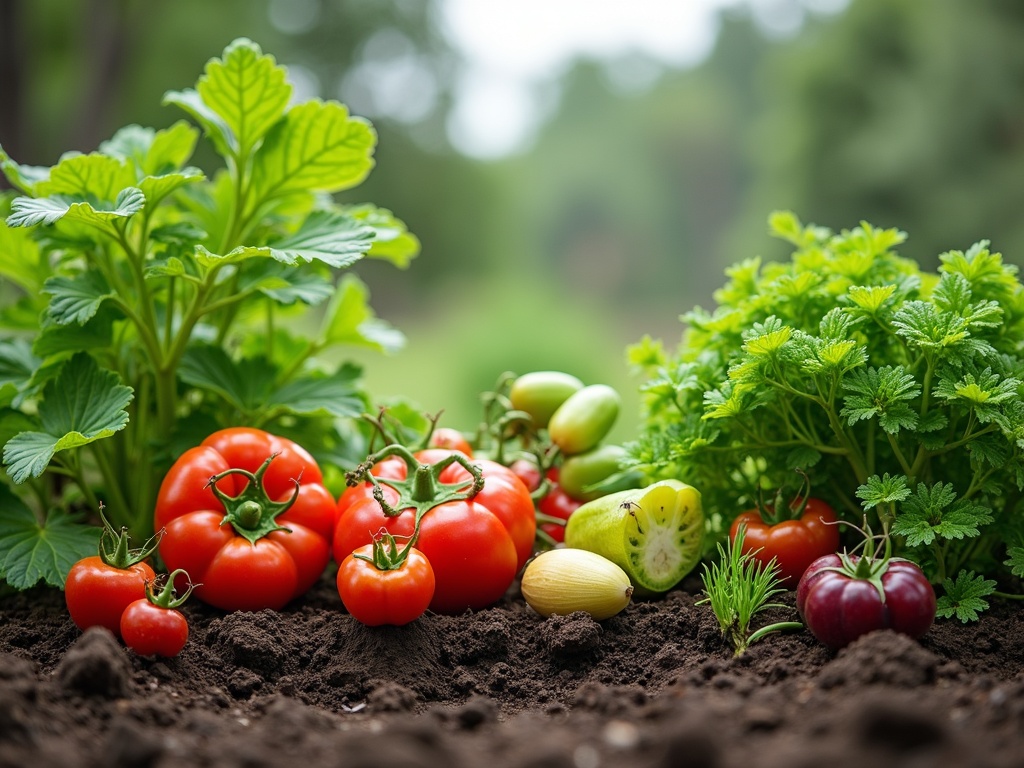
Watering, Weeding, and Feeding: Maintaining Your Garden
Regular maintenance is essential to keep your raised bed garden thriving.
Watering: Providing Adequate Moisture
Water your plants deeply and regularly, especially during hot, dry weather. The frequency of watering will depend on the type of soil, the climate, and the specific vegetables you are growing. A good rule of thumb is to water when the top inch of soil feels dry to the touch.
Consider using a soaker hose or drip irrigation system to deliver water directly to the roots of your plants, minimizing water loss and preventing the spread of disease.
Weeding: Keeping the Competition at Bay
Regularly remove weeds from your raised bed garden to prevent them from competing with your vegetables for nutrients, water, and sunlight. Hand-pulling weeds is the most effective method, especially when they are small. Mulching around your plants can also help to suppress weed growth.
Fertilizing: Providing Essential Nutrients
Vegetables require adequate nutrients to grow and produce abundant harvests. Amend your soil with compost or other organic matter to provide a slow-release source of nutrients. You can also supplement with organic fertilizers, such as fish emulsion or seaweed extract, as needed. Follow the instructions on the fertilizer label carefully to avoid over-fertilizing.
Pest and Disease Control: Protecting Your Harvest
Protecting your plants from pests and diseases is crucial for a successful harvest.
Integrated Pest Management (IPM): A Holistic Approach
IPM is a holistic approach to pest and disease control that emphasizes prevention and the use of least-toxic methods. IPM strategies include:
Choosing disease-resistant varieties: Select vegetable varieties that are known to be resistant to common diseases in your area.
Maintaining healthy soil: Healthy plants are more resistant to pests and diseases.
Practicing good sanitation: Remove diseased or infested plants promptly to prevent the spread of problems.
Using physical barriers: Cover your plants with row covers or netting to protect them from insect pests.
Introducing beneficial insects: Attract beneficial insects like ladybugs and lacewings to your garden to prey on harmful pests.
Using organic pesticides: If necessary, use organic pesticides like neem oil or insecticidal soap to control pests.
Common Pests and Diseases
Be aware of common pests and diseases that affect vegetables in your area. Early detection and prompt treatment are essential to preventing serious problems.
Extending the Growing Season: Gardening Year-Round
With a little planning and effort, you can extend your growing season and enjoy fresh vegetables from your raised bed garden for a longer period.
Cold Frames and Hoop Houses: Providing Protection
Cold frames and hoop houses are simple structures that provide protection from frost and cold temperatures. They can be used to start seeds earlier in the spring or to extend the harvest season in the fall.
Succession Planting: Staggering Your Harvest
Succession planting involves planting crops at intervals to ensure a continuous harvest throughout the growing season. Sow seeds or plant transplants every few weeks to stagger your harvest.
Overwintering Crops: Harvesting Through the Winter
Some vegetables, like kale, spinach, and chard, can tolerate cold temperatures and can be overwintered in your raised bed garden with minimal protection.
Harvesting and Enjoying Your Bounty
Harvesting your own vegetables is one of the most rewarding aspects of raised bed gardening.
Knowing When to Harvest: Ripe and Ready
Each vegetable has its own unique indicators of ripeness. Consult a gardening guide or online resource to learn how to tell when your vegetables are ready to harvest.
Harvesting Techniques: Gentle and Efficient
Use sharp scissors or a knife to harvest vegetables carefully, avoiding damage to the plant. Handle your harvest gently to prevent bruising or spoilage.
Storing Your Harvest: Fresh and Flavorful
Proper storage is essential to maintaining the freshness and flavor of your harvested vegetables. Store vegetables in a cool, dark, and humid place. Some vegetables, like tomatoes and peppers, can be stored at room temperature, while others, like lettuce and spinach, should be refrigerated.
Troubleshooting Common Problems
Even with careful planning and maintenance, you may encounter some problems in your raised bed garden. Here are some common issues and how to address them:
Poor Drainage: If your soil is not draining well, amend it with more compost and peat moss or coconut coir.
Nutrient Deficiencies: If your plants are showing signs of nutrient deficiencies, fertilize them with an organic fertilizer.
Pest Infestations: Control pests using IPM strategies.
Diseases: Prevent diseases by choosing disease-resistant varieties and practicing good sanitation.
Weed Problems: Regularly remove weeds and mulch around your plants.
Raised Bed Gardening: A Rewarding Experience
Raised bed vegetable gardening is a rewarding experience that can provide you with fresh, delicious produce, improve your physical and mental health, and connect you with nature. With careful planning, proper maintenance, and a little patience, you can create a thriving raised bed garden that you'll enjoy for years to come. So, get started today and experience the joy of growing your own food!