
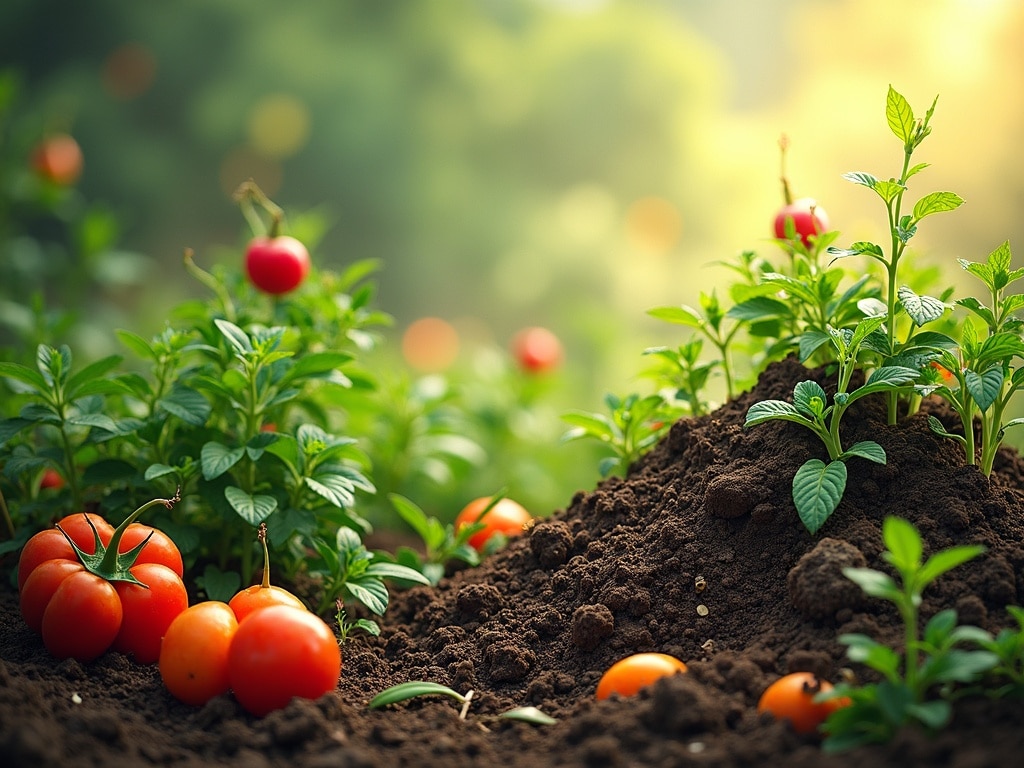
Unlock the Black Gold: A Complete Guide to Composting Kitchen Scraps
Imagine transforming your daily kitchen waste – those coffee grounds, wilted lettuce leaves, and apple cores – into a rich, life-giving elixir for your garden. Composting kitchen scraps isn't just about reducing landfill waste; it's about closing the nutrient loop, enriching your soil, and connecting with the natural cycles of growth and decay. This comprehensive guide will take you from composting novice to kitchen-scrap-recycling pro, empowering you to create black gold for your plants.
Why Compost Kitchen Scraps? The Environmental and Personal Benefits
Beyond the satisfaction of diverting waste, composting kitchen scraps offers a multitude of benefits, both for the environment and for your own well-being.
Reducing Landfill Waste and Methane Emissions
Landfills are overflowing with organic waste, and as this waste decomposes in an anaerobic (oxygen-deprived) environment, it produces methane, a greenhouse gas far more potent than carbon dioxide. By composting your kitchen scraps, you significantly reduce the amount of organic matter sent to landfills, thus lessening methane emissions.
Enriching Your Garden Soil: A Natural Fertilizer
Compost is an incredibly valuable soil amendment, teeming with beneficial microorganisms and essential nutrients. It improves soil structure, water retention, and aeration, creating a thriving environment for plants. Unlike synthetic fertilizers, compost releases nutrients slowly and steadily, nourishing plants over time and reducing the risk of nutrient runoff.
Reducing Your Carbon Footprint
The transportation of food, both to your home and then as waste to landfills, contributes to carbon emissions. Composting at home reduces the need for long-distance transportation of waste and minimizes the demand for manufactured fertilizers, which require significant energy to produce.
Saving Money on Fertilizer and Soil Amendments
Why buy expensive fertilizers and soil conditioners when you can create your own for free? Composting kitchen scraps provides a sustainable and cost-effective way to nourish your garden, saving you money and reducing your reliance on commercially produced products.
Connecting with Nature and Promoting Sustainability
Composting is a tangible way to connect with the natural world and participate in a sustainable lifestyle. It allows you to observe the fascinating process of decomposition and appreciate the interconnectedness of living organisms.
What Kitchen Scraps Can You Compost? A Comprehensive List
Not all kitchen scraps are created equal when it comes to composting. Understanding what to include and what to avoid is crucial for creating high-quality compost and avoiding unpleasant odors or pest problems.
The Greens: Nitrogen-Rich Materials
Greens are nitrogen-rich materials that provide the energy source for the microorganisms that break down organic matter. Common green materials include:
Fruit and vegetable scraps: Apple cores, banana peels, carrot tops, lettuce leaves, melon rinds, potato peels, etc.
Coffee grounds and tea bags: These are excellent sources of nitrogen and also add valuable trace minerals to the compost. Remember to remove any staples or plastic tags from tea bags.
Fresh grass clippings: Use these sparingly, as they can mat down and become anaerobic if added in large quantities.
Plant trimmings: Non-diseased plant material from your garden or houseplants.
The Browns: Carbon-Rich Materials
Browns are carbon-rich materials that provide the bulk and structure for your compost pile. They also help to absorb excess moisture and prevent odors. Common brown materials include:
Dried leaves: An excellent and readily available source of carbon. Shredding the leaves before adding them to the compost pile will speed up decomposition.
Shredded paper and cardboard: Newspaper, cardboard boxes, and paper bags can all be composted. Avoid glossy or heavily printed paper, as it may contain harmful chemicals.
Straw and hay: These materials provide good aeration and structure to the compost pile.
Wood chips and sawdust: Use these sparingly, as they decompose slowly and can tie up nitrogen in the soil if used in excess.
Dryer lint: From natural fibers only (cotton, linen, etc.).
Materials to Avoid Composting
Certain kitchen scraps and other materials should be avoided in your compost pile, as they can attract pests, create unpleasant odors, or introduce harmful pathogens. These include:
Meat, fish, and poultry scraps: These materials decompose slowly and can attract rodents and flies.
Dairy products: Milk, cheese, yogurt, and other dairy products can also attract pests and create unpleasant odors.
Oils and fats: These materials can slow down decomposition and attract pests.
Cooked food: Especially food with sauces or dressings, as it can also attract pests.
Diseased plants: Plants infected with diseases or pests can contaminate the compost and spread the problem to your garden.
Pet waste: Cat and dog feces can contain harmful pathogens that can contaminate the compost and pose a health risk.
Coal or charcoal ash: These materials can contain heavy metals that can be harmful to plants.
Choosing the Right Composting Method for Kitchen Scraps
There are several different methods for composting kitchen scraps, each with its own advantages and disadvantages. The best method for you will depend on your available space, budget, and level of commitment.
Outdoor Composting: Traditional and Effective
Outdoor composting involves creating a compost pile or using a compost bin in your backyard. This method is ideal for those with ample outdoor space and a desire to process a large volume of kitchen scraps and yard waste.
Compost piles: Simple and inexpensive, compost piles can be created by simply piling up organic materials in a designated area of your yard. However, they can be less efficient at retaining heat and moisture, and may be more susceptible to pests.
Compost bins: Compost bins provide a more contained and controlled environment for composting. They come in a variety of shapes, sizes, and materials, from simple plastic bins to elaborate rotating tumblers. Compost bins help to retain heat and moisture, reduce odors, and deter pests.
Indoor Composting: Vermicomposting (Worm Composting)
Vermicomposting, or worm composting, uses earthworms to break down kitchen scraps into nutrient-rich compost. This method is ideal for those with limited outdoor space, as it can be done indoors in a relatively small container.
Worm bins: Worm bins are typically made of plastic and have multiple tiers or trays. Red wiggler worms (Eisenia fetida) are added to the bin, where they consume kitchen scraps and produce castings (worm poop), which is a valuable fertilizer.
Benefits of vermicomposting: Vermicomposting is a relatively odorless and mess-free method of composting. Worm castings are also a highly concentrated source of nutrients and beneficial microorganisms.
Bokashi Composting: Fermentation for All Scraps
Bokashi composting is an anaerobic (oxygen-free) fermentation process that uses a special bran inoculated with beneficial microorganisms to break down kitchen scraps. This method is unique in that it can accept all types of food waste, including meat, dairy, and oily foods.
Bokashi buckets: Bokashi composting is typically done in a sealed bucket with a spigot at the bottom to drain off excess liquid. The kitchen scraps are layered with the bokashi bran and pressed down to remove air.
Benefits of bokashi composting: Bokashi composting can handle all types of food waste, reduces odors, and produces a liquid fertilizer (bokashi tea) that can be used to nourish plants. However, the fermented bokashi material needs to be further composted in a traditional compost pile or buried in the ground before it can be used as a soil amendment.
Setting Up Your Composting System: A Step-by-Step Guide
Regardless of the composting method you choose, there are some basic principles to follow to ensure success.
Choosing a Location
Outdoor composting: Choose a location that is convenient, well-drained, and partially shaded. Avoid areas that are prone to flooding or have poor air circulation.
Vermicomposting: Choose a location that is cool, dark, and well-ventilated. Avoid areas that are exposed to direct sunlight or extreme temperatures.
Bokashi composting: Choose a location that is convenient and easily accessible. The bokashi bucket can be kept indoors or outdoors, but should be protected from extreme temperatures.
Gathering Your Supplies
Compost bin or pile: Choose a compost bin that is appropriate for your needs and budget. If you are building a compost pile, you will need materials such as wood pallets, chicken wire, or concrete blocks to contain the pile.
Worm bin: Purchase a worm bin designed for vermicomposting. You will also need red wiggler worms.
Bokashi bucket: Purchase a bokashi bucket with a spigot. You will also need bokashi bran.
Tools: You will need a pitchfork or shovel for turning the compost, a watering can or hose for adding moisture, and a thermometer for monitoring the temperature of the compost pile.
Building Your Compost Pile: Layering Greens and Browns
The key to successful composting is to maintain a proper balance of greens (nitrogen-rich materials) and browns (carbon-rich materials). A good rule of thumb is to aim for a ratio of 2:1 or 3:1 browns to greens.
Layering: Start with a layer of brown materials at the bottom of the compost bin or pile. Then, add a layer of green materials, followed by another layer of brown materials. Continue layering in this way, making sure to alternate between greens and browns.
Mixing: After layering, mix the materials together thoroughly. This will help to ensure that the microorganisms have access to both nitrogen and carbon.
Moisture: Keep the compost pile moist, but not soggy. The compost should feel like a wrung-out sponge. Add water as needed to maintain the proper moisture level.
Maintaining Your Compost Pile: Turning, Watering, and Monitoring
Maintaining a healthy compost pile requires regular attention and care.
Turning the Compost
Turning the compost pile helps to aerate the materials and speed up decomposition. Turn the compost every few days or once a week, depending on the size and activity of the pile.
Watering the Compost
The compost pile should be kept moist, but not soggy. Add water as needed to maintain the proper moisture level.
Monitoring the Temperature
The temperature of the compost pile is an indicator of its activity. A healthy compost pile will heat up to temperatures between 130°F and 160°F, which is ideal for killing weed seeds and pathogens. Use a thermometer to monitor the temperature of the compost pile.
Troubleshooting Common Composting Problems
Smelly compost: A smelly compost pile is usually caused by a lack of oxygen or an excess of moisture. Turn the compost more frequently and add more brown materials to absorb excess moisture.
Slow decomposition: Slow decomposition can be caused by a lack of nitrogen, a lack of moisture, or a lack of aeration. Add more green materials, water the compost more frequently, and turn the compost more regularly.
Pests: Pests can be attracted to the compost pile if it contains meat, dairy, or oily foods. Avoid composting these materials and cover the compost pile with a layer of brown materials to deter pests.
Harvesting and Using Your Compost: Nourishing Your Garden
After several weeks or months, your kitchen scraps will have transformed into rich, dark compost, ready to nourish your garden.
Determining When the Compost is Ready
The compost is ready to use when it is dark brown in color, crumbly in texture, and has a sweet, earthy smell. You should no longer be able to recognize the original ingredients.
Harvesting the Compost
Outdoor composting: Use a pitchfork or shovel to remove the finished compost from the bottom of the compost pile or bin.
Vermicomposting: There are several methods for harvesting worm castings, including the dump and sort method and the migration method.
Bokashi composting: The fermented bokashi material needs to be further composted in a traditional compost pile or buried in the ground for several weeks before it can be used as a soil amendment.
Using the Compost in Your Garden
Compost can be used in a variety of ways to nourish your garden:
Soil amendment: Mix compost into the soil before planting to improve its structure, water retention, and nutrient content.
Mulch: Apply a layer of compost around plants to suppress weeds, retain moisture, and regulate soil temperature.
Potting mix: Use compost as an ingredient in your homemade potting mix.
Compost tea: Steep compost in water to create a nutrient-rich liquid fertilizer that can be used to water plants.
Advanced Composting Techniques: Taking Your Skills to the Next Level
Once you've mastered the basics of composting kitchen scraps, you can explore some advanced techniques to further enhance your composting skills.
Hot Composting: Speeding Up the Decomposition Process
Hot composting involves maintaining a high temperature (130°F to 160°F) in the compost pile to kill weed seeds and pathogens and speed up the decomposition process. This requires careful monitoring of the temperature, moisture, and aeration of the compost pile.
Sheet Composting (Lasagna Gardening): Building Soil in Place
Sheet composting, also known as lasagna gardening, involves layering organic materials directly on the soil surface to create a rich, fertile growing bed. This method is ideal for converting lawns or weedy areas into gardens.
Composting with Animals: Chickens, Ducks, and Worms
Some gardeners use animals, such as chickens, ducks, or worms, to help with the composting process. Chickens and ducks can be allowed to scratch through the compost pile, turning the materials and adding their manure. Worms can be added to the compost pile to break down organic matter and produce valuable castings.
Common Mistakes to Avoid When Composting Kitchen Scraps
Even experienced composters can make mistakes. Here are some common pitfalls to avoid:
Adding too much of one type of material: Maintain a proper balance of greens and browns.
Not turning the compost frequently enough: Turn the compost regularly to aerate the materials and speed up decomposition.
Not watering the compost properly: Keep the compost moist, but not soggy.
Composting materials that should be avoided: Avoid composting meat, dairy, oily foods, diseased plants, and pet waste.
Giving up too soon: Composting takes time and patience. Don't get discouraged if your compost pile doesn't transform overnight.
Composting Kitchen Scraps: A Sustainable Solution for a Healthier Planet
Composting kitchen scraps is a simple yet powerful way to reduce waste, enrich your soil, and connect with the natural world. By following the tips and techniques outlined in this guide, you can transform your kitchen waste into valuable black gold for your garden and contribute to a more sustainable future. So, start composting today and unlock the potential of your kitchen scraps!