

Unlock Flavor and Fragrance: A Guide to Growing Annual Herbs for Your Garden
Imagine stepping into your garden, the air alive with the scents of basil, dill, and cilantro. A quick snip here, a pinch there, and your culinary creations are instantly elevated. This isn't a dream – it's the reality of growing your own annual herbs. Unlike their perennial cousins that return year after year, annual herbs complete their life cycle in a single season, offering a burst of flavor and fragrance before setting seed and fading away. But don't let their fleeting nature deter you. Annual herbs are incredibly rewarding to grow, providing a continuous supply of fresh ingredients and vibrant greenery throughout the warmer months.
Why Choose Annual Herbs? The Benefits of Seasonal Flavor
Before diving into the specifics, let's explore why annual herbs deserve a spot in your garden. They offer several distinct advantages:
**Fast Growth and Quick Harvests:Annual herbs are known for their rapid growth. You can often start harvesting leaves within weeks of planting, providing a continuous supply of fresh herbs throughout the growing season.
**Intense Flavors:Many annual herbs boast more intense and nuanced flavors compared to their dried counterparts. Freshly picked basil, for example, has a vibrant, almost peppery taste that's simply unmatched.
**Easy to Grow:Most annual herbs are relatively easy to grow, even for beginners. They thrive in containers or garden beds and require minimal maintenance.
**Versatility:Annual herbs are incredibly versatile, enhancing a wide range of dishes, from salads and sauces to grilled meats and baked goods.
**Pest and Disease Resistance:Compared to some perennial herbs, annuals often exhibit better resistance to pests and diseases, minimizing the need for chemical interventions.
**Successive Planting: The short lifespan of annuals allows for successive planting. This means you can sow new seeds every few weeks to ensure a continuous harvest throughout the season, even as older plants begin to fade.
**Experimentation: Because they only last a season, annuals are perfect for experimenting with new flavors and varieties without a long-term commitment. Try a different type of basil each year, or explore exotic cilantro cultivars.
**Space-Saving: Many annual herbs stay relatively compact, making them ideal for small gardens, balconies, or even windowsills.
Planning Your Annual Herb Garden: Sun, Soil, and Location
Successful herb gardening starts with careful planning. Consider these key factors before planting:
**Sunlight:Most annual herbs need at least 6 hours of direct sunlight per day. Choose a location that receives ample sunlight throughout the growing season. Some herbs, like parsley and cilantro, can tolerate partial shade, especially in hotter climates.
**Soil: Well-draining soil is essential. Annual herbs don't like soggy roots. Amend heavy clay soils with compost and other organic matter to improve drainage and aeration. A slightly acidic to neutral pH (around 6.0 to 7.0) is ideal for most herbs.
**Location:Consider the proximity to your kitchen. Planting herbs near your back door or in containers on your patio makes it easy to grab them when you're cooking. Also, think about the mature size of each herb and space them accordingly to prevent overcrowding.
**Water: While herbs don't like to be waterlogged, consistent moisture is important, especially during hot weather. Water deeply when the top inch of soil feels dry. Container-grown herbs tend to dry out more quickly than those in the ground.
**Climate: Consider your local climate and growing season. Some annual herbs, like basil, are sensitive to frost and should be planted after the last frost date. Others, like cilantro, prefer cooler temperatures and may bolt (go to seed) quickly in hot weather. Check your local extension service for specific planting dates and recommendations.
Top Annual Herbs to Grow: A Flavorful Selection
Here's a selection of popular and rewarding annual herbs to grow in your garden:
**Basil (Ocimum basilicum):The king of annual herbs! Basil is a must-have for any herb garden. From the classic Genovese basil to the more exotic Thai and lemon basils, there's a variety to suit every palate. Use it in pesto, sauces, salads, and countless other dishes.
**Cilantro (Coriandrum sativum): Also known as coriander (the seeds), cilantro is a polarizing herb – you either love it or hate it! Its bright, citrusy flavor adds a refreshing touch to Mexican, Asian, and Middle Eastern cuisines. Be aware that cilantro tends to bolt quickly in hot weather. Successive planting is key to a continuous harvest.
**Dill (Anethum graveolens): With its feathery foliage and delicate anise-like flavor, dill is a versatile herb for pickling, flavoring fish, and adding a touch of freshness to salads and sauces. Both the leaves and seeds are edible.
**Parsley (Petroselinum crispum):While often treated as a biennial, parsley is typically grown as an annual in most gardens. Its clean, slightly peppery flavor makes it a staple in soups, stews, salads, and as a garnish. There are two main types: curly parsley and flat-leaf (Italian) parsley. Flat-leaf parsley has a more robust flavor.
**Summer Savory (Satureja hortensis): This often-overlooked herb has a pungent, peppery flavor that's reminiscent of thyme and marjoram. It's a classic addition to bean dishes, stuffings, and meat rubs.
**Chervil (Anthriscus cerefolium): With its delicate anise-like flavor, chervil is a staple of French cuisine. It's best used fresh, as its flavor diminishes when dried. Add it to salads, soups, and egg dishes.
**Arugula (Eruca sativa):Although technically a leafy green, arugula is often considered an herb due to its pungent, peppery flavor. It's a delicious addition to salads, pizzas, and sandwiches. It also bolts quickly in hot weather.
**Borage (Borago officinalis):This beautiful herb features star-shaped blue flowers and leaves with a cucumber-like flavor. The flowers are edible and can be used to garnish salads and drinks. Borage is also a great attractant for pollinators.
**Calendula (Calendula officinalis): While primarily grown for its medicinal properties, calendula flowers are also edible and add a peppery, slightly bitter flavor to salads and other dishes. They also make a beautiful and colorful garnish.
Starting Your Annual Herbs: Seeds vs. Transplants
You have two main options for starting your annual herbs: seeds or transplants. Both have their pros and cons:
**Seeds:Starting from seeds is generally more economical and offers a wider selection of varieties. However, it requires more time and effort, as you'll need to start the seeds indoors several weeks before the last frost. Some herbs, like basil, are very easy to start from seed, while others, like parsley, can be more challenging.
**Transplants:Buying transplants from a nursery or garden center is a quicker and easier option, especially for beginners. You'll get a head start on the growing season, and you can be sure that the plants are healthy and vigorous. However, transplants can be more expensive than seeds, and the selection of varieties may be limited.
If you choose to start from seeds, use a seed-starting mix and sow the seeds according to the package directions. Keep the soil moist and warm, and provide plenty of light. Once the seedlings have developed a few sets of true leaves, you can transplant them into larger pots or directly into the garden after the last frost.
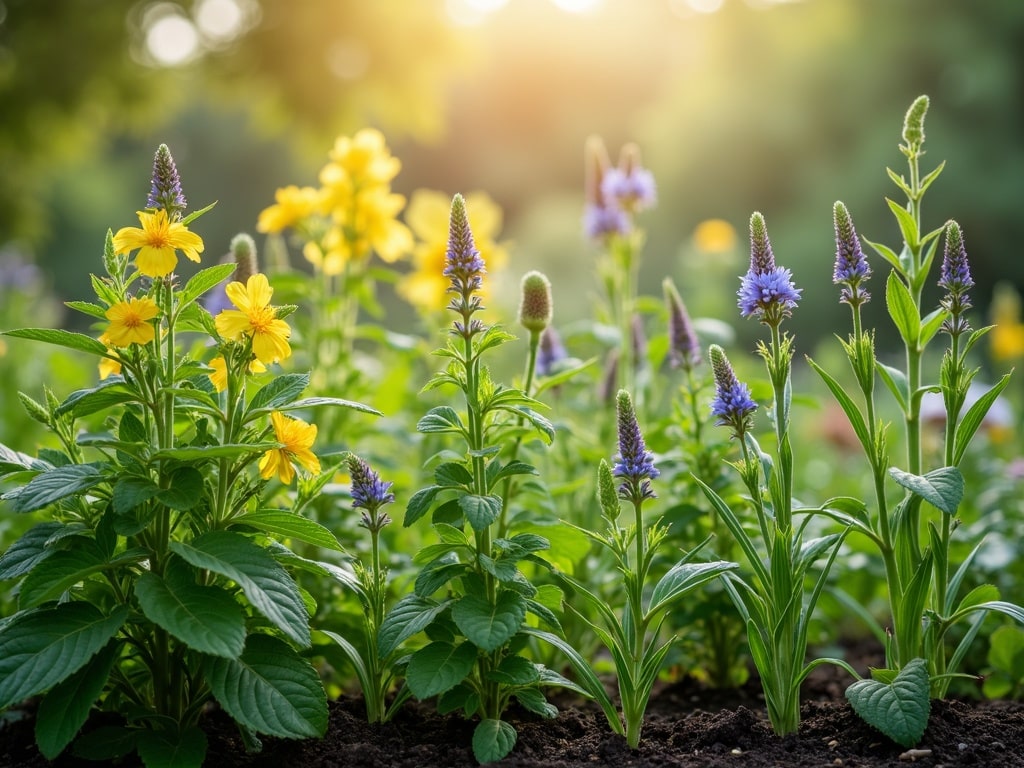
Caring for Your Annual Herbs: Watering, Fertilizing, and Pruning
Once your annual herbs are planted, they need proper care to thrive. Here are some essential tips:
**Watering:Water deeply and regularly, especially during hot, dry weather. Avoid overwatering, which can lead to root rot. Check the soil moisture regularly and water when the top inch feels dry. Container-grown herbs may need more frequent watering.
**Fertilizing:Annual herbs generally don't need heavy fertilization. A light feeding with a balanced organic fertilizer or compost tea every few weeks is usually sufficient. Avoid over-fertilizing, which can result in leggy growth and reduced flavor.
**Pruning:Regular pruning is essential for encouraging bushy growth and preventing flowering. Pinch off the tips of the stems to promote branching. Remove any yellowing or dead leaves. For herbs like basil, pinch off the flower buds as soon as they appear to prolong leaf production.
**Weeding:Keep your herb garden free of weeds, which can compete with the herbs for nutrients and water. Hand-pull weeds regularly or use a mulch to suppress weed growth.
**Pest and Disease Control:Monitor your herbs for pests and diseases. Aphids, spider mites, and whiteflies are common pests of herbs. Use insecticidal soap or neem oil to control these pests. Ensure good air circulation to prevent fungal diseases.
Harvesting Your Annual Herbs: Timing and Techniques
The key to enjoying the best flavor from your annual herbs is to harvest them at the right time and in the right way:
**Timing:Harvest herbs in the morning, after the dew has dried but before the sun gets too hot. This is when the essential oils are most concentrated, resulting in the best flavor.
**Technique:Use sharp scissors or pruners to harvest the leaves. Avoid tearing the leaves, which can damage the plant. For leafy herbs like basil and parsley, pinch off the top sets of leaves to encourage branching. For herbs like dill and cilantro, you can harvest the entire plant at once, or cut stems as needed.
**Flowering:Once an annual herb starts to flower, its leaf production will decrease, and the flavor may become bitter. To prolong leaf production, pinch off the flower buds as soon as they appear. However, some herbs, like borage and calendula, have edible flowers that can be used to garnish salads and drinks.
**Seed Saving:If you want to save seeds from your annual herbs, allow a few plants to flower and set seed. Collect the seeds when they are dry and mature. Store them in a cool, dry place until next year's planting season. Keep in mind that hybrid varieties will not come true from seed.
Preserving Your Annual Herbs: Making the Most of Your Harvest
Since annual herbs only last for one growing season, it's important to preserve your harvest so you can enjoy their flavors throughout the year. Here are some popular preservation methods:
**Drying:Drying is a simple and effective way to preserve herbs. Hang bunches of herbs upside down in a cool, dark, and well-ventilated place until they are completely dry. You can also dry herbs in a dehydrator or oven. Once dry, store the herbs in airtight containers.
**Freezing:Freezing is another great way to preserve herbs. Wash and dry the herbs thoroughly, then chop them and place them in ice cube trays with water or olive oil. Freeze until solid, then transfer the cubes to freezer bags. You can also freeze whole leaves in freezer bags.
**Infusing Oils and Vinegars:Infusing oils and vinegars with herbs is a delicious way to capture their flavors. Simply combine fresh herbs with oil or vinegar in a jar and let them infuse for several weeks. Strain out the herbs and store the infused oil or vinegar in a cool, dark place.
**Making Pesto:Pesto is a classic way to preserve basil. Blend fresh basil with Parmesan cheese, pine nuts, garlic, and olive oil. Freeze the pesto in small portions for later use.
[externalLink insert]
Creative Ways to Use Your Annual Herbs
Beyond the usual culinary applications, there are many creative ways to use your annual herbs:
**Herb Butter:Mix chopped fresh herbs with softened butter for a flavorful spread.
**Herb-Infused Water:Add fresh herbs to a pitcher of water for a refreshing and flavorful drink.
**Herb Vinegars:Steep herbs in vinegar for salad dressings and marinades.
**Herb Salts:Combine dried herbs with sea salt for a flavorful seasoning.
**Herbal Teas:Brew fresh or dried herbs into soothing and flavorful teas.
**Herbal Baths:Add herbs to your bathwater for a relaxing and aromatic experience.
**Potpourri:Dry herbs and flowers for a fragrant potpourri.
Troubleshooting Common Problems
Even with the best planning and care, you may encounter some problems when growing annual herbs. Here are some common issues and how to address them:
**Yellowing Leaves:Yellowing leaves can be caused by overwatering, underwatering, nutrient deficiencies, or pests. Check the soil moisture, fertilize as needed, and inspect the plants for pests.
**Leggy Growth:Leggy growth is often caused by insufficient sunlight or over-fertilizing. Provide more sunlight and reduce fertilization.
**Bolting:Bolting (premature flowering) is a common problem with heat-sensitive herbs like cilantro and arugula. Plant these herbs in partial shade or during cooler months, and harvest regularly.
**Pests and Diseases:Monitor your herbs for pests and diseases and take action promptly. Use insecticidal soap or neem oil for pests, and ensure good air circulation to prevent fungal diseases.
Embrace the Season of Flavor
Growing annual herbs is a rewarding and flavorful experience. With a little planning and care, you can enjoy a continuous supply of fresh, aromatic herbs throughout the growing season. So, get your hands dirty, plant some seeds, and embrace the season of flavor! From the vibrant basil in your pesto to the delicate dill on your salmon, your homegrown herbs will transform your culinary creations and bring a touch of magic to your garden.