

The Curious Gardener's Guide to Using Silica Gel for Seed Drying: A Deep Dive
Imagine you've nurtured a prized tomato plant all season, its branches laden with ruby-red fruit. You envision saving the seeds, perpetuating its exceptional flavor for years to come. But drying seeds properly can feel like a gamble. Mold, premature sprouting, and loss of viability haunt the hopeful seed saver. What if there was a simple, almost magical way to ensure perfectly dried, long-lasting seeds? Enter silica gel, the unsung hero of seed preservation.
Why Seed Drying Matters: The Science Behind Seed Longevity
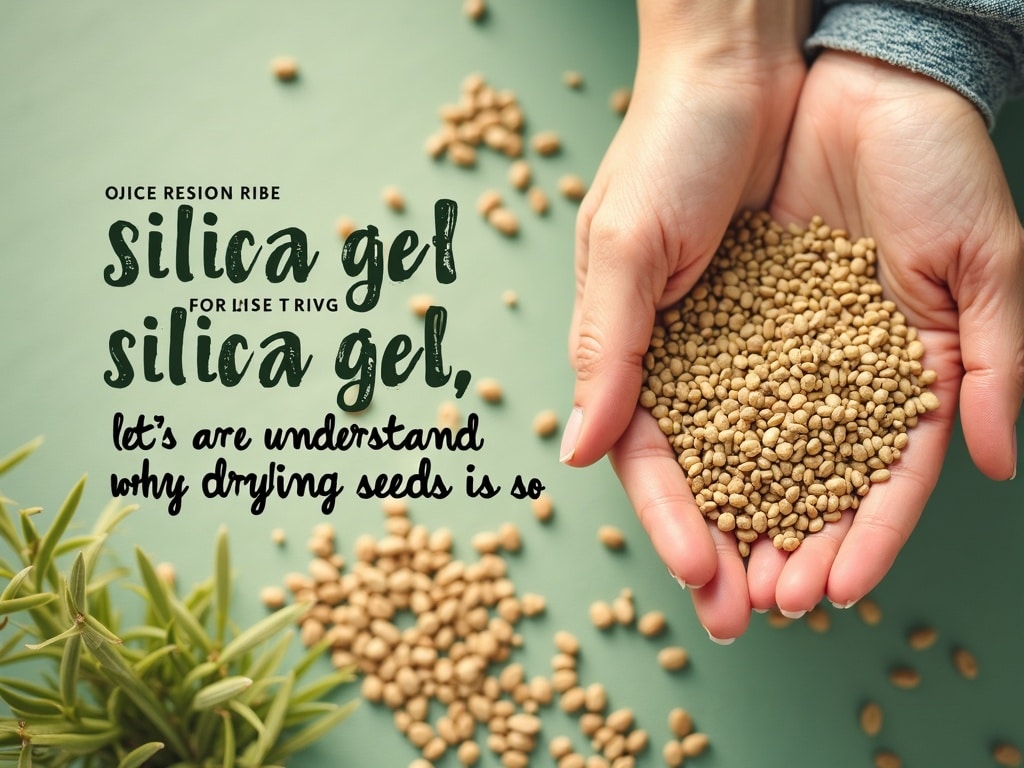
Before we delve into the practicalities of using silica gel, let's understand why drying seeds is so crucial. Seeds are essentially dormant embryos, packed with the potential for new life. However, they are also susceptible to decay if stored improperly. Moisture is the enemy.
High moisture content encourages:
- Mold and Fungal Growth: These organisms thrive in humid environments, consuming the seed's resources and rendering it unusable.
- Premature Germination: Seeds may start to sprout before you're ready to plant them, depleting their energy reserves.
- Enzyme Activity: Even without visible mold, excess moisture can trigger enzymatic processes that degrade the seed's internal structures, reducing viability over time.
Well-dried seeds, on the other hand, can remain viable for years, even decades, depending on the species and storage conditions. The lower the moisture content, the slower the rate of deterioration. Think of it like pressing pause on the seed's internal clock.
Silica Gel: A Moisture Magnet Explained
So, what exactly *issilica gel, and how does it work its drying magic? Silica gel is a form of silicon dioxide (SiO2), the same stuff that makes up sand. However, unlike regular sand, silica gel is highly porous, with an enormous surface area that allows it to absorb water molecules from the surrounding environment. Think of it as a microscopic sponge for moisture.
Here's a breakdown of its key properties:
- High Absorption Capacity: Silica gel can absorb up to 40% of its weight in moisture.
- Inert and Non-Toxic: It won't react with your seeds or contaminate them with harmful chemicals (food-grade silica gel is available, so double-check what you are using).
- Reusable: Silica gel can be dried and reused multiple times, making it a cost-effective solution for seed saving.
- Indicator Varieties: Some silica gel contains a moisture indicator that changes color as it absorbs water, letting you know when it needs to be reactivated.
Is Silica Gel the Right Choice for All Seeds?
While silica gel is an excellent drying agent, consider the specific needs of different seed types. Most vegetable, flower, herb, and grain seeds benefit greatly from silica gel drying. However, some seeds with particularly delicate structures or high oil content may require a more gentle approach.
Seeds That Thrive with Silica Gel:
- Tomato
- Pepper
- Lettuce
- Beans
- Peas
- Most flower seeds
Seeds That Might Need a Gentler Approach:
- Onion and leek seeds: These are particularly short-lived.
- Parsley: These seeds can be difficult to germinate even when properly stored.
- Some very large seeds: Consider the physical space needed for drying.
For these more delicate seeds, consider air-drying in a cool, dry place with good ventilation. Always research the specific requirements of the seeds you intend to save.
Step-by-Step Guide: Drying Seeds with Silica Gel
Now for the practical part! Here's a detailed guide to using silica gel for seed drying:
1. Gathering Your Supplies
Silica Gel: Choose a desiccant with a moisture indicator if possible. Food-grade options are best.
Airtight Containers: Glass jars or plastic containers with tight-fitting lids work well.
Breathable Bags or Pouches: Coffee filters, paper envelopes, or muslin bags to hold your seeds.
Labels and a Pen: To identify your seeds with the date and variety.
Oven (Optional): For reactivating the silica gel.
Baking Sheet or Trays (Optional): Also for reactivating silica gel.
Gloves (Optional): To minimize contamination and irritation.
2. Preparing the Seeds
Harvesting: Collect seeds from fully mature plants. For fleshy fruits like tomatoes and peppers, allow the fruits to ripen slightly *pastthe point where you would eat them.
Cleaning: Remove any pulp, juice, or debris from the seeds. Fermenting tomato seeds (soaking them in water allows mold to grow and eliminates germination-inhibiting substances) is a common method.
Initial Drying: Spread the seeds on a clean surface (paper towel, plate) in a single layer to air dry for a few hours or overnight. This reduces the initial moisture load.
3. Setting Up the Drying Container
Layering: Place a layer of silica gel at the bottom of your airtight container, about 1/2 to 1 inch deep.
Seed Pouches: Place your seeds inside the breathable bags or pouches, and label each bag clearly.
Arranging: Arrange the seed pouches on top of the silica gel layer, ensuring they are not directly touching the desiccant (this can draw moisture out too quickly from sensitive seeds).
Sealing: Seal the container tightly.
4. The Drying Process
Patience is Key: Allow the seeds to dry for several days to a week, depending on their size and initial moisture content.
Monitoring: Check the moisture indicator on the silica gel regularly. If it changes color, it's time to reactivate the desiccant.
Gentle Mixing (Optional): Gently mix the seeds within their pouches every day or two to ensure even drying.
5. Testing for Dryness
The Snap Test: A properly dried seed should snap or crack when bent, rather than bending or feeling pliable.
Visual Inspection: Seeds should appear dry and shrunken, without any signs of mold or discoloration.
6. Storage
Airtight Containers: Once the seeds are thoroughly dry, store them in airtight containers in a cool, dark, and dry place.
Refrigerator or Freezer (Optional): For long-term storage, you can store seeds in the refrigerator or freezer. Make sure they are completely dry before freezing to prevent ice crystal formation.
Labeling: Label the containers with the date and variety of the seeds.
Reactivating Silica Gel: Bringing it Back to Life
Silica gel is a reusable resource, but it needs to be reactivated once it has absorbed its fill of moisture. Here are two common methods:
Oven Method
Preheat: Preheat your oven to a low temperature, around 200-250°F (93-121°C).
Spread: Spread the silica gel in a single layer on a baking sheet or tray.
Bake: Place the tray in the oven and bake for 1-3 hours, or until the moisture indicator returns to its original color.
Cool: Allow the silica gel to cool completely before using it again.
Microwave Method
Microwave-Safe Container: Place the silica gel in a microwave-safe container.
Heat in Intervals: Microwave on medium heat for 2-5 minutes, checking frequently to avoid overheating.
Stir: Stir the silica gel periodically to ensure even drying.
Cool: Allow the silica gel to cool completely before using it again.
Important Note: Be careful not to overheat the silica gel, as this can damage its structure and reduce its absorption capacity. Always follow the manufacturer's instructions.
Troubleshooting: Common Problems and Solutions
Even with the best intentions, things don't always go according to plan. Here are some common problems you might encounter when using silica gel for seed drying, and how to fix them:
- Problem: Silica gel is not changing color.
- Solution: The seeds may not be releasing enough moisture, or the container may not be airtight. Ensure the container is properly sealed, and give the seeds more time to dry.
- Problem: Seeds are taking too long to dry.
- Solution: The silica gel may be saturated with moisture. Reactivate the silica gel or use fresh desiccant. Also, ensure the seeds were properly cleaned and initially air-dried.
- Problem: Seeds are becoming moldy.
- Solution: This indicates that the seeds were not properly cleaned or dried before being placed in the silica gel. Discard the moldy seeds and start again with fresh, clean seeds and reactivated silica gel.
- Problem: The silica gel is dusty
- Solution: Some silica gel may have fine particles. Place a coffee filter or muslin cloth between the silica gel and the seed pouches to prevents dust contamination.
Beyond the Basics: Advanced Tips for Seed Saving Success
Ready to take your seed saving skills to the next level? Here are some advanced tips:
Know Your Seeds: Research the specific drying and storage requirements of each seed type.
Monitor Humidity: Use a hygrometer (humidity meter) to monitor the humidity levels in your seed storage area.
Vacuum Sealing: For ultra-long-term storage, consider vacuum sealing your seeds in airtight bags.
Germination Testing: Before planting your saved seeds, conduct a germination test to ensure they are still viable. Place a sample of seeds between damp paper towels and observe how many sprout.
Proper Ventilation: Even in storage, airflow helps prevent moisture buildup. Don't pack your seeds in so tightly that air can't circulate.
Silica Gel Alternatives: Exploring Other Drying Methods
While silica gel is a reliable option, it's not the only way to dry seeds. Here are some popular alternatives:
Air Drying: Spreading seeds in a single layer in a cool, dry, well-ventilated place. This method is best suited for seeds with low moisture content.
Desiccants: Other desiccants include rice, powdered milk, or calcium chloride. These are generally less effective and reliable than silica gel.
Food Dehydrator: Using a food dehydrator on a very low setting to gently dry seeds. This method requires careful monitoring to avoid overheating.
The Future of Seed Saving: Protecting Our Genetic Heritage
Saving seeds is not just a hobby; it's a vital practice for preserving biodiversity and ensuring food security. By mastering techniques like silica gel drying, we can safeguard valuable plant varieties for future generations. It's a tangible way to connect with the past and cultivate a more sustainable future.
Final Thoughts: Embrace the Seed Saving Journey
Using silica gel for seed drying is a simple yet powerful technique that can significantly improve the longevity and viability of your saved seeds. It empowers you to become a guardian of genetic diversity, preserving heirloom varieties and ensuring a sustainable food supply. So, gather your supplies, embrace the process, and embark on the rewarding journey of seed saving! Each seed you save is a tiny vessel of hope, carrying the potential for new life and abundance.