

Pressure Canning Basics: A Comprehensive Guide to Safe Home Preserving
Imagine the satisfaction of savoring garden-fresh tomatoes in the dead of winter, or sharing a homemade jar of flavorful chicken soup with a friend battling a cold. Pressure canning makes this possible, allowing you to safely preserve low-acid foods at home. But before you dive in, it's crucial to understand the basics. This comprehensive guide will walk you through everything you need to know to confidently and safely embark on your pressure canning journey.
What is Pressure Canning and Why is it Important?
Pressure canning is a method of preserving food by heating it in a sealed jar to a temperature of 240°F (116°C) or higher. This high temperature is essential for killing *Clostridium botulinumspores, the bacteria that cause botulism, a potentially fatal form of food poisoning. These spores thrive in low-acid environments, making pressure canning the *onlysafe method for preserving vegetables, meats, poultry, and seafood.
Think of it like this: boiling water canning, suitable for high-acid foods like fruits and pickles, simply doesn't get hot enough to eliminate botulism spores in low-acid foods. A pressure canner, on the other hand, creates a superheated environment, ensuring safe preservation.
Boiling Water Canning vs. Pressure Canning: Knowing the Difference
It's vital to distinguish between boiling water canning and pressure canning. Boiling water canning is suitable for high-acid foods with a pH of 4.6 or lower. These foods include:
Fruits (jams, jellies, preserves)
Pickled vegetables
Tomatoes (with added acid)
Pressure canning is *requiredfor low-acid foods with a pH above 4.6. These foods include:
Vegetables (beans, corn, peas, potatoes)
Meats (beef, pork, poultry)
Seafood
Soups (containing low-acid ingredients)
Using the wrong method can lead to spoilage and, more importantly, the risk of botulism. Always consult a tested recipe from a reliable source for the specific canning method and processing time for each food.
Essential Equipment for Pressure Canning
Before you begin, you'll need to gather the necessary equipment. Investing in quality tools will ensure your safety and success.
**Pressure Canner:This is the most important piece of equipment. Choose a pressure canner that is the right size for your needs and that is in good working condition. There are two main types:
**Dial Gauge Canner:This type has a dial gauge that indicates the pressure inside the canner. Dial gauges need to be tested annually for accuracy. Contact your local Extension office for testing services.
**Weighted Gauge Canner:This type has a weighted gauge that jiggles or rocks to indicate the pressure. Weighted gauges do not require testing.
**Canning Jars:Use only jars specifically designed for canning. These jars are made of tempered glass and can withstand the high temperatures and pressures of canning. Inspect jars carefully for cracks or chips before use.
**Canning Lids and Bands:Use new lids for each batch of canning. The lid's sealing compound is crucial for creating an airtight seal. Bands can be reused as long as they are in good condition.
**Jar Lifter:This tool is essential for safely lifting hot jars out of the canner.
**Lid Lifter:A magnetic lid lifter helps you remove sterilized lids from hot water without contaminating them.
**Wide-Mouth Funnel:This funnel helps you fill jars without spilling.
**Bubble Remover/Headspace Tool:This tool is used to remove air bubbles from the filled jars and to measure headspace.
**Large Pot:For heating lids and preparing food.
**Kitchen Scale:For accurately weighing ingredients.
**Measuring Cups and Spoons:For precise measurements.
**Clean Kitchen Towels:For wiping jars and cleaning up spills.
Step-by-Step Guide to Pressure Canning
Now that you have your equipment, let's walk through the process of pressure canning. Remember to always follow a tested recipe from a reliable source, such as the USDA Complete Guide to Home Canning or your local Extension office.
1. **Prepare Your Jars and Lids:Wash jars, lids, and bands in hot, soapy water. Rinse well. Sterilize jars by boiling them in a large pot of water for 10 minutes. Keep jars hot until ready to use. Heat lids in a small pot of simmering water. Do not boil.
2. **Prepare Your Food:Wash, peel, and chop your produce according to the recipe. Pre-cooking some foods, like meats and certain vegetables, may be required.
3. **Pack the Jars:Fill the hot jars with the prepared food, leaving the proper headspace (the space between the top of the food and the lid). Headspace is crucial for creating a proper vacuum seal. The recipe will specify the correct headspace for each food.
4. **Remove Air Bubbles:Use a bubble remover or non-metallic spatula to gently release any trapped air bubbles.
5. **Adjust Headspace:If necessary, adjust the headspace by adding more liquid or removing excess food.
6. **Wipe Jar Rims:Use a clean, damp cloth to wipe the jar rims to ensure a good seal.
7. **Place Lids and Bands:Place a lid on each jar and then screw on a band until fingertip tight. Fingertip tight means the band is snug but not overly tight. Overtightening can prevent the jar from venting properly.
8. **Load the Canner:Place the filled jars in the pressure canner on the rack. Add the amount of water specified in the canner's instruction manual.
9. **Secure the Canner Lid:Close the canner lid securely, following the manufacturer's instructions.
10. **Vent the Canner:Turn the heat to high and allow the canner to vent steam for 10 minutes. This removes air from the canner, ensuring accurate pressure.
11. **Pressurize the Canner:After venting, close the vent (or place the weight on the vent, depending on your canner model) and allow the pressure to build to the level specified in the recipe.
12. **Process the Jars:Once the correct pressure is reached, begin timing the processing time. Maintain a steady pressure throughout the processing time. Adjust the heat as needed.
13. **Depressurize the Canner:Once the processing time is complete, turn off the heat and allow the canner to depressurize naturally. Do not force the depressurization, as this can cause jars to siphon.
14. **Remove the Lid:Once the pressure is completely gone, carefully remove the lid, opening it away from you to avoid steam burns.
15. **Remove the Jars:Use a jar lifter to carefully remove the jars from the canner, keeping them upright.
16. **Cool the Jars:Place the jars on a towel-lined surface, leaving space between them for air circulation.
17. **Check for Seals:Let the jars cool completely, undisturbed, for 12-24 hours. After cooling, check for seals. The lid should be concave and should not flex when pressed.
18. **Label and Store:Label the jars with the date and contents. Store in a cool, dark, and dry place.
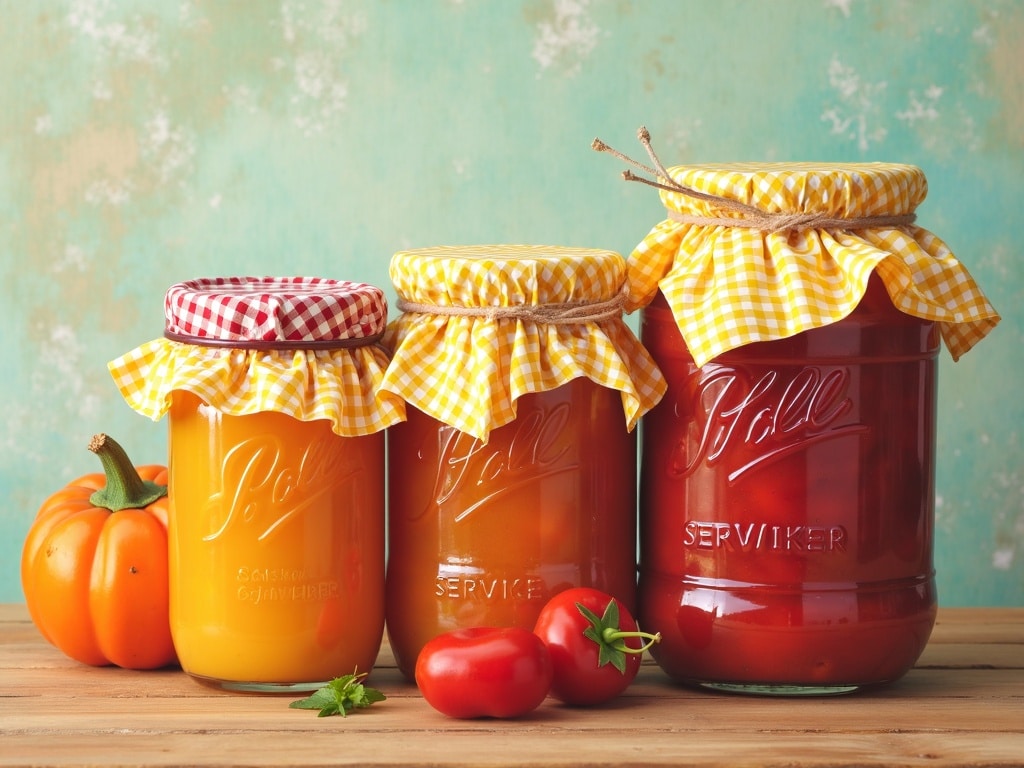
Detailed Steps: Preparing Your Jars, Food, and Pressure Canner
Let's break down each step of the pressure canning process in more detail.
Preparing Your Jars and Lids: Ensuring Cleanliness and Proper Sealing
Cleanliness is paramount in canning. Start by thoroughly washing your canning jars in hot, soapy water. A dishwasher can be used, but ensure the jars are completely clean. Inspect each jar for any cracks, chips, or imperfections, especially around the rim. Discard any damaged jars.
Sterilization is crucial for ensuring the safety of your canned goods. While some modern recipes suggest sterilization is only necessary for processing times under 10 minutes, many canners still prefer to sterilize all jars as an added precaution.
To sterilize jars:
1. Place the clean jars on a rack in a large pot.
2. Fill the pot with water, ensuring the jars are completely submerged.
3. Bring the water to a boil and boil for 10 minutes (adjusting for altitude – add 1 minute for each 1,000 feet above sea level).
4. Keep the jars hot in the water until ready to use.
For the lids, wash them in hot, soapy water and place them in a separate saucepan. Cover the lids with water and heat to a simmer (180°F or 82°C). Do not boil the lids, as this can damage the sealing compound. Keep the lids hot until ready to use.
Preparing Your Food: Following Tested Recipes and Safe Handling Practices
The preparation of your food is just as important as the actual canning process. Always use fresh, high-quality ingredients. Wash all produce thoroughly under running water. Peel, chop, and trim the food according to the recipe instructions.
Some foods require pre-cooking before canning. This helps to reduce the amount of air in the jars and ensures even heating during processing. Follow the recipe instructions carefully for pre-cooking times and methods.
When handling raw meat or poultry, be sure to follow safe food handling practices to prevent cross-contamination. Wash your hands thoroughly with soap and water after handling raw meat or poultry. Use separate cutting boards and utensils for raw meat and poultry and other foods.
Preparing Your Pressure Canner: Understanding Your Equipment and Safety Features
Before each use, inspect your pressure canner carefully. Check the gasket (if your canner has one) for cracks or damage. Make sure the vent pipe and safety valves are clear and unobstructed. Read your canner's instruction manual thoroughly before using it for the first time.
Add the amount of water specified in the canner's instruction manual to the canner. The amount of water needed will vary depending on the size and type of canner. Place the rack in the bottom of the canner to prevent the jars from sitting directly on the bottom.
## Packing Jars and Creating Headspace: Key to a Proper Seal
Packing the jars correctly and leaving the proper headspace are crucial for creating a vacuum seal.
Filling the Jars: Hot Pack vs. Raw Pack
There are two main methods for packing jars: hot pack and raw pack.
**Hot Pack:The hot pack method involves pre-cooking the food and then packing it into the jars while it's still hot. This method is recommended for most vegetables and meats. Hot packing helps to reduce the amount of air in the jars and results in a better vacuum seal.
**Raw Pack:The raw pack method involves packing the raw food into the jars without pre-cooking. This method is sometimes used for certain fruits and vegetables. Raw packing may result in some shrinkage during processing, so it's important to pack the jars tightly.
Follow the recipe instructions for the recommended packing method for each food.
Understanding Headspace: Why It Matters
Headspace is the space between the top of the food and the lid of the jar. Proper headspace is essential for creating a vacuum seal. If there is too little headspace, the food may expand during processing and push the lid off the jar. If there is too much headspace, there may not be enough air removed from the jar, and the seal may fail.
The recommended headspace varies depending on the type of food being canned. Follow the recipe instructions carefully for the correct headspace. A general guideline is:
1/4 inch for jams, jellies, and fruit spreads
1/2 inch for fruits and tomatoes
1 inch for vegetables and meats
Use a headspace tool to measure the headspace accurately.
Removing Air Bubbles: Ensuring a Tight Seal
After filling the jars, use a bubble remover or non-metallic spatula to gently release any trapped air bubbles. Run the tool around the inside of the jar, pressing gently to release any bubbles. Add more liquid if necessary to maintain the correct headspace.
## Processing, Cooling, and Storing Your Canned Goods
The final stages of pressure canning are just as important as the initial preparation.
Processing the Jars: Maintaining Consistent Pressure and Temperature
Once the jars are packed, sealed, and loaded into the pressure canner, it's time to begin processing them. Follow these steps:
1. **Venting:Before pressurizing the canner, it's crucial to vent it properly. This involves allowing steam to escape from the canner for 10 minutes to remove any trapped air. Trapped air can lower the temperature inside the canner, leading to under-processing and potential spoilage.
2. **Pressurizing:After venting, close the vent (or place the weight on the vent, depending on your canner model) and allow the pressure to build to the level specified in the recipe. Monitor the pressure gauge carefully and adjust the heat as needed to maintain a consistent pressure.
3. **Processing Time:Once the correct pressure is reached, begin timing the processing time. The processing time will vary depending on the type of food being canned and the size of the jars. Refer to a tested recipe for the correct processing time.
4. **Maintaining Pressure:It's critical to maintain a steady pressure throughout the processing time. Fluctuations in pressure can cause jars to siphon (lose liquid) or even break. Check the pressure gauge frequently and adjust the heat as needed to maintain the correct pressure.
Cooling the Jars: Allowing for Proper Sealing
Once the processing time is complete, turn off the heat and allow the canner to depressurize naturally. Do not force the depressurization, as this can cause jars to siphon. Allow the canner to cool completely until the pressure gauge reads zero.
Once the pressure is completely gone, carefully remove the lid, opening it away from you to avoid steam burns. Use a jar lifter to carefully remove the jars from the canner, keeping them upright. Place the jars on a towel-lined surface, leaving space between them for air circulation.
Allow the jars to cool completely, undisturbed, for 12-24 hours. As the jars cool, you should hear a popping sound as the lids seal.
Checking for Seals: Ensuring Safe Preservation
After the jars have cooled completely, check for seals. The lid should be concave and should not flex when pressed. You can also test the seal by running your finger around the edge of the lid. If the lid is sealed properly, it will not move.
If a jar did not seal properly, you can either reprocess it with a new lid within 24 hours, refrigerate it and use the food within a few days, or freeze the contents.
Labeling and Storing: Protecting Your Investment
Label the jars with the date and contents. This will help you keep track of what you have canned and when. Store the jars in a cool, dark, and dry place. Properly canned foods can last for up to a year or more.
Safety Precautions and Troubleshooting
Pressure canning is a safe method of food preservation when done correctly. However, it's important to follow safety precautions and be aware of potential problems.
Common Mistakes to Avoid
**Using Incorrect Processing Times or Pressures:This is the most common mistake and can lead to serious health risks. Always use tested recipes and follow the processing times and pressures exactly.
**Not Venting the Canner Properly:Venting the canner is crucial for removing air and ensuring accurate processing temperatures.
**Forcing Depressurization:Forcing the canner to depressurize can cause jars to siphon and may result in seal failures.
**Using Damaged Jars or Lids:Damaged jars or lids can prevent a proper seal.
**Overfilling or Underfilling Jars:Proper headspace is essential for creating a vacuum seal.
Troubleshooting Common Problems
**Jars Not Sealing:This can be caused by a variety of factors, including damaged jars or lids, improper headspace, or incorrect processing times or pressures.
**Siphoning:Siphoning is the loss of liquid from the jars during processing. This can be caused by fluctuations in pressure, forcing depressurization, or overfilling the jars.
**Spoilage:Signs of spoilage include bulging lids, cloudy liquid, unusual odors, or mold growth. Never consume food from a jar that shows signs of spoilage.
Recognizing and Preventing Botulism
Botulism is a serious illness caused by the bacterium *Clostridium botulinum*. This bacterium can thrive in improperly canned foods. It's crucial to understand and prevent botulism.
**Symptoms of Botulism:Symptoms of botulism can include double vision, blurred vision, drooping eyelids, slurred speech, difficulty swallowing, muscle weakness, and paralysis. If you suspect you have botulism, seek medical attention immediately.
**Preventing Botulism:The best way to prevent botulism is to follow safe canning practices. Always use tested recipes, follow the processing times and pressures exactly, and inspect jars for signs of spoilage before consuming the food.
**Boiling Low-Acid Foods:As an extra precaution, it is recommended to boil all home-canned low-acid foods for 10 minutes before consuming them, even if they appear to be properly sealed. This will destroy any botulism toxin that may be present. Add one minute for each 1,000 feet above sea level.
Discover Proven Techniques to Preserve Your Food Year-Round and Enjoy Less Waste with More Freshness
Resources and Recipes for Further Exploration
There are many excellent resources available to help you learn more about pressure canning.
**USDA Complete Guide to Home Canning:This is the definitive guide to home canning, providing detailed information on all aspects of the process. You can find it online [externalLink insert] or purchase a printed copy.
**National Center for Home Food Preservation:This website offers a wealth of information on home food preservation, including recipes, tutorials, and FAQs.
**Local Extension Offices:Your local Extension office is a great resource for information on home canning. They can provide workshops, answer your questions, and even test your dial gauge pressure canner.
Conclusion: Embracing the Art of Safe Home Preservation
Pressure canning may seem daunting at first, but with careful attention to detail and a commitment to following safe practices, it can be a rewarding and enjoyable way to preserve your garden's bounty. Imagine the satisfaction of enjoying homemade soups, sauces, and vegetables all year round, knowing that you have safely preserved them yourself. So gather your equipment, find a tested recipe, and embark on your own pressure canning adventure. You'll be amazed at what you can create!