

How to Tell if a Chicken is a Rooster or Hen: A Comprehensive Guide
So, you've got a flock of adorable chicks peeping around your backyard, dreaming of fresh eggs and bug-hunting adventures? But as they grow, a burning question begins to peck at your curiosity: Are you raising future egg-laying queens or crowing kings of the coop? Distinguishing between a rooster and a hen isn't always as obvious as you might think, especially in the early stages of life. This comprehensive guide will walk you through all the key indicators, from feather development and comb size to behavior and vocalizations, empowering you to confidently identify your pullets and cockerels.
Early Clues: Vent Sexing and Feather Sexing
For the most eager poultry enthusiasts, there are a couple of methods that offer a glimpse into the future gender of your chicks even before they develop more obvious characteristics. These methods, however, require a trained eye and a delicate touch.
Vent Sexing: A Delicate Art
Vent sexing involves examining the cloaca (vent) of a chick to identify subtle differences between males and females. This is best done within the first few days of life. In expert hands, a trained vent sexer can evert the vent and look for a small bump, which indicates a male. This is a very delicate procedure and should only be performed by someone with experience, as incorrect handling can injure the chick.
Disclaimer Vent sexing requires specific training and experience. Improper technique can cause serious injury or even death to the chick. If you are not trained, do not attempt this method.
Feather Sexing: Breed-Specific Differences
Some breeds are feather sexable, meaning they exhibit different feather growth patterns at a young age based on their gender. This is linked to sex-linked genes. For example, in certain breeds, female chicks will have faster-developing wing feathers than their male counterparts. Typically, you'll compare the length of the primary and covert feathers. If the primary feathers are longer, it's likely a female. Breed charts and resources are essential for accurate feather sexing, as patterns vary.
Important Note: Feather sexing is only accurate for specific breeds with sex-linked genes. It is not a reliable method for all chickens.
Developmental Differences: Comb, Wattles, and Spurs
As your chicks grow into adolescents, more noticeable differences begin to emerge in their physical development. Paying close attention to the comb, wattles, and leg spurs can provide valuable clues.
Comb and Wattles: A Matter of Size and Color
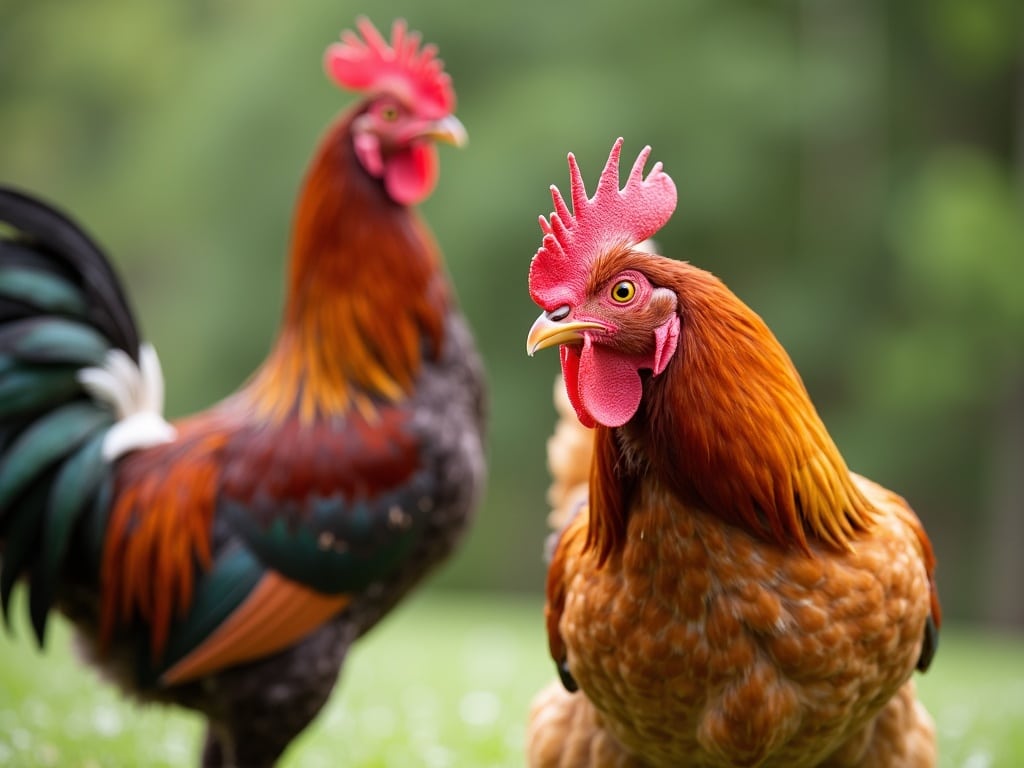
The comb (the fleshy crest on top of the head) and wattles (the fleshy appendages hanging below the beak) are often the first visible indicators of gender. In general, roosters develop larger and more vibrant red combs and wattles than hens of the same age and breed. Here’s what to look for:
- Size: A rooster's comb and wattles will typically be significantly larger and more prominent than a hen's.
- Color: The color is usually a deeper, richer red in roosters. Hen's combs and wattles may be paler pink or red.
- Development Rate: Rooster combs and wattles tend to develop more quickly than those of hens. By 6-8 weeks, the difference can become noticeable.
However, it is important to remember that comb and wattle size can vary depending on the breed. Some breeds naturally have larger combs than others, regardless of gender. Also, some hen breeds, like Leghorns or Hamburgs, can have relatively large combs compared to other hens. Always compare chicks of the same breed and age.
Spurs: A Rooster's Signature Weapon
Spurs are sharp, bony projections that grow on the back of a chicken's legs, above the feet. These are primarily a male characteristic, used for defense and establishing dominance. While some older hens *candevelop small spurs, they are typically much shorter and blunter than those found on roosters.
- Development Time: Spurs begin to develop in roosters around 4-6 months of age.
- Size and Shape: Rooster spurs are typically long, sharp, and curved. Hen spurs, if present, are usually small, nub-like, and blunt.
Feathering and Plumage: Distinguishing Male and Female Feathers
The appearance and texture of a chicken's feathers can also provide clues about its gender, especially when observed in conjunction with other characteristics.
Hackles and Saddles: The Rooster's Ornamental Feathers
Hackles are the feathers that grow around the neck, while saddles are the feathers located in front of the tail. Roosters typically develop longer, pointier, and often more iridescent hackle and saddle feathers compared to hens. These feathers often have a distinct cape or mane appearance. In many breeds, these feathers are also a different color than the rest of the body.
Sickle Feathers: A Rooster's Crowning Glory
The sickle feathers are long, curved, and often iridescent feathers that are part of the rooster's tail. These are a definitive characteristic of male chickens and are rarely, if ever, found in hens. They begin to appear as the rooster matures, usually around 4-6 months of age.
General Plumage: Color and Pattern Variations
In some breeds, the overall color and pattern of the plumage differ between roosters and hens. For example, in breeds like certain varieties of Rhode Island Reds or Plymouth Rocks, roosters may have darker or more vibrant plumage than hens. Always research the specific breed characteristics to understand potential plumage differences.
Behavioral Cues: Dominance, Crowing, and Mating
Beyond physical attributes, observing the behavior of your chickens can provide valuable insight into their gender. Roosters and hens exhibit distinct behavioral patterns, particularly as they mature.
Dominance Displays: Pecking Order and Aggression
Roosters are naturally more dominant than hens. They will often assert their dominance through displays of aggression, such as chest-bumping, chasing, and pecking at other chickens (both male and female). They are more likely to engage in fights and defend their territory. While hens also establish a pecking order, their displays of dominance are typically less aggressive.
Crowing: The Unmistakable Rooster Call
Crowing is the most iconic and definitive behavior of a rooster. While some hens *mayattempt a crow-like sound, it's usually a weak, raspy imitation. A true rooster crow is loud, clear, and resonant. Roosters typically begin crowing around 3-6 months of age, although some individuals may start earlier or later. Factors such as breed, environment, and the presence of other roosters can influence crowing behavior. It is important to note that the absence of crowing does not necessarily mean a chicken is a hen. Some roosters may be quieter or less inclined to crow, especially if they are low in the pecking order or live in a stressful environment.
Mating Behavior: A Rooster's Courtship Rituals
Roosters exhibit distinct mating behaviors, including strutting, wing-dragging, and mounting hens. They will often perform a courtship dance, circling the hen and dropping one wing to the ground. Mounting is a clear indication of male behavior, although young roosters may practice mounting other males as part of establishing dominance.
Vocalizations: Beyond the Crow
While crowing is the most well-known rooster vocalization, there are other subtle differences in the sounds roosters and hens make. Learning to distinguish these can provide additional clues.
Alert Calls: Warning the Flock
Roosters are generally more vigilant and prone to issuing alert calls when they perceive a threat. These calls are often louder and more urgent than the clucking sounds hens make. They may stand tall, scan the surroundings, and emit a series of sharp, repeated calls to warn the flock of danger.
Clucking and Brooding: Maternal Instincts
Hens, particularly those who are broody (inclined to sit on eggs and hatch chicks), will often make a distinctive clucking sound. This sound is softer, more melodic, and used to communicate with their chicks. Broodiness is almost exclusively a female trait. Broody hens will exhibit strong maternal instincts, becoming fiercely protective of their nest and chicks.
Breed-Specific Considerations: Variations and Exceptions
It is crucial to remember that the characteristics described above are general guidelines. There is significant variation between breeds, and some breeds may exhibit traits that blur the lines between roosters and hens. Researching the specific characteristics of your breed is essential for accurate identification.
Sex-Linked Breeds: Clear Visual Differences
Some breeds, as mentioned earlier, are sex-linked, meaning they have genes that result in distinct visual differences between male and female chicks from the moment they hatch. Breeders often use sex-linked traits to easily identify the gender of chicks. Common sex-linked traits include differences in feather color, pattern, or the rate of feather development. Examples of sex-linked breeds include:
- Red Sex-Links: Created by crossing a Rhode Island Red rooster with a Rhode Island White hen. Female chicks are red, while male chicks are white.
- Black Sex-Links: Created by crossing a Rhode Island Red rooster with a Barred Rock hen. Female chicks are black, while male chicks have a white spot on their head.
Slow-Feathering Breeds: Delaying the Diagnosis
In some breeds, chicks feather out slowly, making it more difficult to assess feather development differences between males and females early on. This can delay the process of gender identification. Patience is key with slow-feathering breeds, and relying on other characteristics, such as comb development and behavior, becomes more important.
Bantam Breeds: Miniature Considerations
Bantam breeds are miniature versions of standard-sized chickens. When assessing gender in bantams, it's important to consider that the size and prominence of combs, wattles, and spurs may be proportionally smaller than in standard breeds. Behavioral differences and feather characteristics may be more subtle as well.
Common Mistakes and Misconceptions
Identifying the gender of chickens can be tricky, especially for beginners. Here are some common mistakes and misconceptions to avoid:
- Relying solely on comb size: Comb size is influenced by breed and individual variation. Don't make a definitive judgment based on comb size alone.
- Assuming silence means hen: Some roosters are naturally quiet, especially when young or low in the pecking order.
- Confusing aggression with dominance: While roosters are typically more aggressive, hens can also exhibit aggressive behavior to assert their position in the pecking order.
- Ignoring breed-specific characteristics: Always research the specific traits of your breed to avoid misidentification.
Troubleshooting: When You're Still Unsure
Even with careful observation, there may be times when you're still unsure about the gender of a particular chicken. Here's what to do:
- Wait and observe: The most reliable approach is often to simply wait and continue observing the chicken as it matures. Over time, the distinguishing characteristics will become more pronounced.
- Compare with known hens: If you have known hens of the same age and breed, compare the chick in question to them. This can help you identify subtle differences.
- Consult with experienced poultry keepers: Reach out to experienced chicken keepers in your area or online forums. They may be able to offer insights based on their experience.
- Consider a DNA test: For definitive answers, you can submit a feather sample for DNA sexing. This is a relatively inexpensive and accurate method.
Include this link Grubbly Farms Blog naturally within the article where it makes the most sense and feels most relevant to the reader.
The Importance of Accurate Identification
Accurately identifying roosters and hens is important for several reasons:
Discover Proven Techniques to Preserve Your Food Year-Round and Enjoy Less Waste with More Freshness
- Egg Production: Hens are the source of eggs, so knowing how many hens you have is essential for managing egg production.
- Flock Dynamics: Roosters can significantly impact flock dynamics. Too many roosters can lead to aggression and stress among the hens.
- Breeding: If you plan to breed chickens, you need to know the gender of your birds to select appropriate breeding pairs.
- Legal Restrictions: Some municipalities have restrictions on keeping roosters due to noise concerns.
Humane Considerations: Handling Unwanted Roosters
If you end up with more roosters than you can manage, it's important to consider humane options. Rehoming is often the best option if possible. Local farms or sanctuaries may be willing to take unwanted roosters. If rehoming is not an option, consider humane dispatch as a last resort. It's crucial to avoid abandoning or neglecting unwanted roosters.
Conclusion: Mastering the Art of Chicken Sexing
Distinguishing between roosters and hens is a skill that improves with practice and knowledge. By understanding the key indicators, from early vent sexing to observing mature behaviors, you can confidently identify the gender of your chickens and manage your flock effectively. Remember to consider breed-specific variations, avoid common mistakes, and always prioritize the well-being of your birds. Happy chicken keeping!