
How to Manage Humidity in a Greenhouse: A Comprehensive Guide
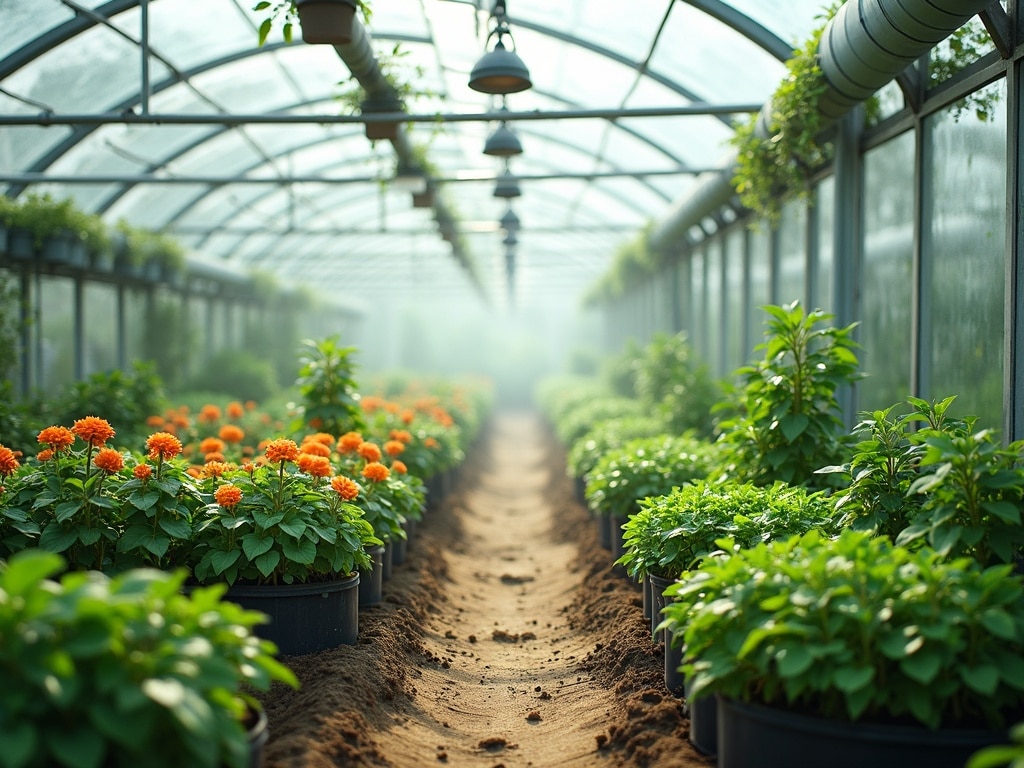
Imagine stepping into your greenhouse. Sunlight streams through the clear panels, illuminating a lush, vibrant ecosystem. But there’s a catch – the air hangs heavy, thick with moisture, almost suffocating. Managing humidity is the unsung hero of successful greenhouse gardening. Too much, and you're inviting diseases; too little, and your plants suffer from drought-like conditions. This guide breaks down everything you need to know about controlling humidity in your greenhouse, creating the perfect environment for thriving plants.
Understanding Humidity: The Basics
Before diving into solutions, let's define humidity. Humidity refers to the amount of water vapor present in the air. We usually express it as relative humidity (RH), which is the percentage of water vapor in the air compared to the maximum amount the air can hold at a specific temperature. Warm air holds more moisture than cold air. This is crucial to understand when considering greenhouse climate control.
Why is Humidity Important in a Greenhouse?
Humidity profoundly impacts several critical plant processes:
- Transpiration: This is the process where plants release water vapor through their leaves. It's like sweating for plants, helping them cool down and transport nutrients from the roots. Low humidity increases transpiration, potentially leading to dehydration if water uptake isn't sufficient. High humidity reduces transpiration, hindering nutrient transport and increasing the risk of fungal diseases.
- Nutrient Uptake: Transpiration drives nutrient uptake. If transpiration slows due to high humidity, the plant struggles to absorb essential nutrients from the soil or hydroponic solution.
- Disease Prevention: High humidity creates a breeding ground for fungal diseases like botrytis (grey mold), powdery mildew, and damping-off. These diseases can quickly devastate a greenhouse crop.
- Pollination: Excessive humidity can interfere with pollen dispersal, hindering fruit and seed production. Pollen becomes sticky and less likely to travel, impacting yields, especially for crops like tomatoes and peppers.
- Growth Rates: Maintaining the right humidity level optimizes growth. Stress caused by improper humidity levels slows development, reduces yields, and weakens plants.
Ideal Humidity Levels for Greenhouses
The ideal humidity level varies depending on the plant species and growth stage. However, some general guidelines apply:
- Seedlings and Cuttings: 70-80% RH. High humidity helps prevent desiccation before roots develop.
- Vegetative Growth: 60-70% RH. This encourages robust foliage development.
- Flowering and Fruiting: 40-60% RH. Lower humidity reduces the risk of bud rot and improves pollination.
These are starting points; research the specific needs of your plants for optimal results. A cucumber might thrive at a different humidity level than an orchid.
Identifying Humidity Problems in Your Greenhouse
Recognizing humidity problems early is key to preventing significant damage. Watch for these telltale signs:
Signs of High Humidity
- Condensation on surfaces: Water droplets forming on the greenhouse walls, roof, and plants is a clear indicator.
- Mold or mildew growth: Look for fuzzy grey, white, or black patches on leaves, stems, and soil.
- Soft, weak growth: Plants may appear leggy and develop thin, elongated stems.
- Edema: Small, blister-like bumps on the undersides of leaves, caused by excessive water uptake.
- Rotting fruit or flowers: Especially in humid conditions, fruits and flowers are susceptible to fungal infections.
Signs of Low Humidity
- Wilting leaves: Even with adequate watering, leaves may droop and appear dry.
- Crispy leaf edges: The tips and edges of leaves may turn brown and become brittle.
- Stunted growth: Plants may grow slowly or fail to thrive.
- Increased pest activity: Some pests, like spider mites, thrive in dry conditions.
- Blossom end rot: In tomatoes and peppers, the bottom of the fruit may develop a dark, sunken, leathery spot due to calcium deficiency caused by poor water transport.
Tools for Monitoring Humidity
Accurate monitoring is crucial for effective humidity management. Here are essential tools:
- Hygrometer: A hygrometer measures the relative humidity in the air. Digital hygrometers are generally more accurate and easier to read than analog models. Look for one that also displays temperature.
- Thermometer: Temperature and humidity are closely linked. Monitor temperature alongside humidity to understand the overall greenhouse climate.
- Data Logger: For more advanced monitoring, a data logger records temperature and humidity over time, providing valuable insights into fluctuations and trends. This helps identify patterns and fine-tune your control strategies.
- Weather Station: A complete weather station provides comprehensive climate data, including temperature, humidity, wind speed, and rainfall. This is particularly useful for larger greenhouses or those in areas with variable weather conditions.
Place monitoring devices at plant level, away from direct sunlight or heat sources, for accurate readings. Consider multiple monitoring points in larger greenhouses.
Strategies for Managing High Humidity
Lowering humidity is often the biggest challenge in greenhouse management. Here are several effective strategies:
Ventilation
Ventilation is the primary method for reducing humidity. It involves exchanging moist air inside the greenhouse with drier air from outside.
- Natural Ventilation: This relies on vents strategically placed to allow airflow. Roof vents are most effective for exhausting warm, moist air, as heat rises. Side vents allow cooler, drier air to enter. The size and placement of vents depend on the size of your greenhouse and local climate. Automated vent openers, triggered by temperature, provide consistent and hands-free control.
- Forced Ventilation: This uses fans to circulate air and exhaust moist air. Exhaust fans are typically placed high in the greenhouse to remove warm, humid air. Circulation fans help prevent stagnant air pockets and promote even humidity distribution. Consider using horizontal airflow (HAF) fans, which create a gentle, continuous airflow throughout the greenhouse. Fan size and placement depend on the greenhouse volume and desired air exchange rate.
Heating
Heating the air increases its capacity to hold moisture, effectively lowering the relative humidity. This may seem counterintuitive, but it's a highly effective strategy, especially in cooler climates.
- Strategic Heating: Use a heater to warm the greenhouse air, then vent out the humid air. This combination reduces humidity levels without excessively raising the overall temperature.
- Nighttime Heating: Humidity often spikes at night as temperatures drop. A small heater can prevent condensation and reduce the risk of fungal diseases.
Air Circulation
Good air circulation is essential to preventing humidity build-up, even if you are not actively venting. Moving air helps evaporate moisture from plant surfaces and distributes humidity more evenly.
- Circulation Fans: Install fans to keep the air moving. Position them to create a gentle breeze throughout the greenhouse, especially in areas prone to stagnant air.
- Plant Spacing: Avoid overcrowding plants. Adequate spacing allows for better airflow and reduces humidity within the plant canopy.
- Pruning: Prune plants to remove dense foliage, improving air circulation and light penetration. Remove any dead or dying leaves, as they can harbor moisture and disease.
Dehumidifiers
Dehumidifiers remove moisture from the air, providing precise humidity control. While effective, they can be energy-intensive and may not be practical for very large greenhouses.
- Sizing: Choose a dehumidifier with the appropriate capacity for your greenhouse size. Consider the humidity levels in your area and the amount of water transpired by your plants when selecting a model.
- Placement: Position the dehumidifier in a central location with good airflow. Ensure it has adequate drainage for the collected water.
- Energy Efficiency: Look for energy-efficient models to minimize operating costs.
Watering Practices
Careful watering practices can significantly impact humidity levels.
- Watering Time: Water in the morning, allowing foliage to dry before evening. Avoid watering late in the day, as this prolongs the period of high humidity overnight.
- Watering Method: Use drip irrigation or soaker hoses to deliver water directly to the roots, minimizing splashing and evaporation. Avoid overhead watering, which wets the foliage and increases humidity.
- Watering Amount: Water deeply but less frequently, rather than shallowly and often. This encourages deeper root growth and reduces surface evaporation.
- Avoid Overwatering: Overwatering saturates the soil and increases humidity. Allow the soil surface to dry slightly between waterings.
Greenhouse Design and Materials
The design and materials used in your greenhouse can influence humidity levels.
- Greenhouse Covering: Polycarbonate and glass offer better insulation than polyethylene film, reducing temperature fluctuations and condensation. Consider using double-walled polycarbonate for even better insulation.
- Greenhouse Orientation: Orient the greenhouse to maximize sunlight exposure, which helps warm the air and reduce humidity.
- Floor Material: A gravel or permeable floor allows water to drain quickly, reducing humidity. Avoid concrete floors, which can trap moisture.
Strategies for Managing Low Humidity
While high humidity is a more common problem, low humidity can also stress plants. Here's how to increase humidity levels in your greenhouse:
Misting Systems
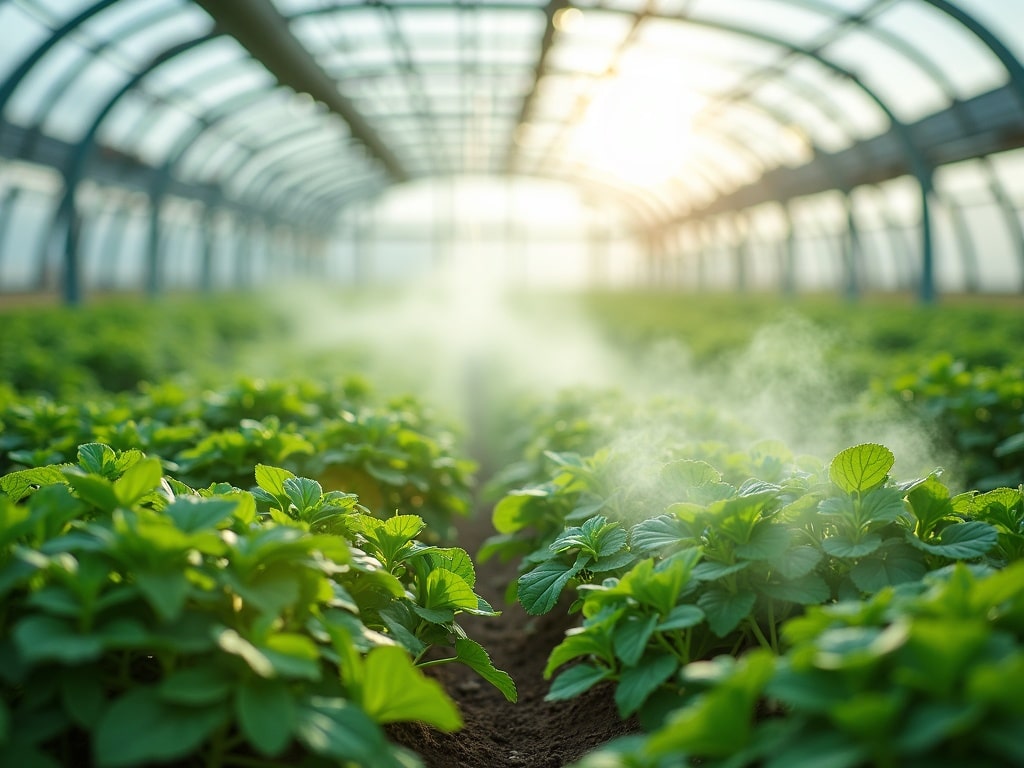
Misting systems release a fine spray of water into the air, increasing humidity. They are particularly effective for seedlings and cuttings that require high humidity.
- Types of Misting Systems: Options range from simple handheld sprayers to automated systems with timers and humidity sensors.
- Nozzle Selection: Choose nozzles that produce a fine mist to avoid wetting foliage excessively.
- Timer Control: Use a timer to control the misting frequency and duration, preventing over-saturation.
Evaporative Coolers
Evaporative coolers, also known as swamp coolers, draw air through a wet pad, cooling and humidifying it. They are effective in dry climates but less so in humid regions.
- Sizing: Select an evaporative cooler with the appropriate capacity for your greenhouse size.
- Water Supply: Ensure a constant water supply for the cooler.
- Maintenance: Regularly clean the cooling pads to prevent algae and mineral build-up.
Humidifiers
Humidifiers add moisture to the air, providing precise humidity control. They are a good option for smaller greenhouses or for targeted humidity control in specific areas.
- Types of Humidifiers: Options include cool mist, warm mist, and ultrasonic humidifiers. Cool mist humidifiers are generally safer for greenhouses.
- Water Quality: Use clean, filtered water to prevent mineral build-up and the spread of diseases.
- Maintenance: Regularly clean the humidifier to prevent mold and bacteria growth.
Watering the Floor
Lightly watering the greenhouse floor can increase humidity through evaporation. This is a simple and inexpensive method, but it provides less precise control than other options.
- Frequency: Water the floor lightly in the morning to increase humidity during the day.
- Avoid Overwatering: Avoid saturating the floor, as this can lead to fungal problems.
Shade Cloth
Shade cloth reduces sunlight intensity, lowering the greenhouse temperature and reducing transpiration. This can help maintain higher humidity levels.
- Shade Percentage: Choose a shade cloth with the appropriate shade percentage for your plants. Higher shade percentages block more sunlight.
- Installation: Install shade cloth over the greenhouse during the hottest part of the day.
Grouping Plants
Grouping plants together creates a microclimate with higher humidity. This is particularly beneficial for plants that prefer high humidity.
- Plant Compatibility: Group plants with similar humidity and light requirements together.
- Spacing: Allow adequate spacing between plants to prevent overcrowding and ensure good air circulation.
Specific Plant Needs and Humidity
As mentioned earlier, different plants have different humidity requirements. Understanding these needs is crucial for successful greenhouse gardening.
High Humidity Lovers
These plants thrive in humidity levels of 70-80%:
- Orchids: Many orchid species require high humidity to prevent dehydration.
- Ferns: Ferns prefer moist environments and are susceptible to drying out in low humidity.
- Tropical Plants: Many tropical plants, such as bromeliads and calatheas, require high humidity to thrive.
- Seedlings and Cuttings: High humidity helps prevent desiccation before roots develop.
Moderate Humidity Plants
These plants prefer humidity levels of 60-70%:
- Vegetables: Many vegetables, such as tomatoes, peppers, and cucumbers, grow well at moderate humidity levels during their vegetative growth stage.
- Herbs: Many herbs, such as basil, mint, and oregano, prefer moderate humidity.
- Flowering Plants: Many flowering plants, such as begonias and impatiens, thrive at moderate humidity levels.
Low Humidity Tolerant Plants
These plants can tolerate humidity levels of 40-60%:
- Succulents and Cacti: These plants are adapted to dry environments and prefer low humidity.
- Mediterranean Herbs: Herbs like rosemary, lavender, and thyme prefer drier conditions.
- Some Vegetables: Certain vegetables, like onions and garlic, can tolerate lower humidity levels.
Troubleshooting Common Humidity Problems
Even with careful planning, humidity problems can still arise. Here's how to troubleshoot some common issues:
Persistent High Humidity
- Check Ventilation: Ensure vents are open and functioning correctly. Increase fan speed if necessary.
- Inspect for Leaks: Repair any leaks in the greenhouse structure that may be contributing to moisture build-up.
- Re-evaluate Watering Practices: Adjust watering frequency and methods to reduce evaporation.
- Consider a Dehumidifier: If other methods are insufficient, a dehumidifier may be necessary.
Persistent Low Humidity
- Check Misting System: Ensure the misting system is functioning correctly and nozzles are not clogged.
- Increase Watering: Water the floor more frequently or use a humidifier.
- Reduce Ventilation: Close vents or reduce fan speed to conserve moisture.
- Group Plants: Group plants together to create a microclimate with higher humidity.
Fluctuating Humidity
- Monitor Weather Conditions: Adjust ventilation and heating based on external weather conditions.
- Use a Data Logger: Track humidity levels over time to identify patterns and adjust control strategies accordingly.
- Automate Control: Use automated vent openers, thermostats, and humidity sensors to maintain consistent humidity levels.
Managing humidity in a greenhouse is a balancing act, a constant adjustment to the needs of your plants and the whims of the environment. But with the right knowledge, tools, and strategies, you can create the perfect climate for thriving, healthy plants.
Advanced Techniques for Humidity Control
Once you’ve mastered the basics, you can explore some advanced techniques for even finer humidity control.
Fogging Systems
Fogging systems are similar to misting systems but produce even finer droplets, creating a dense fog that increases humidity without wetting foliage significantly. They are often used in commercial greenhouses and propagation houses.
- Nozzle Technology: Fogging systems use specialized nozzles that atomize water into extremely fine particles.
- Pressure Requirements: These systems typically require higher water pressure than misting systems.
- Temperature Control: Fogging can also provide a cooling effect, making it useful in hot climates.
Desiccant Dehumidifiers
Desiccant dehumidifiers use a desiccant material to absorb moisture from the air. They are more energy-efficient than refrigerant dehumidifiers in some applications and can operate at lower temperatures.
- Desiccant Materials: Common desiccant materials include silica gel and lithium chloride.
- Regeneration Process: The desiccant material must be regenerated periodically by heating it to release the absorbed moisture.
- Applications: Desiccant dehumidifiers are often used in controlled environment agriculture and research facilities.
Greenhouse Automation Systems
Advanced greenhouse automation systems integrate temperature, humidity, light, and CO2 control, providing precise environmental management. These systems use sensors and algorithms to optimize growing conditions based on plant needs and environmental factors.
- Sensor Integration: These systems integrate data from multiple sensors to provide a comprehensive view of the greenhouse environment.
- Automated Control: They can automatically adjust ventilation, heating, cooling, and humidity control systems based on sensor data.
- Remote Monitoring: Many systems offer remote monitoring and control via smartphones or computers.
Vapor Pressure Deficit (VPD)
Vapor Pressure Deficit (VPD) is a more precise measure of humidity management than relative humidity. It represents the difference between the amount of moisture the air can hold when saturated and the amount of moisture actually in the air. Managing VPD can optimize plant growth and reduce the risk of diseases.
- Calculation: VPD is calculated based on temperature and humidity.
- Optimal Range: The optimal VPD range varies depending on the plant species and growth stage.
- Monitoring and Control: Use sensors and control systems to maintain VPD within the optimal range.
Final Thoughts
Mastering humidity control in your greenhouse is a journey, not a destination. There will be experiments, successes, and occasional setbacks. By staying informed, adapting your strategies, and continuously monitoring your greenhouse environment, you can create the ideal conditions for your plants to flourish. So, go forth, cultivate your green oasis, and enjoy the rewarding experience of greenhouse gardening!