
Beyond the Stalks: A Guide to What to Plant After Corn
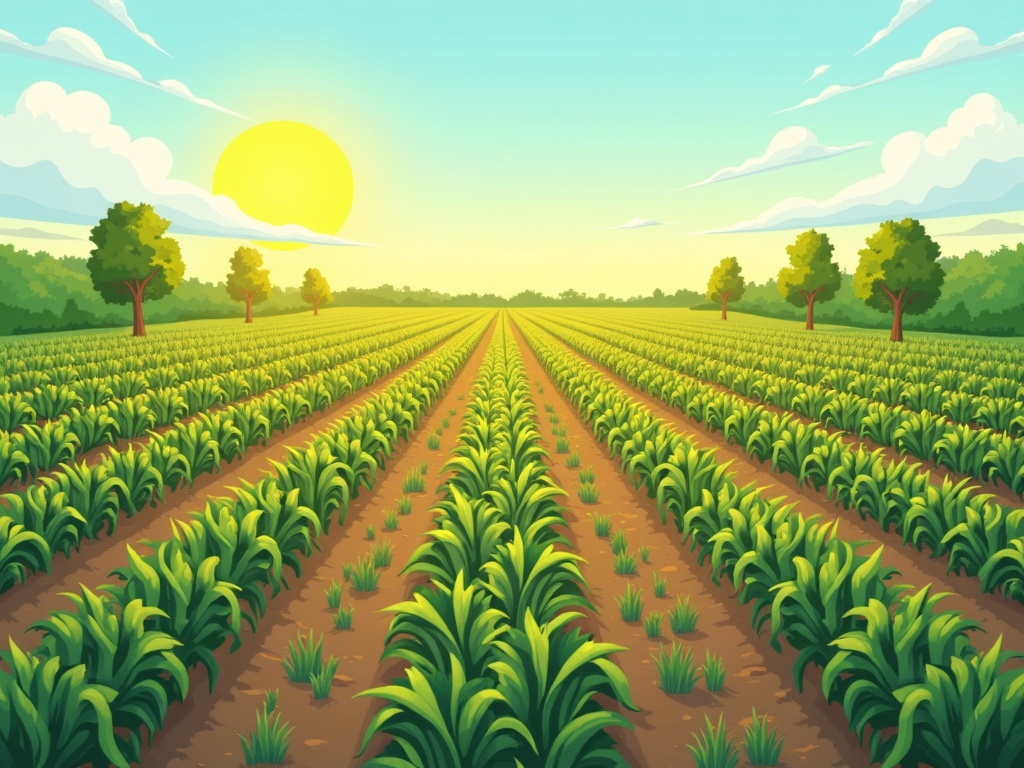
The golden stalks stand tall, a testament to summer's bounty. But as the corn harvest wraps up, a new question arises: what to plant next? This decision isn't just about filling space; it's about nurturing your soil, breaking pest cycles, and optimizing for future yields. Choosing the right follow-up crop can be a game-changer, setting the stage for a thriving and sustainable garden or farm.
Understanding Crop Rotation After Corn
Crop rotation, at its core, is the practice of strategically changing the crops grown in a specific area over a planned sequence. It's an age-old technique, a cornerstone of sustainable agriculture that offers a multitude of benefits. So, why is it so important, especially after a heavy feeder like corn?
Why Rotate Crops After Corn?
**Nutrient Management:Corn is a nitrogen hog. It depletes the soil of this crucial element. Following corn with a nitrogen-fixing crop, like beans or clover, helps replenish the soil naturally.
**Pest and Disease Control:Many pests and diseases are crop-specific. By rotating to a different crop family, you disrupt their life cycle, reducing their populations and preventing infestations.
**Soil Health:Different crops have different root structures. Rotating crops improves soil structure, aeration, and water infiltration. Some crops, like radishes, have deep taproots that help break up compacted soil.
**Weed Control:Rotating crops can help manage weeds by using different planting times, growth habits, and herbicide options.
**Yield Optimization:A well-planned rotation can increase overall yields by improving soil health and reducing pest and disease pressure.
The Impact of Corn on the Soil
Before diving into what to plant, let's understand what corn does to the soil. Corn is a heavy feeder, requiring significant amounts of nitrogen, phosphorus, and potassium. It also has a dense root system that can leave the soil compacted. Furthermore, corn residue can take a while to decompose, potentially affecting subsequent crops. These factors highlight the need for careful consideration when selecting the next crop in your rotation.
Top Choices for Planting After Corn
Now, let's get to the heart of the matter: what are the best options for planting after corn? The ideal choice depends on your climate, soil type, and goals. Here's a breakdown of some excellent contenders:
Legumes: The Nitrogen Fixers
Legumes are often the first recommendation after corn, and for good reason. They have a symbiotic relationship with nitrogen-fixing bacteria in the soil. These bacteria convert atmospheric nitrogen into a form plants can use, effectively fertilizing the soil.
**Soybeans:A popular choice, soybeans are a valuable cash crop and excellent nitrogen fixers. They also have a different root structure than corn, improving soil tilth.
**Beans (Various Types):Bush beans, pole beans, lima beans – all are great options. They mature quickly and provide a good source of nitrogen.
**Peas:Peas are another cool-season legume that can be planted as a cover crop or for edible pods and seeds.
**Clover:Clover is an excellent cover crop that can be sown after corn. It not only fixes nitrogen but also helps suppress weeds and improve soil structure.
**Alfalfa:A perennial legume, alfalfa is a long-term investment that provides excellent forage and soil benefits. It requires careful management but can significantly improve soil health over time.
Cover Crops: Soil Guardians
Cover crops are plants grown primarily to protect and improve the soil. They are not typically harvested for profit but provide invaluable benefits to soil health.
**Cereal Rye:A hardy and fast-growing cover crop, cereal rye is excellent for suppressing weeds, preventing erosion, and scavenging leftover nutrients.
**Oats:Oats are another cool-season cover crop that establishes quickly and provides good soil cover. They also have allelopathic properties, meaning they release chemicals that can suppress weed growth.
**Radishes (Daikon):Daikon radishes have large taproots that break up compacted soil and improve water infiltration. They also decompose quickly, releasing nutrients back into the soil.
**Buckwheat:Buckwheat is a fast-growing cover crop that smothers weeds and attracts beneficial insects. It also tolerates poor soil conditions.
Brassicas: Breaking Pest Cycles
Brassicas, also known as cruciferous vegetables, are a diverse group of plants that can help disrupt pest and disease cycles.
**Mustard:Mustard is a fast-growing brassica that can suppress nematodes and other soilborne pests. It also adds organic matter to the soil.
**Turnips:Turnips are another good option for breaking pest cycles and improving soil health. They can also be used as a forage crop for livestock.
**Kale:Kale is a hardy brassica that can be grown as a cover crop or for edible leaves. It is rich in nutrients and provides good soil cover.
Other Options: Expanding Your Choices
Beyond legumes, cover crops, and brassicas, several other options can be planted after corn, depending on your specific needs and goals.
**Sunflowers:Sunflowers are a beautiful and beneficial crop that attracts pollinators and provides a good source of oilseeds. They also have deep roots that can help improve soil structure.
**Small Grains (Wheat, Barley, Rye):Small grains can be planted after corn as a cover crop or for grain production. They help suppress weeds and prevent erosion.
**Potatoes:Potatoes can follow corn in some rotations, but they require careful management to avoid pest and disease problems.
Planning Your Post-Corn Planting Strategy
Choosing the right crop to plant after corn is just the first step. You also need to consider the timing of planting, soil preparation, and other management practices.
Assessing Your Soil
Before planting, it's essential to assess your soil's condition. A soil test can provide valuable information about nutrient levels, pH, and organic matter content. This information will help you determine what amendments are needed to optimize soil health for the next crop.
Timing is Key
The timing of planting is crucial for success. Consider the following factors:
**Climate:Choose crops that are well-suited to your climate and growing season.
**Maturity Date:Select crops with a maturity date that aligns with your harvest schedule.
**Soil Temperature:Ensure the soil temperature is appropriate for germination before planting.
Soil Preparation
Proper soil preparation is essential for establishing a healthy crop. Consider the following steps:
**Remove Corn Residue:Remove or incorporate corn residue to improve seed-to-soil contact.
**Tillage:Tillage can help break up compacted soil and prepare the seedbed. However, excessive tillage can damage soil structure and increase erosion. Consider using no-till or reduced-tillage practices.
**Amendments:Add any necessary soil amendments, such as compost, manure, or fertilizer, based on soil test results.
Weed Management
Weed control is essential for maximizing yields. Consider the following strategies:
**Cover Crops:Cover crops can suppress weeds by competing for resources and releasing allelopathic chemicals.
**Herbicides:Herbicides can be used to control weeds, but choose them carefully to avoid harming the crop.
**Cultivation:Cultivation can be used to control weeds between rows.
Pest and Disease Management
Monitor your crops regularly for pests and diseases. Implement integrated pest management (IPM) strategies to minimize the use of pesticides.
Real-World Examples of Successful Crop Rotations After Corn
Let's look at some practical examples of how farmers and gardeners successfully rotate crops after corn.
**Midwest Corn-Soybean Rotation:In the Midwestern United States, a common rotation is corn followed by soybeans. This rotation takes advantage of soybeans' nitrogen-fixing ability to replenish the soil after corn.
**Cover Crop Rotation in the Southeast:In the Southeast, farmers often plant cereal rye or oats as a cover crop after corn. These cover crops help prevent erosion during the winter months and improve soil health.
**Vegetable Garden Rotation:In a vegetable garden, corn can be followed by legumes like beans or peas, brassicas like kale or cabbage, or root crops like carrots or beets. This rotation helps prevent soilborne diseases and pests from building up in the soil.
**Organic Farming Rotation:Organic farmers often use a more complex rotation that includes cover crops, legumes, and other beneficial plants. This rotation helps maintain soil health, control pests and diseases, and reduce the need for external inputs. [externalLink insert]
Troubleshooting Common Challenges
Even with careful planning, challenges can arise when planting after corn. Here are some common issues and how to address them:
**Slow Decomposition of Corn Residue:If corn residue is decomposing slowly, it can tie up nitrogen and affect the growth of subsequent crops. Consider using a nitrogen fertilizer or incorporating the residue into the soil.
**Soil Compaction:If the soil is compacted, it can restrict root growth and water infiltration. Consider using tillage or planting a cover crop with deep roots.
**Weed Problems:Weeds can compete with crops for resources and reduce yields. Use a combination of cover crops, herbicides, and cultivation to control weeds.
**Pest and Disease Outbreaks:Monitor crops regularly for pests and diseases. Implement IPM strategies to minimize the use of pesticides.
The Future of Crop Rotation
Crop rotation is an evolving practice that is continually being refined and improved. New technologies and research are providing insights into how to optimize rotations for specific environments and goals.
**Precision Agriculture:Precision agriculture technologies, such as GPS and sensors, can be used to monitor soil conditions and apply inputs more efficiently. This can help optimize crop rotations and improve yields.
**Data Analysis:Data analysis can be used to identify patterns and trends in crop rotations. This information can be used to develop more effective rotations that are tailored to specific environments.
**Climate Change Adaptation:Crop rotation can play an important role in adapting to climate change. By selecting crops that are more tolerant to drought and heat, farmers can increase resilience and maintain yields.
Conclusion: Reap the Rewards of Smart Rotation
Deciding what to plant after corn is more than an afterthought – it's a strategic decision that impacts soil health, pest management, and overall yield potential. By understanding the principles of crop rotation and carefully considering your options, you can create a thriving and sustainable garden or farm. The key is to assess your soil, choose the right crops for your climate, and manage your resources effectively. So, embrace the cycle, plan your rotation, and watch your land flourish.