
Allium Crop Rotation: A Comprehensive Guide to Healthier Gardens
Imagine your garden, bursting with vibrant life, not just surviving, but thriving. The secret? Understanding and implementing smart crop rotation, especially when it comes to alliums – that pungent and flavorful family of onions, garlic, leeks, shallots, and chives. Growing alliums successfully requires more than just planting and watering; it demands a strategic approach to maintain soil health, minimize pests and diseases, and maximize your yields. This comprehensive guide will delve into the intricacies of allium crop rotation, providing you with the knowledge and tools to cultivate a healthier and more productive garden.
Understanding Alliums and Their Impact on Soil
Before diving into the specifics of crop rotation, it's crucial to understand the unique characteristics of alliums and how they interact with the soil. Alliums are heavy feeders, meaning they require a significant amount of nutrients from the soil, particularly phosphorus and potassium. They also have relatively shallow root systems, which limit their ability to access nutrients from deeper soil layers.
Furthermore, alliums are susceptible to a range of soilborne diseases and pests, such as onion maggots, white rot, and various fungal infections. Repeatedly planting alliums in the same location can lead to a buildup of these pathogens and pests in the soil, resulting in decreased yields and increased disease pressure.
The Allium Family: A Quick Overview
**Onions:Bulb onions, scallions (green onions), and bunching onions all fall under this category. They require well-drained soil and plenty of sunlight.
**Garlic:A staple in many cuisines, garlic is relatively easy to grow and offers numerous health benefits. It's typically planted in the fall for a summer harvest.
**Leeks:With their mild onion flavor, leeks are a versatile addition to soups, stews, and other dishes. They prefer cool weather and rich soil.
**Shallots:Similar to onions but with a more delicate flavor, shallots are often used in French cuisine. They form clusters of bulbs, making them relatively easy to propagate.
**Chives:These perennial herbs add a mild onion flavor to salads, dips, and other dishes. They're easy to grow in containers or garden beds.
The Principles of Crop Rotation
Crop rotation is the practice of systematically changing the crops grown in a particular area of your garden over a period of time. It’s a cornerstone of sustainable agriculture and offers numerous benefits, including:
**Improved Soil Health:Different crops have different nutrient requirements. Rotating crops helps to prevent nutrient depletion and maintain a balanced soil ecosystem.
**Reduced Pest and Disease Pressure:By changing the types of plants grown in a particular area, you can disrupt the life cycles of pests and diseases, preventing them from building up to damaging levels.
**Increased Yields:Healthier soil and reduced pest and disease pressure translate to higher yields and better-quality produce.
**Enhanced Weed Control:Certain crops can suppress weed growth, while others are more susceptible to weed competition. Rotating crops can help to control weeds naturally.
**Better Soil Structure:Different crops have different root structures, which can improve soil structure and drainage.
Key Considerations for Crop Rotation
**Nutrient Needs:Group crops based on their nutrient requirements (heavy feeders, light feeders, and soil builders).
**Root Structure:Consider the root systems of different crops (deep-rooted vs. shallow-rooted) to improve soil structure and nutrient utilization.
**Pest and Disease Susceptibility:Group crops based on their susceptibility to common pests and diseases to avoid building up pathogen populations in the soil.
**Crop Families:Avoid planting crops from the same plant family in the same location in successive years, as they often share similar pests and diseases.
**Rotation Length:A longer rotation (3-4 years or more) is generally more effective than a shorter rotation.
Designing Your Allium Crop Rotation Plan
Now, let's get into the specifics of designing an effective allium crop rotation plan. A well-designed plan will consider the factors mentioned above, ensuring that you’re rotating your alliums with crops that will replenish the soil, suppress pests and diseases, and improve overall garden health.
A Four-Year Rotation Example
A four-year rotation is a good starting point for most gardeners. Here's a sample rotation plan that includes alliums:
**Year 1: Legumes (Beans, Peas, Clover):Legumes are excellent soil builders, as they fix nitrogen from the atmosphere and make it available to plants. They also have deep root systems that can improve soil structure.
**Year 2: Heavy Feeders (Tomatoes, Peppers, Eggplant, Corn):These crops require a lot of nutrients and will benefit from the nitrogen left behind by the legumes.
**Year 3: Alliums (Onions, Garlic, Leeks, Shallots):Plant your alliums in the area previously occupied by the heavy feeders. The soil should be relatively free of pests and diseases, and the alliums will benefit from the residual nutrients.
**Year 4: Light Feeders (Carrots, Beets, Lettuce, Spinach):These crops require fewer nutrients and can help to scavenge any remaining nutrients in the soil.
Here's a more visual representation of the rotation:
| Year | Crop Category | Example Crops | Benefits |
| :— | :——————- | :—————————————— | :————————————————————————– |
| 1 | Legumes | Beans, Peas, Clover | Fixes nitrogen, improves soil structure |
| 2 | Heavy Feeders | Tomatoes, Peppers, Eggplant, Corn | Utilize nitrogen, prepare soil for alliums |
| 3 | Alliums | Onions, Garlic, Leeks, Shallots | Benefit from previous crops, minimize pest/disease buildup |
| 4 | Light Feeders | Carrots, Beets, Lettuce, Spinach | Scavenge remaining nutrients, prevent nutrient depletion |
This is just an example, and you can adjust the rotation based on your specific needs and preferences. The key is to understand the principles of crop rotation and apply them to your own garden.
Adapting the Rotation to Your Garden Size
If you have a small garden, a four-year rotation may be difficult to implement. In this case, you can consider a three-year rotation or even a two-year rotation. However, keep in mind that shorter rotations may not be as effective in controlling pests and diseases.
For example, a three-year rotation could consist of:
**Year 1: Legumes**
**Year 2: Alliums**
**Year 3: Light Feeders/Heavy Feeders (depending on soil conditions)**
With a smaller garden, careful soil management and companion planting become even more critical to support the health of your alliums.
Companion Planting with Alliums
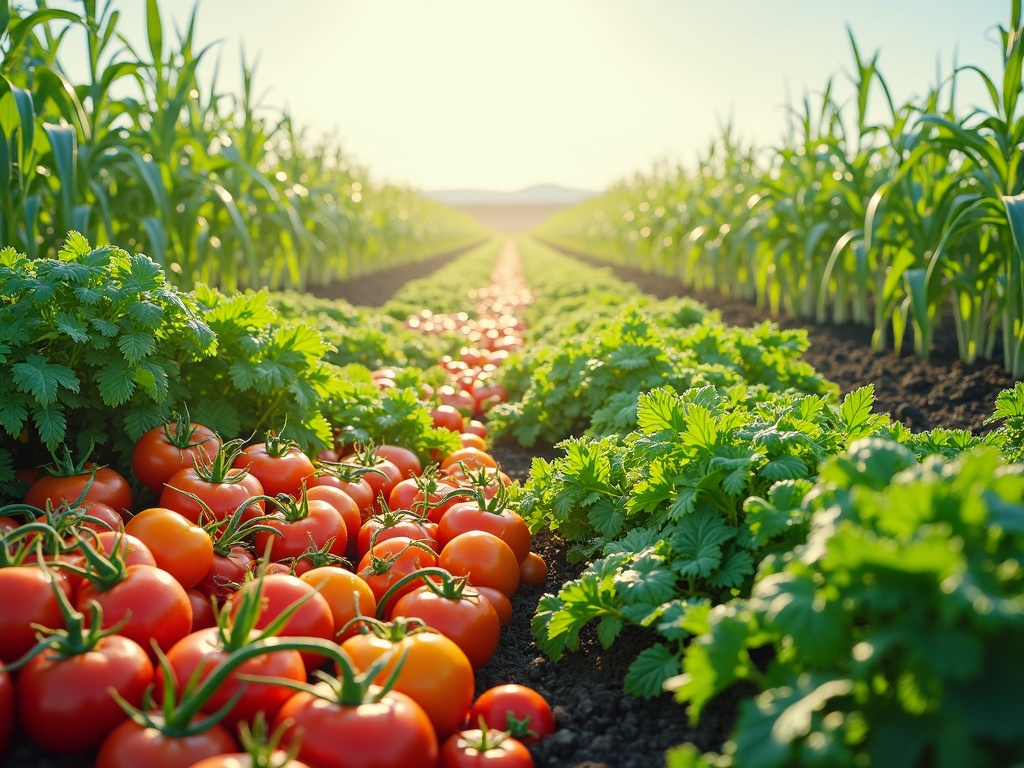
Companion planting involves strategically planting different crops together to benefit each other. Alliums are known to be good companions for a variety of plants, offering protection from pests and diseases.
Beneficial Allium Companions
**Carrots:Alliums repel carrot root flies, while carrots repel onion flies.
**Tomatoes:Alliums deter aphids and other pests that can damage tomato plants.
**Brassicas (Cabbage, Broccoli, Kale):Alliums can help to control cabbage moths and other pests that attack brassicas.
**Lettuce:Alliums deter slugs and snails, which can be a problem for lettuce.
**Strawberries:Alliums can help to protect strawberries from fungal diseases.
Plants to Avoid Planting Near Alliums
**Beans and Peas:Alliums can inhibit the growth of beans and peas.
**Asparagus:Alliums can stunt the growth of asparagus.
**Sage:Sage and alliums can negatively impact each other's growth.
By incorporating companion planting into your garden, you can further enhance the benefits of crop rotation and create a more resilient and productive ecosystem.
Soil Preparation and Management for Alliums
Regardless of your crop rotation plan, proper soil preparation and management are essential for growing healthy alliums. Alliums prefer well-drained soil with a pH between 6.0 and 7.0.
Essential Soil Preparation Steps
**Soil Testing:Before planting, conduct a soil test to determine the nutrient levels and pH of your soil. This will help you to identify any deficiencies or imbalances that need to be addressed. You can often get a soil test kit at your local garden center, or through your county's extension office.
**Amendments:Based on the soil test results, amend the soil with compost, aged manure, or other organic matter to improve its fertility and drainage.
**Fertilizers:Alliums are heavy feeders, so they benefit from regular fertilization. Use a balanced fertilizer or a fertilizer specifically formulated for onions and garlic.
**Weed Control:Keep the area around your alliums free of weeds, as weeds can compete for nutrients and water.
**Watering:Water your alliums regularly, especially during dry periods.
**Mulching:Apply a layer of mulch around your alliums to help retain moisture, suppress weeds, and regulate soil temperature.
Troubleshooting Common Allium Problems
Even with the best crop rotation plan and soil management practices, you may still encounter problems when growing alliums. Here are some common issues and how to address them:
Pests
**Onion Maggots:These small, white larvae feed on the roots of onions and other alliums. To control onion maggots, use row covers to prevent adult flies from laying eggs near your plants. You can also use beneficial nematodes to attack the larvae in the soil.
**Thrips:These tiny insects can cause damage to allium leaves, resulting in stunted growth and reduced yields. To control thrips, use insecticidal soap or neem oil.
**Wireworms:These soil-dwelling larvae can damage the roots and bulbs of alliums. To control wireworms, use beneficial nematodes or till the soil in the fall to expose the larvae to predators.
Diseases
**White Rot:This fungal disease can cause the leaves of alliums to turn yellow and die. To prevent white rot, practice good crop rotation and avoid planting alliums in the same location for several years. You can also use disease-resistant varieties.
**Downy Mildew:This fungal disease can cause yellow spots on allium leaves, eventually leading to leaf death. To prevent downy mildew, provide good air circulation and avoid overhead watering. You can also use copper-based fungicides.
**Purple Blotch:This fungal disease can cause purple lesions on allium leaves. To prevent purple blotch, practice good crop rotation and avoid overhead watering. You can also use fungicides.
Nutrient Deficiencies
**Nitrogen Deficiency:Yellowing of older leaves. Solution: Apply a nitrogen-rich fertilizer.
**Phosphorus Deficiency:Stunted growth and purplish leaves. Solution: Apply a phosphorus-rich fertilizer.
**Potassium Deficiency:Scorched leaf tips and edges. Solution: Apply a potassium-rich fertilizer.
By being aware of these potential problems and taking proactive steps to address them, you can minimize their impact on your allium crop.
Extending Your Allium Harvest
One of the great things about alliums is that you can harvest them at different stages of growth, extending your harvest season.
Harvesting Strategies
**Green Onions/Scallions:Harvest these when the stems are about 6-8 inches tall.
**Bulb Onions:Harvest when the tops begin to fall over and turn brown.
**Garlic:Harvest when the lower leaves start to turn yellow and brown.
**Leeks:Harvest when they are about 1-2 inches in diameter.
**Chives:Harvest regularly by snipping off the leaves as needed.
Storing Alliums for Later Use
**Onions and Garlic:Cure them by laying them out in a dry, well-ventilated area for several weeks. Once cured, store them in a cool, dry place.
**Leeks:Store them in the refrigerator, wrapped in a damp paper towel.
**Chives:Freeze them or dry them for later use.
With careful planning and proper storage, you can enjoy fresh, homegrown alliums throughout the year. You can find quality seeds for your allium crop rotation at [externalLink insert].
Conclusion: A Healthier Garden Through Allium Crop Rotation
Implementing allium crop rotation may seem daunting at first, but the benefits are well worth the effort. By understanding the principles of crop rotation, designing a plan that suits your garden, and properly managing your soil, you can create a healthier and more productive garden that yields abundant harvests of flavorful alliums. So, take the plunge, embrace the power of crop rotation, and watch your garden thrive! Remember, every season is a learning opportunity, so don't be afraid to experiment and adapt your plan as needed. Happy gardening!