
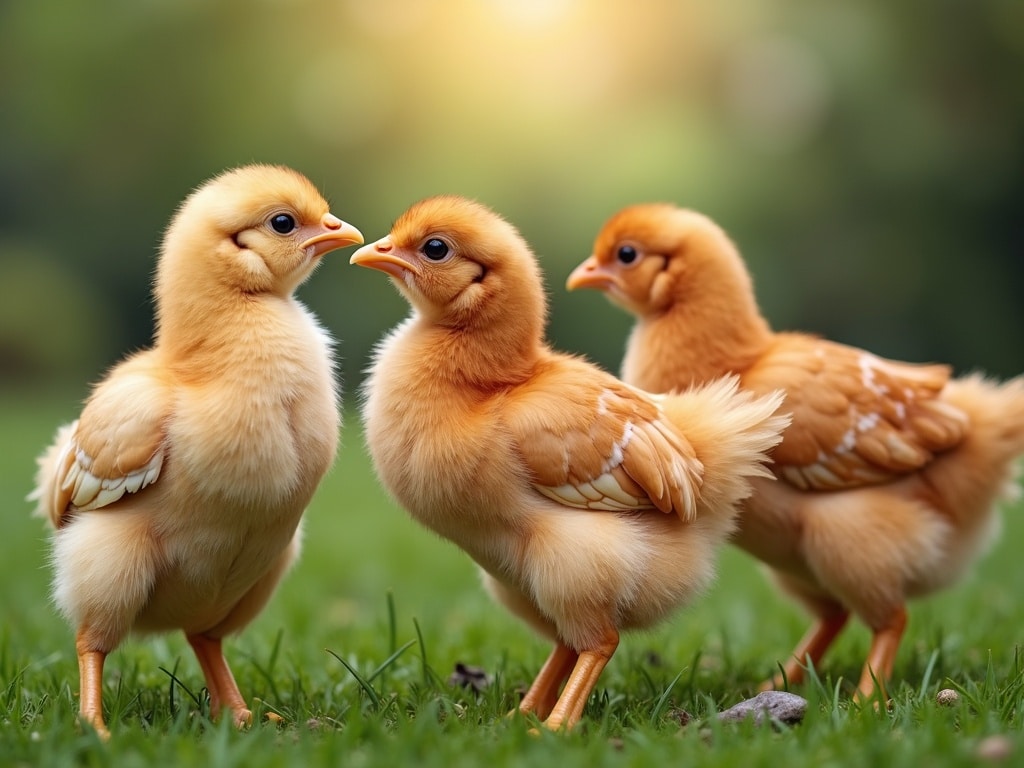
When Can Chicks Go Outside? A Comprehensive Guide to Outdoor Acclimation
The fluffy, endearing charm of baby chicks often inspires a burning question in new chicken keepers: “When can these little balls of fluff finally explore the great outdoors?” It’s a valid and vital question, as rushing the process can be detrimental to their health and survival. Unlike adult chickens, chicks are highly susceptible to temperature changes and predators. This comprehensive guide will walk you through the crucial factors determining when your chicks are ready to venture outside, ensuring a smooth and safe transition.
Understanding a Chick’s Development: Why Timing Matters
Before diving into specific timelines, it’s important to understand the developmental stages of a chick and how these stages dictate their readiness for the outdoors. Chicks are born without the ability to regulate their body temperature effectively. They rely entirely on external heat sources, primarily their mother hen or a brooder setup, to stay warm. Their immune systems are also still developing, making them vulnerable to diseases and parasites that adult chickens can easily withstand.
The First Few Weeks: Brooder Dependence
During the first few weeks of life, chicks are entirely dependent on the brooder for warmth, food, and water. The brooder provides a controlled environment, typically heated with a heat lamp or plate, maintaining a temperature of around 95°F (35°C) for the first week. Without this warmth, chicks can quickly become chilled, leading to a weakened immune system and increased susceptibility to illness, a condition known as pasting up, where their vents become blocked with feces, is quite common and needs diligent management and care. The brooder also protects them from drafts, predators, and the elements.
Feather Development and Temperature Regulation
Down feathers, the soft, fluffy covering chicks are born with, provide minimal insulation. As chicks grow, they gradually develop their adult feathers. These feathers are crucial for regulating their body temperature and protecting them from the elements. The development of these feathers is a key indicator of their readiness for spending time outdoors. Observe your chicks closely for signs of feather growth on their wings, backs, and chests. As they grow in, you can slowly decrease the brooder temperature by about 5 degrees each week, accustoming them to a lower temp. A chick’s behavior is a strong indicator. If they huddle under the lamp constantly, they may need more heat, but if they move away from it, they may be too hot.
Key Factors Determining When Chicks Can Go Outside
Several factors play a crucial role in determining when your chicks are ready to transition to the outdoors. These include their age, feather development, the ambient temperature, the weather conditions, and the availability of secure shelter.
Age and Feather Development: A General Guideline
While there’s no one-size-fits-all answer, a general guideline is that chicks can start venturing outside for short periods when they are around 4-6 weeks old, provided they are fully feathered and the weather conditions are favorable. Full feathering means that they have developed a complete covering of adult feathers over their body, not just patches of feathers. This usually occurs around 6 weeks.
Ambient Temperature: The Goldilocks Zone
The ambient temperature is a critical factor. Chicks are highly susceptible to cold temperatures, especially when they are young. The ideal temperature for introducing chicks to the outdoors is above 70°F (21°C). Avoid introducing them to the outdoors on days when the temperature is expected to drop significantly, even if it’s warm during the day. A sudden cold snap can be detrimental to their health.
Weather Conditions: Avoiding the Extremes
Weather conditions play a significant role in determining when chicks can go outside. Avoid introducing them to the outdoors during periods of rain, wind, or extreme heat. Rain can quickly chill chicks, leading to hypothermia. Wind can also make them feel colder than the actual temperature. Extreme heat can cause heat stress, which can be deadly for young chicks. Sunny days with gentle breezes are ideal for introducing chicks to the outdoors.
Secure Shelter: Protection from the Elements and Predators
Before introducing chicks to the outdoors, ensure they have access to a secure shelter that protects them from the elements and predators. This shelter should be draft-free, dry, and provide shade from the sun. A small coop or run with a covered area is ideal. The shelter should also be predator-proof, with wire mesh covering all openings to prevent access by foxes, raccoons, and other predators. Consider raising the shelter slightly off the ground to help prevent dampness and improve ventilation.
A Step-by-Step Guide to Acclimating Chicks to the Outdoors
Introducing chicks to the outdoors should be a gradual process, allowing them to adjust to the new environment and temperature changes. Here’s a step-by-step guide to help you acclimate your chicks successfully:
Step 1: Short Supervised Outings (4-6 Weeks Old)
Once your chicks are around 4-6 weeks old and fully feathered, you can start introducing them to the outdoors for short, supervised periods. Choose a warm, sunny day with no wind or rain. Place them in a secure run or pen in a grassy area where they can explore and forage. Supervise them closely to ensure they don't get chilled or harassed by other birds. Start with 15-30 minutes and gradually increase the time they spend outside each day.
Step 2: Providing a Transition Space
Before their full introduction to the coop, you can set up a transitional space. A wire dog crate or a small separate pen attached to the coop can work well. This lets the chicks see and smell the older chickens without direct contact, reducing potential bullying. Place their food and water in this space to encourage them to use it.
Step 3: Monitoring Their Behavior
Observe your chicks closely for signs of distress or discomfort. If they huddle together, shiver, or appear lethargic, they are likely too cold and need to be returned to the brooder immediately. If they pant or hold their wings away from their bodies, they may be too hot and need access to shade and water. Also, watch for signs of bullying from older chickens if they are within sight. Early intervention is crucial to prevent injury or death.
Step 4: Gradually Increasing Outdoor Time
As your chicks adjust to the outdoors, gradually increase the amount of time they spend outside each day. If the weather remains favorable, you can eventually leave them outside for the entire day, bringing them back into the brooder or a secure shelter at night. This gradual acclimation allows them to develop their natural instincts and build their immune systems.
Step 5: Overnight Stays (6-8 Weeks Old)
When your chicks are around 6-8 weeks old and the nighttime temperatures are consistently above 60°F (15°C), they can start spending the night outdoors in their coop. Ensure the coop is well-insulated and draft-free. Provide plenty of bedding material, such as straw or wood shavings, to help them stay warm. Continue to monitor them closely for signs of distress during the first few nights.
Discover Proven Techniques to Preserve Your Food Year-Round and Enjoy Less Waste with More Freshness
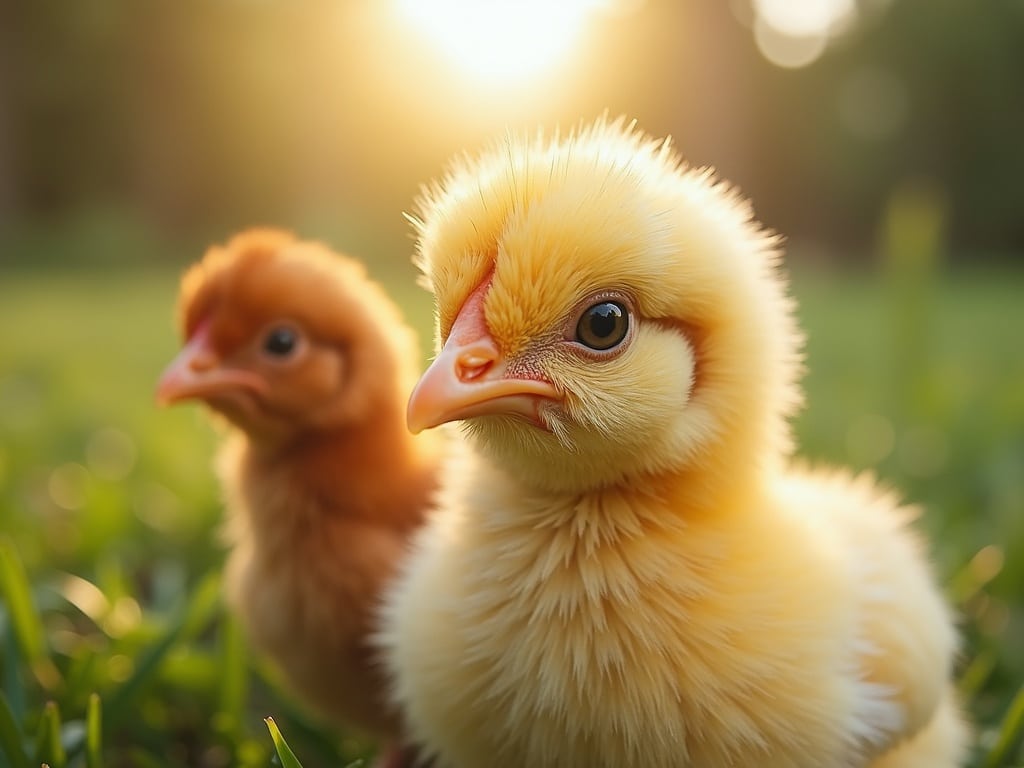
Potential Hazards of Introducing Chicks to the Outdoors Too Early
Introducing chicks to the outdoors too early can expose them to several potential hazards, including:
Hypothermia
Chicks are highly susceptible to hypothermia, especially when they are young. Exposure to cold temperatures can quickly lower their body temperature, leading to a weakened immune system and increased susceptibility to illness. In severe cases, hypothermia can be fatal.
Predators
Chicks are vulnerable to predators, such as foxes, raccoons, hawks, and even domestic cats and dogs. Without adequate protection, they can easily become prey. Ensure their outdoor enclosure is secure and predator-proof.
Disease
The outside world is filled with microorganisms, and young chicks have underdeveloped immune systems. Introducing them to unsanitized environments can lead to diseases they aren't yet equipped to fight off.
Parasites
Chicks are susceptible to parasites, such as mites, lice, and worms. Exposure to contaminated soil or bedding can lead to infestations. Regularly check your chicks for signs of parasites and treat them promptly if necessary.
Sunburn
Surprisingly, chicks can get sunburned! This is especially true for breeds with lighter plumage. Providing ample shade is crucial to protect them from the sun's harmful rays.
Tips for Creating a Safe and Enriching Outdoor Environment for Chicks
Creating a safe and enriching outdoor environment is essential for the health and well-being of your chicks. Here are some tips to help you create the perfect outdoor space:
Providing Adequate Shelter
Ensure your chicks have access to a secure shelter that protects them from the elements and predators. The shelter should be draft-free, dry, and provide shade from the sun. A small coop or run with a covered area is ideal.
Protecting from Predators
Predator-proofing your chicks' outdoor enclosure is crucial for their safety. Use wire mesh to cover all openings, including the top of the run. Bury the wire mesh a few inches into the ground to prevent predators from digging underneath. Consider using motion-activated lights or a security camera to deter predators.
Providing Shade and Water
Chicks need access to shade and fresh water at all times, especially during warm weather. Provide a shaded area in their run, such as a tarp or a tree. Ensure their water is clean and readily available. Consider using a chicken waterer to prevent them from spilling or contaminating their water.
Offering Dust Baths
Dust baths are essential for chickens' hygiene. They help to remove parasites and keep their feathers clean. Provide a designated dust bath area in their run, filled with dry soil, sand, or wood ash. [externalLink insert] You can even add diatomaceous earth to the dust bath to help control parasites.
Enrichment Activities
Provide enrichment activities to keep your chicks entertained and prevent boredom. Hang a cabbage or lettuce head from the roof of their run for them to peck at. Provide a pile of leaves or straw for them to scratch and forage in. Scatter treats, such as mealworms or sunflower seeds, in their run to encourage foraging behavior.
Integrating Chicks with an Existing Flock: A Gradual Process
Introducing new chicks to an established flock requires patience and careful management. Chickens have a natural pecking order, and integrating new birds can disrupt this order, leading to bullying and stress.
Here's how to ensure a smooth integration:
Quarantine
Always quarantine new chicks (or any new chickens) for at least 30 days before introducing them to your existing flock. This prevents the spread of potential diseases or parasites.
Visual Introduction
Before physical introduction, let the chicks and adult chickens see each other through a wire fence or in separate but adjacent runs. This allows them to become accustomed to each other's presence and establish a new pecking order with minimal physical conflict. As mentioned above, a transitional space would be beneficial to their acclimation.
Supervised Introductions
After a week or two of visual introduction, start with short, supervised introductions in a neutral area. Observe their behavior closely. If bullying occurs, separate them immediately and try again later.
Nighttime Integration
A less stressful method is to place the chicks in the coop with the adult chickens at night, while they are roosting and less active. By morning, they will have likely accepted the chicks as part of the flock.
Ample Space
Ensure your coop and run provide ample space for all your chickens. Overcrowding can lead to increased stress and aggression.
Recognizing and Addressing Common Health Issues in Young Chicks
Even with the best care, young chicks can be susceptible to certain health issues. Recognizing these issues early and taking prompt action can significantly improve their chances of recovery.
Pasty Butt (Pasted Vent)
This is a common problem in young chicks, where their vent becomes blocked with dried feces. It can be caused by stress, improper brooder temperature, or dehydration. Gently clean the vent with a warm, damp cloth and ensure the chick is drinking enough water. Adding electrolytes to their water can also help.
Coccidiosis
This parasitic disease affects the intestines and can cause diarrhea, lethargy, and weight loss. It is more common in chicks raised on the ground. Consult with a veterinarian for appropriate treatment options.
Mareks Disease
This viral disease can cause tumors and paralysis. Many hatcheries offer vaccinated chicks. Maintain good hygiene and biosecurity to minimize the risk of infection.
Respiratory Issues
Chicks are prone to respiratory infections, especially if the brooder is dusty or poorly ventilated. Symptoms include coughing, sneezing, and nasal discharge. Ensure the brooder is clean and well-ventilated and consult with a veterinarian if symptoms persist.
Leg Problems
Leg problems, such as spraddle leg or curled toes, can be caused by nutritional deficiencies or injuries. Provide a balanced diet and ensure the brooder floor is not slippery. Seek veterinary advice if you notice any leg abnormalities.
Conclusion: Patience and Observation are Key
Determining when chicks can go outside is not an exact science. It depends on a variety of factors, including their age, feather development, the ambient temperature, and the weather conditions. By following the guidelines outlined in this article and observing your chicks closely, you can ensure a safe and successful transition to the outdoors. Remember, patience is key. Rushing the process can have detrimental consequences for your chicks' health and well-being. By taking the time to acclimate them gradually and provide a safe and enriching environment, you can help them thrive and grow into healthy, happy adult chickens.