
Growing Herbs from Cuttings: A Comprehensive Guide
Imagine cloning your favorite herbs, expanding your garden without spending a fortune on new plants. It's not a gardener's fantasy—it's the reality of growing herbs from cuttings. This method is an easy, efficient, and rewarding way to propagate your favorite aromatic plants. Whether you're a seasoned green thumb or a beginner just starting, this guide will provide you with all the knowledge and step-by-step instructions to successfully grow herbs from cuttings.
Why Propagate Herbs from Cuttings?
Before we delve into the how, let's consider the why. Why choose cuttings over seeds or buying established plants? Here are several compelling reasons:
**Cost-Effective:Growing from cuttings drastically reduces the cost of expanding your herb garden. You're essentially creating new plants from existing ones, eliminating the need to purchase new seedlings.
**Genetic Consistency:Cuttings produce clones of the parent plant. This means the new plants will have the exact same characteristics, such as flavor, fragrance, and growth habit, as the original. This is especially valuable if you have a particularly robust or flavorful plant.
**Faster Growth:Cuttings often establish themselves and mature faster than plants grown from seed. They bypass the germination stage and can quickly develop into productive plants.
**Easy Propagation:Many herbs are incredibly easy to propagate from cuttings, making it a simple and satisfying project for gardeners of all skill levels.
**Year-Round Propagation:Depending on your climate and growing conditions, you can propagate herbs from cuttings at various times throughout the year, extending your growing season.
**Space Saving:If you only need a few new plants, cuttings are a great way to get them without using a lot of space.
Understanding the Types of Cuttings
Not all cuttings are created equal! Different types of cuttings are taken from various parts of the plant and treated accordingly. Understanding these differences is crucial for success. The most common types of cuttings used for herb propagation are:
**Softwood Cuttings:Taken from the new, soft growth of the plant, typically in the spring or early summer. These cuttings root quickly but are also more susceptible to drying out. Examples of herbs that root well from softwood cuttings include mint, oregano, and lemon balm.
**Semi-hardwood Cuttings:Taken from partially matured growth, usually in late summer or early fall. These cuttings are sturdier than softwood cuttings and less prone to wilting. Rosemary, sage, and thyme are often propagated using semi-hardwood cuttings.
**Hardwood Cuttings:Taken from dormant, mature growth in late fall or winter. These cuttings require a longer rooting period and are best suited for woody herbs like lavender and bay laurel.
**Tip Cuttings:Cuttings taken from the very tip of a stem. These tend to root readily and make great starter plants.
**Stem Cuttings:Cuttings taken from the length of a stem, usually with several leaf nodes
The best type of cutting to use depends on the specific herb and the time of year. Researching the optimal method for each herb will greatly increase your chances of success.
Essential Tools and Materials
Before you begin, gather your tools and materials. Having everything ready will streamline the process and improve your success rate:
**Sharp, Clean Pruning Shears or Knife:Sharp tools are essential for making clean cuts that heal quickly and prevent disease. Disinfect your tools with rubbing alcohol or a bleach solution (1 part bleach to 9 parts water) before use.
**Rooting Hormone (Optional):Rooting hormone contains auxins, plant hormones that promote root development. While not always necessary, rooting hormone can significantly increase the speed and success rate of rooting, especially for slower-rooting herbs like rosemary and lavender.
**Rooting Medium:A well-draining rooting medium is crucial. Options include:
Seed starting mix: A fine-textured mix designed for germinating seeds, also suitable for cuttings.
Perlite: A lightweight, sterile volcanic glass that provides excellent drainage and aeration.
Vermiculite: A mineral that retains moisture and nutrients, ideal for cuttings that prefer a slightly moist environment.
Sand: Horticultural sand (coarse sand) can be mixed with other media to improve drainage.
Coco coir: Made from coconut husks, coco coir retains moisture well and provides good aeration.
A mixture of peat moss and perlite can work well, too.
**Containers:Small pots, seedling trays, or even repurposed yogurt containers work well. Ensure the containers have drainage holes to prevent waterlogging.
**Clear Plastic Bags or Humidity Dome:Covering your cuttings with a plastic bag or placing them in a humidity dome creates a humid environment that reduces water loss and encourages rooting.
**Spray Bottle:For misting the cuttings to keep them hydrated.
**Labels and Marker:To label your cuttings with the herb name and date.
**Water:Use clean, filtered, or distilled water, especially if your tap water is heavily chlorinated.
**Gloves (Optional):To protect your hands and prevent the spread of diseases.
**Heat Mat (Optional):Providing bottom heat can speed up rooting, especially in cooler climates.
Step-by-Step Guide to Growing Herbs from Cuttings
Now, let's walk through the process of growing herbs from cuttings. This guide provides general instructions applicable to most herbs, but remember to research specific needs for individual species.
**Step 1: Preparing the Cuttings**
1. **Select a Healthy Parent Plant:Choose a healthy, vigorous plant free from pests and diseases.
2. **Take the Cuttings:Using your sharp, clean pruning shears or knife, take cuttings that are 4-6 inches long. Make the cut just below a node (the point where leaves emerge from the stem). The best time of day to take cuttings is in the morning when the plant is well-hydrated.
3. **Remove Lower Leaves:Remove the leaves from the bottom 1-2 inches of the cutting. This prevents the leaves from rotting and encourages root development.
4. **Prepare the Cutting (Optional):Some gardeners gently scrape the bottom inch of the stem with a knife to encourage root formation. This step is not always necessary but can be beneficial for some herbs.
5. **Apply Rooting Hormone (Optional):If using rooting hormone, dip the cut end of the cutting into the hormone powder or solution, following the product instructions. Tap off any excess hormone.
**Step 2: Planting the Cuttings**
1. **Prepare the Rooting Medium:Moisten the rooting medium with water until it is evenly damp but not soggy.
2. **Fill the Containers:Fill the containers with the prepared rooting medium.
3. **Plant the Cuttings:Use a pencil or dibber to create a hole in the rooting medium, then insert the cutting into the hole, ensuring that the bottom node is buried. Gently firm the soil around the cutting. Avoid pushing the cutting directly into the medium, as this can damage the stem and hinder root development.
4. **Water the Cuttings:Gently water the cuttings to settle the rooting medium around the stems.
**Step 3: Creating a Humid Environment**
1. **Cover the Cuttings:Place a clear plastic bag over the container, creating a mini-greenhouse. Alternatively, use a humidity dome. Ensure the bag or dome does not touch the leaves of the cuttings, as this can promote fungal growth. You can use skewers or popsicle sticks to keep the plastic bag elevated.
2. **Mist the Cuttings:Mist the cuttings with water to maintain humidity.
3. **Place in a Bright, Indirect Light:Place the cuttings in a location with bright, indirect light. Avoid direct sunlight, which can overheat the cuttings and cause them to dry out. An east-facing window is often ideal.
**Step 4: Caring for the Cuttings**
1. **Monitor Humidity:Check the humidity levels regularly. If the inside of the bag or dome is consistently dry, mist the cuttings more frequently. If there is excessive condensation, open the bag or dome for a short period each day to allow for ventilation.
2. **Water as Needed:Keep the rooting medium consistently moist but not soggy. Water when the top inch of the medium feels dry to the touch.
3. **Check for Root Development:After a few weeks, gently check for root development by tugging lightly on the cuttings. If you feel resistance, roots have formed.
4. **Ventilate Gradually:Once roots have developed, gradually acclimate the cuttings to lower humidity levels by opening the bag or dome for increasingly longer periods each day. This helps the plants adjust to the outdoor environment.
**Step 5: Transplanting the Cuttings**
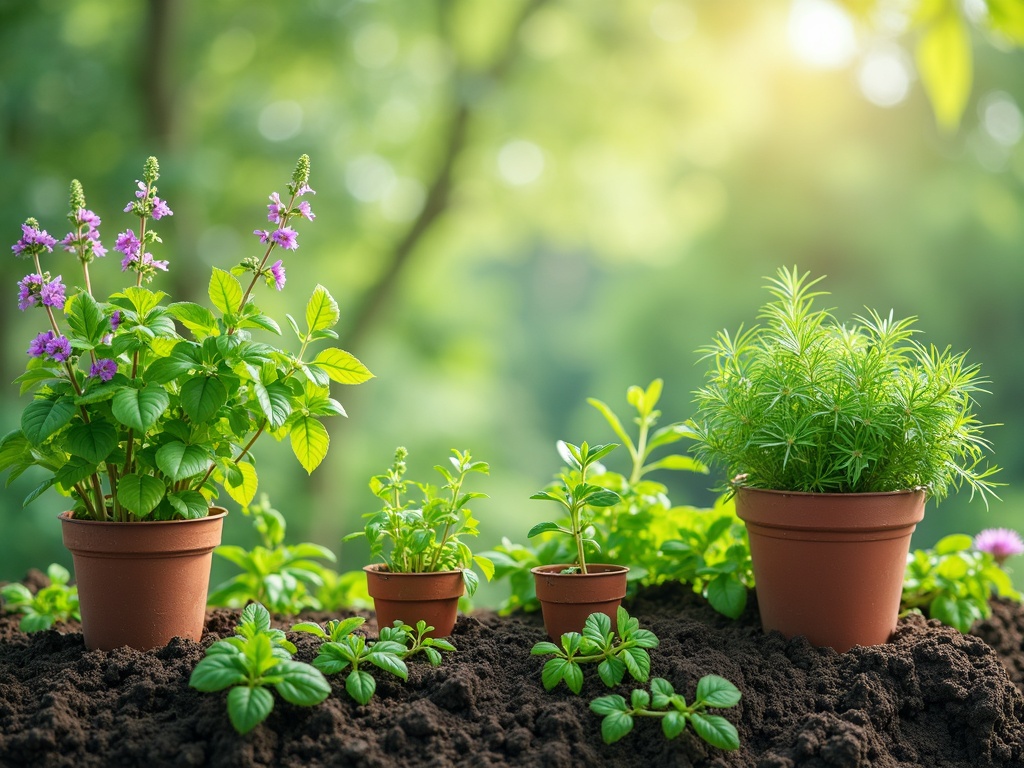
1. **Prepare Pots:Once the cuttings have developed a strong root system, they are ready to be transplanted into individual pots. Choose pots that are slightly larger than the original containers.
2. **Use Well-Draining Potting Mix:Use a high-quality, well-draining potting mix.
3. **Gently Remove the Cuttings:Carefully remove the rooted cuttings from the rooting medium, being careful not to damage the roots.
4. **Plant the Cuttings:Plant each cutting in its own pot, ensuring that the roots are covered with potting mix.
5. **Water Thoroughly:Water the newly transplanted cuttings thoroughly.
6. **Place in a Protected Location:Place the pots in a protected location with bright, indirect light.
7. **Gradually Acclimate to Outdoor Conditions:Over the next week or two, gradually acclimate the plants to outdoor conditions by exposing them to increasing amounts of sunlight and wind.
8. **Plant in the Garden:Once the plants are well-established and have adjusted to outdoor conditions, they can be planted in the garden or in larger containers.
Specific Herb Propagation Tips
While the general steps above apply to most herbs, here are some specific tips for propagating popular herbs:
**Mint:Mint is incredibly easy to propagate from softwood cuttings. It roots quickly in water or directly in the rooting medium. Be aware that mint is invasive, so it is best grown in containers.
**Rosemary:Rosemary can be a bit more challenging to root. Use semi-hardwood cuttings and rooting hormone. Provide bottom heat to encourage root development.
**Lavender:Lavender is also a slow-rooting herb. Use hardwood cuttings taken in the fall or winter. Provide good drainage and avoid overwatering.
**Sage:Sage roots relatively easily from semi-hardwood cuttings. Ensure good air circulation to prevent fungal diseases.
**Thyme:Thyme roots readily from softwood or semi-hardwood cuttings. Prune regularly to maintain a compact shape.
**Basil:Basil roots easily from softwood cuttings. Place the cuttings in water or directly in the rooting medium. Pinch off flower buds to encourage vegetative growth.
**Oregano:Oregano roots quickly from softwood cuttings. It is a vigorous grower and can be easily propagated.
**Lemon Balm:Lemon balm roots readily from softwood cuttings. It is a fast-growing herb and can become invasive, so keep it contained.
**Chives:Although commonly propagated by division, chives can also be grown from cuttings, though it is less common.
**Stevia:Growing stevia from cuttings is possible, and because stevia seeds have a low germination rate, many people prefer this method.
Troubleshooting Common Problems
Even with the best intentions, problems can arise when growing herbs from cuttings. Here are some common issues and how to address them:
**Cuttings Wilting:Wilting is usually caused by low humidity or insufficient moisture. Ensure the cuttings are in a humid environment and that the rooting medium is consistently moist. Mist the cuttings more frequently.
**Cuttings Rotting:Rotting is often caused by overwatering or poor drainage. Ensure the rooting medium is well-draining and avoid overwatering. Remove any leaves that are touching the medium.
**Lack of Root Development:Lack of root development can be caused by several factors, including using the wrong type of cutting, insufficient light, or lack of rooting hormone. Ensure you are using the appropriate type of cutting for the herb, provide bright, indirect light, and consider using rooting hormone.
**Fungal Diseases:Fungal diseases can be a problem in humid environments. Ensure good air circulation by opening the bag or dome regularly. Use a fungicide if necessary.
**Pests:While less common, pests can sometimes infest cuttings. Inspect the cuttings regularly for signs of pests and treat accordingly.
Advanced Techniques for Herb Propagation
Once you've mastered the basics of growing herbs from cuttings, you can explore some advanced techniques to further enhance your propagation success.
**Using a Heat Mat:Providing bottom heat can significantly speed up root development, especially for slower-rooting herbs like rosemary and lavender. A heat mat provides a consistent source of warmth that encourages root growth.
**Air Layering:Air layering is a technique where roots are encouraged to form on a stem while it is still attached to the parent plant. This method is particularly useful for woody herbs like bay laurel.
**Using a Rooting Hormone Solution:Some gardeners prefer using a rooting hormone solution rather than powder. The solution can be diluted with water and used to soak the cuttings before planting.
**Experimenting with Different Rooting Media:Don't be afraid to experiment with different rooting media to find what works best for your specific herbs and growing conditions.
**Grafting:While less common for herbs, grafting can be used to combine the desirable traits of two different plants.
**Cloning Machines:For serious propagation enthusiasts, cloning machines, sometimes called aeroponic propagators, provide a highly controlled environment with consistent misting and aeration, resulting in rapid root development.
The Rewarding World of Herb Propagation
Growing herbs from cuttings is a rewarding and cost-effective way to expand your herb garden and enjoy fresh, flavorful herbs year-round. With a little practice and attention to detail, you can successfully propagate a wide variety of herbs and create a thriving garden that provides you with an abundance of culinary and medicinal delights. So grab your pruning shears, select your favorite herbs, and embark on the exciting journey of herb propagation!