

How to Preserve Food: A Complete Guide to Extending Shelf Life and Reducing Waste
Imagine a world where fresh, vibrant produce remains at your fingertips, even when the seasons shift and the local farmer's market closes its doors. This isn't a fantasy; it's the reality unlocked by mastering the art of food preservation. For centuries, cultures across the globe have developed ingenious methods to safeguard their harvests, ensuring sustenance and flavor throughout the year. Today, with concerns about food waste and a desire for greater self-sufficiency, the ability to preserve food is more relevant than ever. This comprehensive guide will equip you with the knowledge and skills to confidently extend the shelf life of your favorite foods, reduce waste, and enjoy the bounty of each season, long after it's gone.
Why Preserve Food? Unveiling the Benefits
Before diving into the how, let's explore the compelling why behind food preservation. The advantages extend far beyond simply having food available out of season. Here's a glimpse at the multifaceted benefits:
- Reduces Food Waste: A staggering amount of food is wasted globally. Preservation allows you to salvage surplus produce, preventing it from ending up in landfills and contributing to environmental problems.
- Saves Money: By preserving food during peak season when prices are low, you can significantly reduce your grocery bills throughout the year.
- Enjoy Seasonal Flavors Year-Round: Craving summer's juicy tomatoes in the dead of winter? Preservation makes it possible to savor the tastes of each season whenever you desire.
- Increases Self-Sufficiency: Take control of your food supply and reduce your reliance on commercial food systems. Preserving your own food empowers you to be more independent and resilient.
- Preserves Nutrients: When done correctly, many preservation methods help retain the nutritional value of food, ensuring you're getting the vitamins and minerals you need.
- Allows for Creative Cooking: Preserved foods offer unique flavors and textures that can elevate your culinary creations. Experiment with pickled vegetables, homemade jams, and sun-dried tomatoes to add depth and complexity to your meals.
The Science of Spoilage: Understanding the Enemy
To effectively combat spoilage, it's crucial to understand its root causes. Food spoilage is primarily driven by three factors:
- Microorganisms: Bacteria, yeasts, and molds are the most common culprits. These tiny organisms thrive in moist, warm environments and break down food, causing it to rot.
- Enzymes: Naturally present in food, enzymes can continue to act even after harvesting, leading to changes in color, texture, and flavor.
- Oxidation: Exposure to oxygen can cause undesirable changes, such as browning in fruits and vegetables and rancidity in fats.
Food preservation techniques aim to inhibit or eliminate these spoilage agents, extending the shelf life of food.
Methods of Food Preservation: A Comprehensive Overview
From ancient techniques passed down through generations to modern scientific advancements, a diverse range of food preservation methods exist. Here's a detailed exploration of the most popular and effective options:
Canning: Sealing in Freshness
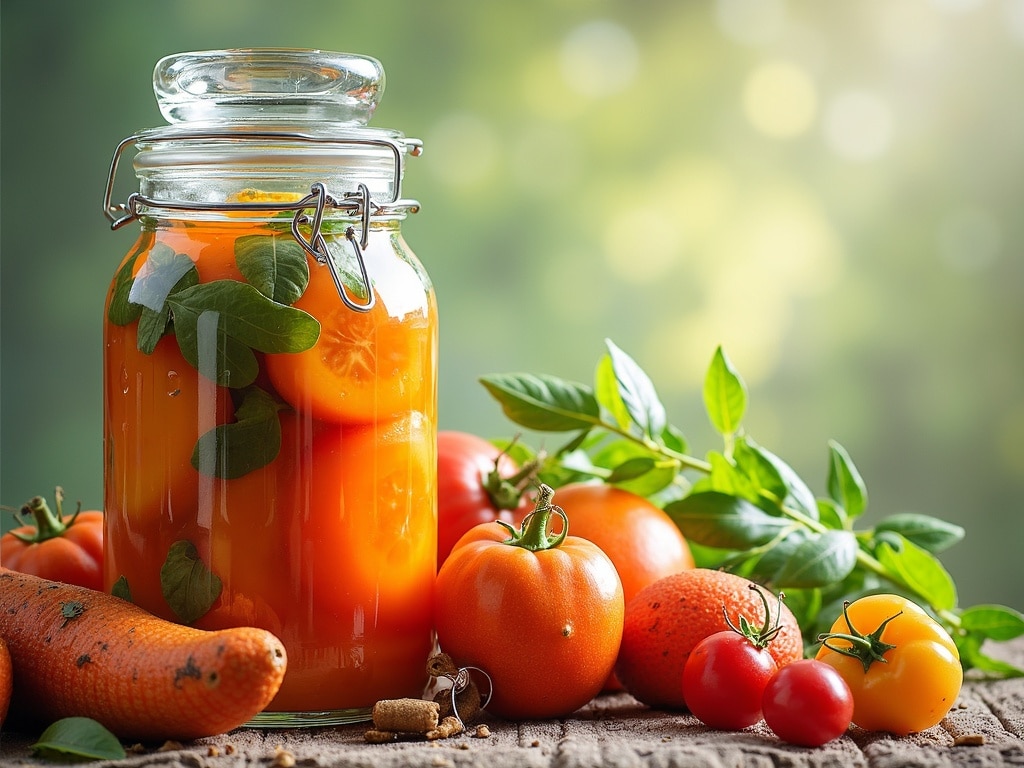
Canning involves sealing food in airtight containers (jars) and then heating them to a temperature that destroys harmful microorganisms and enzymes. This creates a vacuum seal that prevents spoilage. There are two main types of canning:
- Water Bath Canning: Suitable for high-acid foods like fruits, jams, jellies, pickles, and tomatoes with added acid. Jars are submerged in boiling water for a specific time.
- Pressure Canning: Essential for low-acid foods like vegetables, meats, and poultry. A pressure canner reaches higher temperatures than boiling water, ensuring the destruction of botulism spores.
Key Considerations for Canning:
- Proper Equipment: Invest in quality canning jars, lids, and a water bath or pressure canner, depending on the types of food you plan to preserve.
- Follow Tested Recipes: Adhere to scientifically tested canning recipes to ensure food safety. Modifying recipes or using untested methods can lead to spoilage and potentially dangerous toxins.
- Headspace: Leave the correct amount of headspace (the space between the food and the lid) in each jar to allow for proper sealing.
- Processing Time: Process jars for the recommended time based on the size of the jar, the type of food, and your altitude.
- Seal Testing: After processing, check each jar to ensure it has sealed properly. A properly sealed jar will have a concave lid that doesn't flex when pressed.
Freezing: A Simple and Versatile Method
Freezing is one of the easiest and most versatile methods of food preservation. Cold temperatures slow down the activity of microorganisms and enzymes, effectively halting spoilage. Most foods can be frozen, although some may experience changes in texture or flavor.
Tips for Freezing Food:
- Choose High-Quality Food: Freezing doesn't improve the quality of food; it only preserves it. Start with fresh, ripe produce and high-quality meats.
- Blanch Vegetables: Blanching (briefly boiling or steaming) vegetables before freezing deactivates enzymes that can cause discoloration, loss of flavor, and toughening.
- Proper Packaging: Use airtight freezer bags or containers to prevent freezer burn (moisture loss that causes food to become dry and leathery).
- Cool Food Before Freezing: Allow cooked food to cool completely before freezing to prevent condensation and ice crystal formation.
- Label and Date: Clearly label each package with the contents and the date to help you keep track of what you have in your freezer and use it before it spoils.
Drying: Concentrating Flavors and Extending Shelf Life
Drying (also known as dehydration) removes moisture from food, inhibiting the growth of microorganisms and enzymes. Dried foods are lightweight, compact, and shelf-stable, making them ideal for long-term storage.
Methods of Drying Food:
- Sun Drying: A traditional method that uses the sun's heat to evaporate moisture. Suitable for hot, dry climates.
- Oven Drying: Using a low oven temperature to dehydrate food. Requires careful monitoring to prevent scorching.
- Food Dehydrator: An appliance specifically designed for drying food. Provides consistent temperatures and airflow for optimal results.
Tips for Drying Food:
- Choose Mature, Ripe Produce: Fruits and vegetables should be fully ripe for the best flavor and texture.
- Slice Food Evenly: Consistent slicing ensures uniform drying.
- Pre-Treat Some Foods: Some fruits (like apples and bananas) benefit from pre-treatment with lemon juice to prevent browning.
- Store Dried Foods Properly: Store dried foods in airtight containers in a cool, dark, and dry place.
Pickling: A Tangy Transformation
Pickling involves preserving food in an acidic solution, typically vinegar or brine (saltwater). The acid inhibits the growth of spoilage microorganisms and imparts a characteristic tangy flavor. Pickling can be used to preserve a wide range of foods, including vegetables, fruits, and meats.
Types of Pickling:
- Vinegar Pickling: Using vinegar as the primary pickling agent.
- Fermented Pickling (Lacto-fermentation): Encouraging the growth of beneficial bacteria (Lactobacillus) that produce lactic acid, which preserves the food. Examples include sauerkraut and kimchi.
- Brine Pickling: Using a strong saltwater solution to inhibit spoilage.
Key Considerations for Pickling:
- Use High-Quality Ingredients: Use fresh, firm produce and high-quality vinegar and salt.
- Follow Tested Recipes: Adhere to scientifically tested pickling recipes to ensure food safety and prevent the growth of harmful bacteria.
- Proper Processing: Depending on the recipe, pickled foods may need to be processed in a water bath canner to ensure long-term shelf stability.
Salting: An Ancient Preservation Technique
Salting, one of the oldest methods of food preservation, utilizes salt to draw moisture out of food, creating an environment unfavorable to microbial growth. It's commonly used for preserving meats and fish.
Methods of Salting:
- Dry Salting: Rubbing food directly with salt.
- Brine Salting: Submerging food in a concentrated saltwater solution.
Considerations for Salting:
- Use Food-Grade Salt: Avoid using iodized salt or salt with additives, as these can affect the flavor and texture of the food.
- Control the Salt Concentration: Use the appropriate amount of salt for the type of food being preserved.
- Store Salted Foods Properly: Store salted foods in a cool, dry place.
Smoking: Flavor and Preservation Combined
Smoking involves exposing food to smoke from burning wood. The smoke contains chemicals that act as preservatives, inhibiting the growth of microorganisms and adding a distinct smoky flavor. Smoking is commonly used for preserving meats and fish.
Types of Smoking:
- Cold Smoking: Smoking food at low temperatures (below 90°F) to impart flavor without cooking it. Requires careful monitoring to prevent bacterial growth.
- Hot Smoking: Smoking food at higher temperatures (above 140°F) to both cook and preserve it.
Key Considerations for Smoking:
- Use Hardwoods: Use hardwoods like hickory, oak, or maple for smoking, as they produce the best flavor. Avoid softwoods like pine, which can impart a bitter taste.
- Control the Temperature: Maintain a consistent temperature throughout the smoking process.
- Cure Food Before Smoking: Curing (treating food with salt, sugar, and other preservatives) is often necessary before smoking to prevent bacterial growth.
Sugaring: Sweetening and Preserving
Sugaring involves preserving food in a high concentration of sugar. The sugar draws moisture out of the food, inhibiting microbial growth . Sugaring is commonly used for preserving fruits in the form of jams, jellies, and preserves.
Key Considerations for Sugaring:
- Use High-Quality Fruit: Use ripe, unblemished fruit for the best flavor and texture.
- Add Pectin: Pectin is a natural substance found in fruits that helps jams and jellies thicken. Some fruits are naturally high in pectin, while others require added pectin.
- Follow Tested Recipes: Adhere to scientifically tested sugaring recipes to ensure proper gelling and prevent spoilage.
Fermentation: Harnessing the Power of Microbes
Fermentation is a process that uses beneficial microorganisms (bacteria, yeasts, or molds) to transform food. These microorganisms consume carbohydrates in the food, producing lactic acid, alcohol, or other byproducts that inhibit the growth of spoilage organisms and create unique flavors and textures. Examples include yogurt, cheese, sauerkraut, kimchi, and kombucha.
Types of Fermentation:
- Lactic Acid Fermentation: Using lactic acid bacteria to ferment food.
- Alcoholic Fermentation: Using yeast to ferment food, producing alcohol.
- Acetic Acid Fermentation: Using acetic acid bacteria to ferment food, producing vinegar.
Key Considerations for Fermentation:
- Maintain a Clean Environment: Use clean equipment and utensils to prevent the growth of undesirable microorganisms.
- Control the Temperature: Maintain the correct temperature for the specific fermentation process.
- Use the Right Starter Culture: Some fermentation processes require a starter culture (a source of the desired microorganisms) to ensure successful fermentation.
Vacuum Sealing: Removing Oxygen for Extended Shelf Life
Vacuum sealing removes air from packages, creating an oxygen-free environment that inhibits the growth of many spoilage microorganisms. While vacuum sealing alone doesn't preserve food indefinitely, it significantly extends its shelf life when combined with other preservation methods like freezing or drying.
Tips for Vacuum Sealing:
- Use High-Quality Vacuum Sealer Bags: Choose bags specifically designed for vacuum sealing, as they are thicker and more durable than regular plastic bags.
- Cool Food Before Sealing: Allow cooked food to cool completely before vacuum sealing to prevent condensation.
- Leave Headspace: Leave some headspace in the bag, especially when sealing liquids, to allow for expansion during freezing.
Specific Food Preservation Techniques: A Practical Guide
Now, let's delve into specific examples of how to preserve various types of food:
Preserving Fruits: Capturing Summer's Sweetness
- Berries: Freeze them whole or pureed for smoothies, jams, and sauces. Dry cranberries for trail mix.
- Apples: Make applesauce, apple butter, or dried apple slices. Can apple pie filling for a taste of fall year-round.
- Peaches: Freeze sliced peaches or make peach jam, preserves, or chutney.
- Tomatoes (Botanically a fruit!): Can crushed tomatoes, tomato sauce, salsa, or sun-dry them for intense flavor.
Preserving Vegetables: Extending the Harvest
- Green Beans: Blanch and freeze them for later use in casseroles and stir-fries. Pickle them for a tangy snack.
- Corn: Freeze corn kernels or creamed corn. Dry corn to make cornmeal.
- Cucumbers: Pickle them to make classic dill pickles or sweet pickles.
- Peppers: Freeze diced peppers or roast and preserve them in olive oil. Make hot sauce or pepper jelly.
- Root Vegetables (Carrots, Potatoes, Beets): Store in a cool, dark, and dry place. Ferment beets into beet kvass. Pressure can carrots and potatoes.
Preserving Meats and Poultry: Sustaining Protein Sources
- Beef and Pork: Cure meats for jerky, bacon, or ham. Freeze raw or cooked meat. Can ground beef or stew meat.
- Poultry: Freeze whole chickens or individual pieces. Can chicken broth or shredded chicken. Make chicken jerky.
- Fish: Smoke fish for a flavorful and preserved protein source. Pickle herring or gravlax (cured salmon). Freeze fresh fish.
Preserving Herbs: Maintaining Aromatic Flavors
- Drying: Hang herbs upside down in a cool, dry place or use a dehydrator.
- Freezing: Freeze herbs in ice cube trays with water or olive oil.
- Infusing in Oil or Vinegar: Preserve herbs in oil or vinegar for flavorful dressings and marinades.
Essential Equipment for Food Preservation: Setting Yourself Up for Success
Having the right tools is crucial for safe and efficient food preservation. Here's a list of essential equipment:
- Canning Jars, Lids, and Rings: Choose jars specifically designed for canning.
- Water Bath Canner or Pressure Canner: Essential for safe canning.
- Jar Lifter: For safely removing hot jars from the canner.
- Lid Wand: For safely removing lids from hot water bath.
- Food Dehydrator (Optional): For drying fruits, vegetables, and meats.
- Vacuum Sealer (Optional): For removing air from packages.
- Freezer Bags or Containers: For freezing food.
- Thermometer: For monitoring temperatures during cooking and canning.
- Kitchen Scale: For accurately measuring ingredients.
- Cutting Boards and Knives: For preparing food.
Food Safety Guidelines: Protecting Yourself and Your Family
Food safety is paramount when preserving food. Improperly preserved food can harbor harmful bacteria that can cause serious illness, including botulism. Always follow these guidelines:
- Start with Cleanliness: Wash your hands thoroughly before handling food. Sanitize all equipment and surfaces.
- Follow Tested Recipes: Use scientifically tested recipes and adhere to the instructions carefully. Don't modify recipes unless you are absolutely sure you understand the potential safety implications. [externalLink insert]
- Use Proper Processing Times: Process food for the recommended time based on the size of the jar, the type of food, and your altitude.
- Check for Seals: After canning, check each jar to ensure it has sealed properly. Discard any jars that are not sealed.
- Be Aware of Danger Signs: Discard any canned food that shows signs of spoilage, such as bulging lids, leaks, or unusual odors.
- When in Doubt, Throw it Out: If you have any doubts about the safety of preserved food, it's always best to err on the side of caution and discard it.
Troubleshooting Common Food Preservation Problems
Even with careful planning and execution, problems can sometimes arise during food preservation. Here are some common issues and how to address them:
- Jars Not Sealing: This can be caused by insufficient headspace, uneven jar rims, or improper processing. Try again with new lids and ensure proper technique.
- Mold Growth in Pickled Foods: This is usually due to insufficient acidity. Ensure you are using the correct amount of vinegar or brine.
- Tough or Leathery Dried Foods: This can be caused by over-drying or drying at too high a temperature. Reduce the drying time or temperature in future batches.
- Freezer Burn: This is caused by moisture loss. Use airtight freezer bags or containers and remove as much air as possible.
The Future of Food Preservation: Innovations and Trends
The field of food preservation is constantly evolving, with new technologies and techniques emerging all the time. Some exciting trends include:
- High-Pressure Processing (HPP): Using high pressure to kill microorganisms and extend shelf life without heat.
- Pulsed Electric Field (PEF) Technology: Using short bursts of electricity to disrupt microbial cell membranes.
- Modified Atmosphere Packaging (MAP): Adjusting the gas composition inside packages to slow down spoilage.
- Sustainable Packaging: Developing eco-friendly packaging materials that reduce environmental impact.
Beyond Preservation: Other Methods to Extend Food's Life
Besides the traditional methods, here are some simpler steps anyone can use to extend the life of fresh food:
- Store vegetables and fruits in the crisper drawer of your refrigerator
- Wash berries in a vinegar and water solution to kill mold spores, then refrigerate
- Place cut celery, carrots and broccoli in water to keep them crisp
Conclusion: Embrace the Art of Food Preservation
Mastering the art of food preservation is a rewarding endeavor that empowers you to reduce waste, save money, enjoy seasonal flavors year-round, and become more self-sufficient. From the time-honored traditions of canning and drying to the exciting innovations of modern technology, a wealth of preservation methods awaits your exploration. By embracing these techniques and prioritizing food safety, you can unlock a world of culinary possibilities and savor the bounty of each season, long after it has passed. So, gather your ingredients, equip yourself with the knowledge from this guide, and embark on your own food preservation journey. The flavors of the seasons are waiting!