

How to Winterize a Rain Barrel: A Comprehensive Guide
The gentle patter of rain on a roof, channeled into a waiting barrel, is a satisfying sound for any gardener or environmentally conscious homeowner. Rain barrels offer a sustainable way to water gardens, wash cars, and even flush toilets in some systems. But as the leaves change and the first frost threatens, those once-lifesaving rain barrels require some attention. Knowing how to winterize a rain barrel properly is crucial to protect your investment and ensure it’s ready to spring back into action when warmer weather returns. Neglecting this vital step can lead to cracked barrels, damaged spigots, and a whole host of other problems. This comprehensive guide will walk you through everything you need to know about winterizing a rain barrel, from assessing your local climate to choosing the right methods for your specific setup.
Why Winterizing Your Rain Barrel is Essential
Before diving into the how, let's solidify the why. Why is winterizing a rain barrel not just a good idea, but an essential task? The answer boils down to the fundamental properties of water. When water freezes, it expands. This expansion can exert tremendous force, enough to crack even the sturdiest plastic or wood barrel. Imagine a tightly sealed container completely filled with water as the temperature drops below freezing. The expanding ice has nowhere to go but outward, putting immense stress on the container walls. This stress can lead to:
- Cracked Barrels: The most obvious and costly consequence. Cracks render the barrel useless until repaired or replaced.
- Damaged Spigots and Fittings: Metal or plastic spigots and connectors can also be fractured by expanding ice.
- Compromised Connections: Any hoses or connections to your rain barrel system can be weakened or broken, leading to leaks and inefficiencies.
- Stagnant Water Issues: If water is left in the barrel and only partially freezes, the remaining unfrozen water can become stagnant and potentially harbor bacteria or algae.
Beyond the physical damage, improper winterization can also shorten the lifespan of your rain barrel and require costly repairs or replacements. Taking the time to winterize properly ensures your rain barrel will last for many seasons to come.
Assessing Your Climate: The First Step
Not all winters are created equal. A homeowner in Atlanta, Georgia, will face significantly different winter conditions than someone in Minneapolis, Minnesota. Therefore, the first step in winterizing your rain barrel is to assess the specific winter conditions in your area. Consider these factors:
- Minimum Temperatures: What are the average and extreme minimum temperatures your area experiences during the winter months? This will dictate how thoroughly you need to protect your barrel.
- Frequency of Freeze-Thaw Cycles: Areas with frequent freeze-thaw cycles can be particularly hard on rain barrels. The constant expansion and contraction of water can accelerate damage.
- Snowfall: Heavy snowfall can add extra weight and pressure to your rain barrel system, potentially causing structural problems.
- Duration of Freezing Temperatures: How long does the temperature typically stay below freezing in your area? A short cold snap requires less preparation than a prolonged period of sub-freezing temperatures.
Consulting historical weather data for your location (available from sources like the National Weather Service) will give you a good understanding of the winter conditions your rain barrel is likely to face. This information will help you determine the most appropriate winterization methods.
Step-by-Step Guide to Winterizing Your Rain Barrel
Once you've assessed your local climate, you can begin the actual winterization process. This typically involves several key steps, which we'll outline below:
1. Emptying the Rain Barrel Completely
This is the most crucial step. As we've discussed, water expands when it freezes, and this expansion is the primary cause of rain barrel damage. Emptying the barrel eliminates this risk. There are several ways to empty your rain barrel:
- Using the Spigot: The simplest method is to open the spigot and allow the water to drain out. Make sure to direct the water away from your foundation to prevent water damage.
- Siphoning: If your barrel doesn't have a spigot or the spigot is located too high, you can use a siphon to drain the water.
- Pumping: A small submersible pump can be used to quickly empty the barrel.
Regardless of the method you choose, ensure that the barrel is completely empty. Even a small amount of water left in the bottom can freeze and cause damage.
2. Disconnecting and Cleaning
After emptying the barrel, disconnect it from your downspout. This prevents any further water from entering the barrel during the winter. Also, now is an excellent time to give your rain barrel a thorough cleaning. This will remove any accumulated sediment, algae, or debris that could cause problems in the spring. Here's how to clean your rain barrel:
- Rinse Thoroughly: Use a garden hose to rinse out the inside of the barrel, removing any loose debris.
- Scrub the Interior: Use a scrub brush and a mild soap solution (like dish soap) to scrub the interior walls of the barrel. Pay attention to any areas with algae or sediment buildup. Avoid using harsh chemicals or bleach, as these can damage the barrel or contaminate the water in the spring.
- Rinse Again: Rinse the barrel thoroughly to remove any soap residue.
- Inspect for Damage: While cleaning, carefully inspect the barrel for any cracks, leaks, or other damage. Address any issues before storing the barrel for the winter.
3. Inspecting and Maintaining Spigots and Fittings
Take a close look at the spigot, connectors, and any other fittings attached to your rain barrel. Check for cracks, leaks, or corrosion. If you find any problems, now is the time to address them.
- Tighten Loose Fittings: Use a wrench to tighten any loose connections.
- Replace Damaged Parts: If a spigot or fitting is cracked or severely corroded, replace it with a new one.
- Lubricate Moving Parts: Apply a silicone-based lubricant to the spigot handle and any other moving parts to prevent them from seizing up during the winter.
4. Storing the Rain Barrel Properly
How you store your rain barrel during the winter will depend on the type of barrel you have, your available space, and your climate. Here are some options:
- Indoor Storage: The best option is to store the rain barrel indoors in a garage, shed, or basement. This will protect it from the elements and prevent any accidental damage.
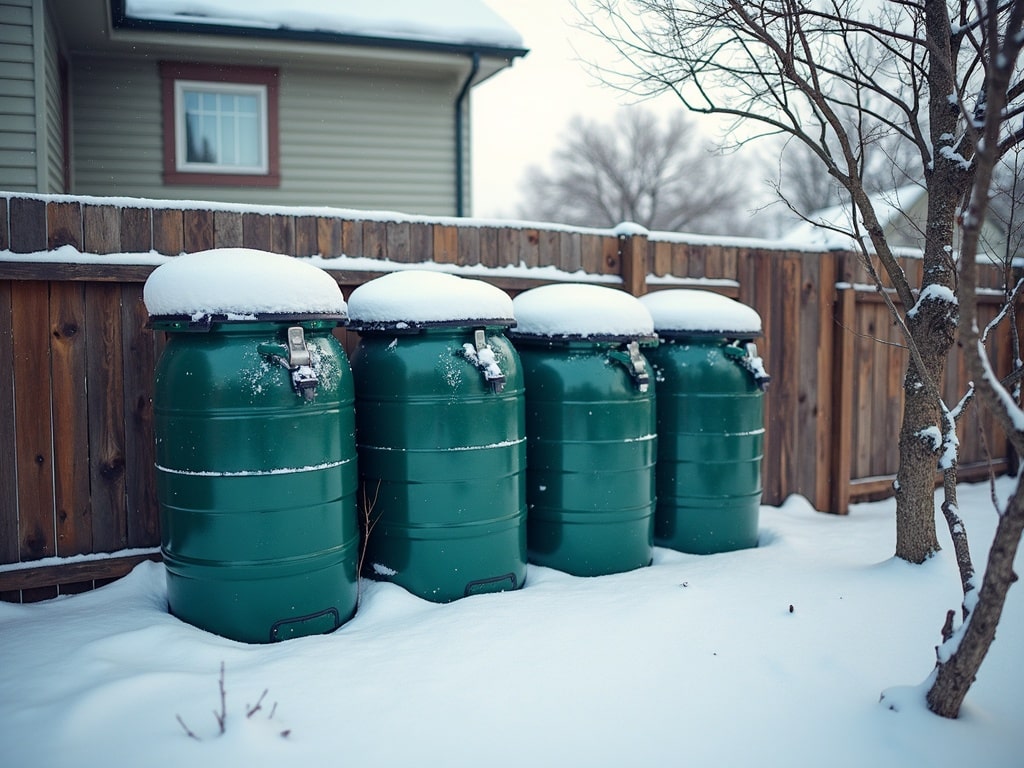
- Outdoor Storage (Upside Down): If indoor storage isn't possible, store the rain barrel outdoors upside down. This will prevent any water from accumulating inside and freezing. Elevate the barrel slightly off the ground using bricks or wood blocks to allow for air circulation.
- Outdoor Storage (Wrapped): If you must store the barrel upright outdoors, wrap it with insulation material such as bubble wrap, blankets, or foam padding. Secure the insulation with tape or rope. This will help to protect the barrel from freezing temperatures. You can also place a waterproof cover over the barrel to protect it from snow and rain.
5. Protecting Your Downspout and Diverter
Don't forget about the downspout and diverter that connect your rain barrel to your gutter system. These components also need to be protected from the winter elements. Here's what to do:
- Disconnect the Diverter: Disconnect the diverter from the downspout and the rain barrel.
- Inspect the Downspout: Make sure the downspout is clear of any debris that could cause it to clog up with ice and snow.
- Store the Diverter: Store the diverter indoors or in a protected location to prevent it from being damaged by the weather.
- Consider a Downspout Extension: If you live in an area with heavy snowfall, consider attaching a downspout extension to direct water away from your foundation.
6. Dealing with Connected Systems: Pumps and Hoses
If your rain barrel system includes a pump or hoses, these components also need special attention during the winter.
- Disconnect Hoses: Disconnect all hoses from the rain barrel and the pump.
- Drain Hoses: Drain any water from the hoses and store them indoors to prevent them from freezing and cracking.
- Protect the Pump: Follow the manufacturer's instructions for winterizing your pump. This may involve draining any water from the pump, cleaning it, and storing it indoors.
Specific Winterization Methods Based on Barrel Type
While the general steps outlined above apply to most rain barrels, there may be some specific considerations depending on the type of barrel you have. Here's a look at some common rain barrel types and any special winterization requirements:
Plastic Rain Barrels
These are the most common type of rain barrel and are generally quite durable. However, they are still susceptible to cracking in freezing temperatures. Follow the general winterization steps outlined above, paying particular attention to emptying the barrel completely and storing it properly. If storing outdoors, consider wrapping the barrel with insulation material.
Wooden Rain Barrels
Wooden rain barrels, while aesthetically pleasing, require more care than plastic barrels. The wood can dry out and crack if left empty for extended periods. Here's how to winterize a wooden rain barrel:
- Empty the Barrel: Empty the barrel as completely as possible.
- Keep it Slightly Moist: Unlike plastic barrels, you don't want the wood to dry out completely. Add a small amount of water (a few gallons) to the barrel to keep the wood from shrinking and cracking.
- Cover the Barrel: Cover the barrel with a tarp or waterproof cover to protect it from the elements.
- Consider Indoor Storage: If possible, store the wooden barrel indoors in a cool, humid location.
DIY Rain Barrels
If you've built your own rain barrel from a repurposed container, the winterization process will depend on the material used to construct the barrel. Follow the guidelines for the appropriate material (plastic, wood, etc.). Pay particular attention to any seams or connections, as these are often the weakest points and most susceptible to damage from freezing.
Advanced Winterization Techniques for Harsh Climates
If you live in an area with extremely cold winters or frequent freeze-thaw cycles, you may need to take some additional precautions to protect your rain barrel.
- Heated Rain Barrels: Consider using a heated rain barrel system. These systems use a small electric heater to keep the water in the barrel from freezing. This is a good option if you want to continue using your rain barrel during the winter.
- Insulated Rain Barrels: Build an insulated enclosure around your rain barrel to protect it from the cold. This can be done using hay bales, foam insulation, or other insulating materials.
- Burying the Rain Barrel: In extremely cold climates, burying the rain barrel below the frost line can provide excellent protection from freezing temperatures. This is a more involved process, but it can be very effective.
Troubleshooting Common Winterization Problems
Even with the best planning, things can sometimes go wrong. Here are some common winterization problems and how to solve them:
Problem: Rain Barrel is Frozen Solid
If you forgot to empty your rain barrel and it's now frozen solid, don't panic. Here's what to do:
- Don't Force It: Do not try to break the ice or force the frozen water out of the barrel. This could damage the barrel.
- Wait for a Thaw: The best approach is to wait for a warmer day when the ice begins to thaw naturally.
- Gentle Heat: You can try applying gentle heat to the outside of the barrel using a heat gun or hairdryer. Be careful not to overheat the barrel, as this could also cause damage.
Problem: Spigot is Frozen Shut
If your spigot is frozen shut, try these solutions:
- Warm Water: Pour warm (not boiling) water over the spigot to thaw the ice.
- Heat Gun: Use a heat gun to gently warm the spigot.
- Hair Dryer: A hair dryer can also be used to thaw the spigot.
Problem: Downspout is Clogged with Ice
A clogged downspout can cause water to back up and potentially damage your roof or gutters. Here's how to deal with a clogged downspout:
- Remove Snow and Ice: Clear away any snow and ice from around the downspout opening.
- Ice Melt: Use an ice melt product to help melt the ice inside the downspout.
- Warm Water: Pour warm water down the downspout to melt the ice.
Springtime Rain Barrel Revival
Once the threat of freezing temperatures has passed, it's time to bring your rain barrel back to life. Here's what to do:
- Inspect for Damage: Carefully inspect the rain barrel for any cracks, leaks, or other damage that may have occurred during the winter. Repair any damage before reconnecting the barrel to your downspout.
- Clean the Barrel: Give the rain barrel another thorough cleaning to remove any dust, dirt, or debris that may have accumulated during storage.
- Reconnect the System: Reconnect the diverter and hoses to the rain barrel and downspout.
- Test the System: Test the system to make sure everything is working properly. Check for leaks and make sure the water flows freely.
Extending the Life of Your Rain Barrel
Proper winterization is just one aspect of extending the life of your rain barrel. Here are some other tips to keep your rain barrel in good condition for many years to come:
Discover Proven Techniques to Preserve Your Food Year-Round and Enjoy Less Waste with More Freshness
- Regular Cleaning: Clean your rain barrel regularly to prevent the buildup of sediment, algae, and debris.
- Proper Placement: Place your rain barrel on a level surface and in a location that is protected from direct sunlight.
- Use a Screen or Filter: Use a screen or filter to prevent debris from entering the rain barrel.
- Maintain Gutters and Downspouts: Keep your gutters and downspouts clean to ensure that water flows freely into the rain barrel.
- Consider a First Flush Diverter: A first flush diverter will divert the first flush of rainwater away from the barrel, preventing contaminants from entering the water supply.
The Environmental and Economic Benefits of Rain Barrels
Beyond saving money on your water bill and providing a sustainable source of water for your garden, rain barrels offer a number of environmental benefits:
- Water Conservation: Rain barrels help to conserve water by reducing the demand for municipal water supplies.
- Stormwater Management: Rain barrels help to reduce stormwater runoff, which can pollute waterways and contribute to flooding.
- Reduced Energy Consumption: By reducing the demand for municipal water, rain barrels help to reduce the energy required to treat and distribute water.
- Improved Water Quality: Rainwater is naturally soft and free of chemicals, making it ideal for watering plants.
Finally, collecting rainwater can be an engaging and educational activity for families and communities. By understanding the water cycle and the importance of conservation, we can all contribute to a more sustainable future.
Conclusion: A Little Effort, a Lot of Reward
Winterizing your rain barrel might seem like a chore, but it's a simple task that can save you time, money, and headaches in the long run. By following the steps outlined in this guide, you can ensure that your rain barrel is protected from the damaging effects of winter weather and ready to provide you with a sustainable source of water for many seasons to come. So, take a little time this fall to prepare your rain barrel for winter, and you'll be rewarded with a healthy, thriving garden and the satisfaction of knowing you're doing your part to conserve water and protect the environment. And when spring arrives, you'll be ready to reconnect your barrel and enjoy the benefits of free, clean rainwater for your lawn and garden. For additional information and resources on rainwater harvesting, consider exploring websites like [externalLink insert] , which offer valuable insights and guidance.