
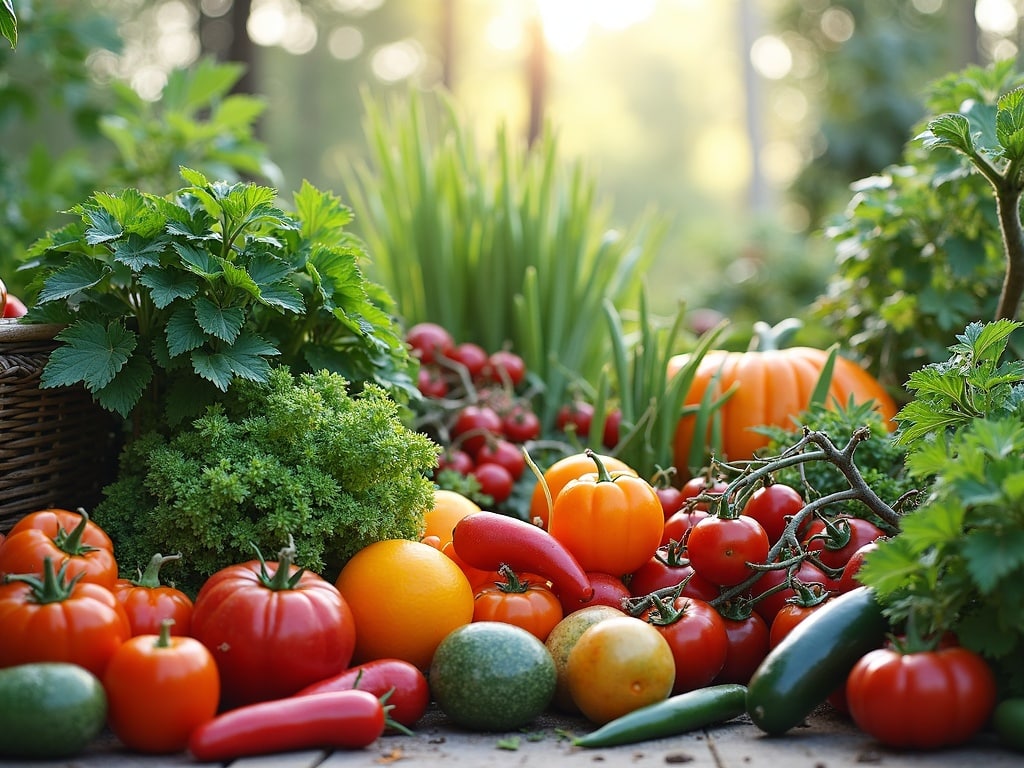
Winter Gardening: What You Can Grow for a Bountiful Harvest
Imagine stepping out into your garden in the heart of winter and harvesting fresh, vibrant vegetables. It sounds like a dream, but with careful planning and the right knowledge, you can transform your garden into a winter wonderland of edible delights. Forget desolate landscapes; this is about embracing the cooler months and discovering the surprising array of plants that thrive when the snow starts to fall.
Why Winter Gardening?
Winter gardening offers more than just fresh produce during a time when most gardens are dormant. It's about extending the growing season, improving soil health, and enjoying a connection with nature year-round.
Extending the Growing Season
For many gardeners, the end of summer marks the end of the gardening year. However, winter gardening allows you to continue harvesting fresh vegetables and herbs well into the colder months, bridging the gap between fall and spring harvests.
Improving Soil Health
Cover crops, often planted in the fall for winter growth, protect the soil from erosion, suppress weeds, and add valuable organic matter as they decompose. This leads to healthier, more fertile soil in the spring.
Year-Round Connection with Nature
Gardening in winter provides a unique opportunity to observe the resilience of plants and connect with the natural world during a season often associated with dormancy. It can be a therapeutic and rewarding experience.
Understanding Your Climate
Before diving into winter gardening, it's crucial to understand your local climate and how it will affect your plant choices and gardening techniques. Different regions have different winter conditions, so what works in one area may not work in another.
Hardiness Zones
The USDA Plant Hardiness Zone Map divides North America into zones based on average minimum winter temperatures. Knowing your hardiness zone helps you select plants that are likely to survive the winter in your area.
First and Last Frost Dates
The average first and last frost dates are important indicators of the length of your growing season. Pay attention to these dates when planning your winter garden, as they will influence when you can plant certain crops.
Microclimates
Even within a single garden, there can be microclimates – small areas with slightly different temperature and moisture conditions. South-facing walls, for example, tend to be warmer than north-facing areas. Observe your garden to identify these microclimates and use them to your advantage.
Best Vegetables for Winter Gardening
Not all vegetables can withstand the cold temperatures of winter. However, there are many options available, including leafy greens, root vegetables, and brassicas.
Leafy Greens
Leafy greens are among the easiest and most rewarding vegetables to grow in winter. They are cold-hardy and can tolerate light frosts.
**Spinach:Spinach is a nutritional powerhouse that thrives in cool weather. Plant spinach seeds in late summer or early fall for a winter harvest.
**Kale:Kale is extremely cold-hardy and can even improve in flavor after a frost. There are many different varieties of kale to choose from, each with its own unique taste and texture.
**Lettuce:Some varieties of lettuce, such as ‘Winter Density' and ‘Rouge d'Hiver,' are specifically bred for winter growing.
**Arugula:Arugula, also known as rocket, has a peppery flavor that adds a zing to salads. It is relatively fast-growing and can be harvested throughout the winter.
**Mâche:Mâche, also called lamb's lettuce, is a delicate green with a mild, nutty flavor. It is very cold-hardy and can be grown in even the coldest climates.
**Claytonia:Also known as miner's lettuce, Claytonia is a succulent, cold-hardy green. It self-seeds readily and can provide a continuous supply of greens throughout the winter and early spring.
Root Vegetables
Root vegetables store well and provide a steady source of nutrients throughout the winter months.
**Carrots:Carrots can be grown in winter gardens, especially in milder climates. Mulching can help protect them from freezing temperatures.
**Beets:Beets are another cold-hardy root vegetable that can be grown in winter. Both the roots and the leaves are edible.
**Radishes:Radishes are fast-growing and can be harvested in just a few weeks. Choose winter varieties like ‘Black Spanish' for the best results.
**Turnips:Turnips are a versatile root vegetable that can be eaten raw, cooked, or pickled. The leaves are also edible and can be used in salads or stir-fries.
**Parsnips:Parsnips are similar to carrots but have a sweeter, nuttier flavor. They actually taste better after a frost.
Brassicas
The brassica family includes vegetables like broccoli, cabbage, and cauliflower. These vegetables are generally cold-hardy and can tolerate light frosts.
Discover Proven Techniques to Preserve Your Food Year-Round and Enjoy Less Waste with More Freshness
**Broccoli:Some varieties of broccoli, such as ‘Waltham 29,' are specifically bred for winter growing.
**Cabbage:Cabbage is a hardy vegetable that can withstand cold temperatures. Choose winter varieties like ‘January King' for the best results.
**Cauliflower:Cauliflower is more sensitive to cold than broccoli or cabbage, but it can still be grown in winter gardens with proper protection.
**Brussels Sprouts:Brussels sprouts are extremely cold-hardy and can even improve in flavor after a frost.
**Kohlrabi:Kohlrabi is a unique vegetable with a mild, sweet flavor. It can be eaten raw or cooked.
Other Vegetables
In addition to leafy greens, root vegetables, and brassicas, there are a few other vegetables that can be grown in winter gardens.
**Garlic:Garlic is typically planted in the fall for a summer harvest, but it can also be grown in winter gardens in milder climates.
**Onions:Similar to garlic, onions can be planted in the fall for a spring or summer harvest.
**Fava Beans:Fava beans are a nitrogen-fixing legume that can be planted in the fall for a spring harvest. They are relatively cold-hardy and can tolerate light frosts.
Herbs for Winter Gardening
Many herbs are also cold-hardy and can be grown in winter gardens. These herbs can add flavor to your winter meals and provide a source of fresh herbs when they are scarce in stores.
**Rosemary:Rosemary is a perennial herb that can withstand cold temperatures.
**Thyme:Thyme is another perennial herb that is relatively cold-hardy.
**Sage:Sage is a perennial herb with a savory flavor. It is relatively easy to grow and can tolerate light frosts.
**Oregano:Oregano is a perennial herb that is commonly used in Italian and Mediterranean cuisine. It is relatively cold-hardy and can be grown in winter gardens.
**Mint:Mint is a perennial herb that is known for its refreshing flavor. It can be grown in winter gardens, but it tends to spread quickly, so it's best to plant it in a container.
**Chives:Chives are a perennial herb with a mild onion flavor. They are very cold-hardy and can be grown in even the coldest climates.
**Parsley:Parsley is a biennial herb that is commonly used as a garnish and flavoring. It is relatively cold-hardy and can be grown in winter gardens.
**Cilantro:Cilantro is an annual herb that is commonly used in Mexican and Asian cuisine. It is less cold-hardy than parsley, but it can still be grown in winter gardens with proper protection.
Preparing Your Garden for Winter
Proper preparation is essential for a successful winter garden. This includes choosing the right location, preparing the soil, and providing adequate protection from the cold.
Choosing the Right Location
Select a location that receives at least six hours of sunlight per day. South-facing locations tend to be warmer and receive more sunlight than north-facing areas.
Preparing the Soil
Amend the soil with compost or other organic matter to improve drainage and fertility. Well-drained soil is essential for winter gardening, as waterlogged soil can freeze and damage plant roots.
Protecting Plants from the Cold
There are several ways to protect plants from the cold, including mulching, using row covers, and building cold frames or greenhouses.
**Mulching:Mulching helps to insulate the soil and protect plant roots from freezing temperatures. Use organic mulches like straw, leaves, or wood chips.
**Row Covers:Row covers are lightweight fabrics that are placed over plants to provide protection from frost, wind, and insects.
**Cold Frames:Cold frames are simple structures that are built over plants to provide a protected growing environment. They can be made from wood, glass, or plastic.
**Greenhouses:Greenhouses provide the most protection from the cold and allow you to grow a wider variety of plants in winter.
Planting and Care Tips for Winter Gardens
Planting and caring for a winter garden requires a different approach than summer gardening. Here are some tips to help you succeed:
Timing is Key
Plant winter crops in late summer or early fall, allowing them to establish before the onset of cold weather. Check the seed packets for specific planting dates for your region.
Watering
Water plants deeply but less frequently in winter. Avoid overwatering, as this can lead to root rot. Water in the morning to allow the foliage to dry before nightfall.
Fertilizing
Fertilize plants sparingly in winter. Use a slow-release organic fertilizer to provide nutrients gradually.
Weed Control
Weeds are less active in winter, but it's still important to keep them under control. Mulching helps to suppress weeds.
Pest and Disease Control
Pests and diseases are less common in winter, but they can still occur. Monitor plants regularly and take action if you notice any problems. Use organic pest and disease control methods whenever possible.
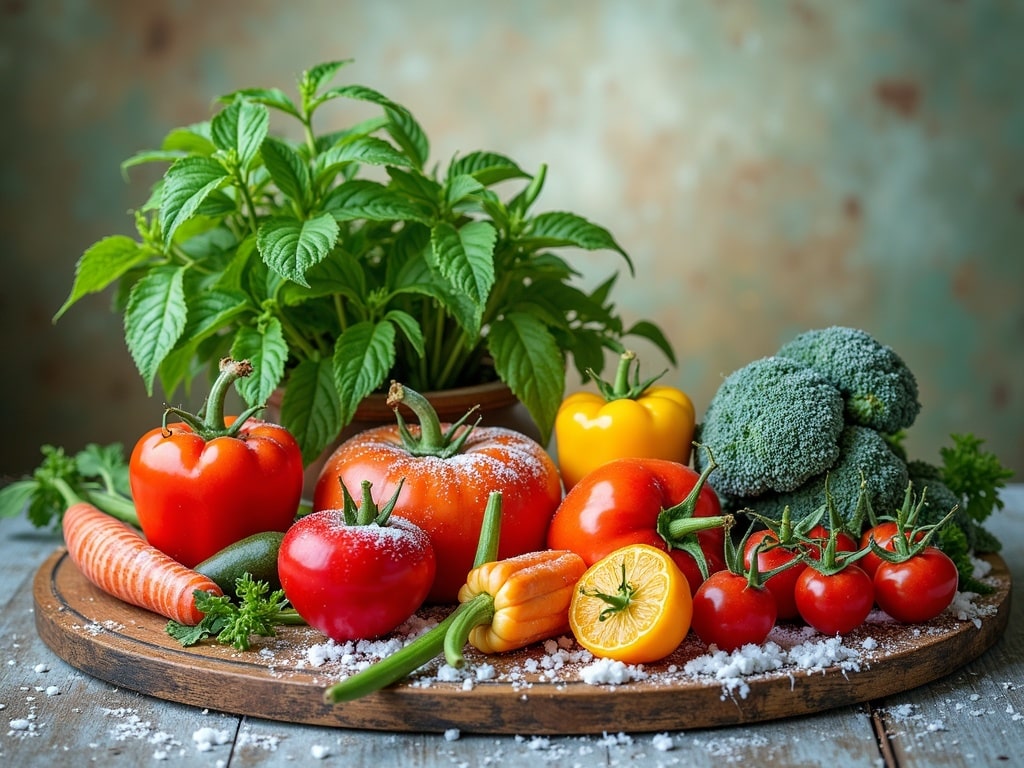
Extending the Harvest
Even with the best preparations, winter weather can be unpredictable. Here are some strategies to extend your harvest and protect your plants from extreme cold.
Succession Planting
Plant a new batch of seeds every few weeks to ensure a continuous supply of fresh vegetables. This is especially important for fast-growing crops like radishes and lettuce.
Harvesting Techniques
Harvest leafy greens regularly to encourage continued growth. Cut the outer leaves, leaving the inner leaves to mature. For root vegetables, harvest as needed.
Using Cloches and Mini-Tunnels
Cloches and mini-tunnels are small, portable structures that can be used to protect individual plants or small groups of plants from the cold. They are easy to set up and move around the garden as needed.
Bringing Plants Indoors
If you have limited space or want to protect particularly sensitive plants, consider bringing them indoors. Potted herbs and vegetables can be grown on a sunny windowsill or under grow lights.
Troubleshooting Common Winter Gardening Problems
Winter gardening can present some unique challenges. Here are some common problems and how to solve them:
Frost Damage
Frost can damage or kill tender plants. Protect plants from frost by covering them with row covers, blankets, or tarps.
Snow Load
Heavy snow can damage cold frames and greenhouses. Reinforce structures as needed and clear snow from roofs and sides.
Rodent Damage
Rodents like mice and voles can damage plants in winter. Protect plants by using traps or repellents.
Nutrient Deficiencies
Nutrient deficiencies can occur in winter due to cold soil temperatures. Apply a slow-release organic fertilizer to provide nutrients gradually.
Specific Plant Profiles for Winter Gardening
Let's delve into some specific plant profiles, offering deeper insights into cultivating these winter-hardy champions.
Kale: The Winter Warrior
Kale, the undisputed king of winter greens, stands tall against the frost. Its ruffled leaves become sweeter and more flavorful after a good freeze, making it a delightful addition to soups, stews, and salads.
**Varieties:'Lacinato' (Dinosaur Kale), ‘Red Russian,' and ‘Winterbor' are all excellent choices for winter growing.
**Growing Tips:Plant kale in well-drained soil and provide plenty of sunlight. Harvest the outer leaves regularly to encourage continued growth.
**Common Issues:Watch out for aphids and cabbage worms. Use organic pest control methods as needed.
Spinach: A Nutrient-Rich Powerhouse
Spinach, packed with vitamins and minerals, thrives in cool weather. Its tender leaves add a vibrant touch to winter meals.
**Varieties:'Winter Giant,' ‘Tyee,' and ‘Bloomsdale Long Standing' are well-suited for winter growing.
**Growing Tips:Plant spinach in fertile, well-drained soil. Keep the soil consistently moist, but avoid overwatering.
**Common Issues:Downy mildew can be a problem in humid conditions. Improve air circulation and avoid overhead watering.
Garlic: The Aromatic Essential
Garlic, planted in the fall, overwinters and produces flavorful bulbs in the summer. It's an essential ingredient in many cuisines and a great addition to any winter garden.
**Varieties:'Hardneck' varieties are generally more cold-hardy than ‘Softneck' varieties.
**Growing Tips:Plant garlic cloves in well-drained soil in the fall. Mulch to protect the cloves from freezing temperatures.
**Common Issues:Garlic rust can be a problem in wet conditions. Ensure good air circulation and avoid overhead watering.
Radishes: The Speedy Delight
Radishes are the sprinters of the winter garden, offering a peppery crunch in just a few weeks. Their rapid growth makes them a rewarding crop for impatient gardeners.
**Varieties:'Black Spanish,' ‘China Rose,' and ‘French Breakfast' are good choices for winter growing.
**Growing Tips:Plant radish seeds directly in the ground. Keep the soil consistently moist.
**Common Issues:Flea beetles can damage radish leaves. Use row covers to protect the plants.
Claytonia (Miner's Lettuce): The Self-Seeding Gem
Claytonia, also known as miner's lettuce, is a succulent green that readily self-seeds, granting a continuous supply of fresh greens throughout winter and early spring.
**Growing Tips:Claytonia thrives in moist, shaded areas. Once established, it requires minimal care.
**Harvesting:Cut the leaves and stems as needed. Claytonia has a mild, slightly earthy flavor.
**Benefits:It's incredibly low-maintenance and perfect for naturalizing in woodland gardens.
Designing Your Winter Garden
Planning and design are crucial for maximizing your winter garden's success. Consider these elements:
Spatial Arrangement
Group plants with similar needs together. Taller plants can provide some wind protection to more delicate crops. Consider companion planting – for example, planting garlic near lettuce can deter pests.
Succession Planting Zones
Divide your garden into sections for staggered planting. This ensures a continuous harvest throughout the winter months. Designate one area for early winter crops, another for mid-winter, and a third for late-winter/early spring.
Vertical Gardening
If space is limited, utilize vertical gardening techniques. Trellises and wall planters can support climbing vegetables or herbs, maximizing your yield in a small area.
Aesthetics
Don't underestimate the visual appeal of your winter garden. Incorporate colorful varieties of kale, chard, and lettuce. Use evergreens as backdrops to create a visually stimulating winter landscape.
Tools and Equipment for Winter Gardening
While many of the same tools used for summer gardening will work in the winter, some specialized equipment can make winter gardening easier and more productive.
Soil Thermometer
A soil thermometer allows you to monitor soil temperatures, which is crucial for determining when to plant and whether plants need extra protection.
Row Covers and Cloches
These are essential for protecting plants from frost, wind, and snow. Choose lightweight fabrics that allow sunlight to penetrate.
Cold Frames and Mini-Greenhouses
These structures provide a more controlled environment for growing winter vegetables. They're ideal for protecting more sensitive plants or for starting seeds indoors.
Snow Shovel
A snow shovel is essential for clearing snow from pathways and structures. Use a plastic shovel to avoid damaging surfaces.
Headlamp or Flashlight
Winter days are short, so a headlamp or flashlight is essential for gardening in the early morning or late afternoon.
The Future of Winter Gardening
As climate change continues to impact weather patterns, winter gardening will likely become even more important for ensuring a sustainable food supply.
Adapting to Changing Conditions
Gardeners will need to adapt to changing weather patterns, such as warmer winters and more extreme weather events. This may involve selecting more heat-tolerant varieties of winter vegetables and using more sophisticated methods of protection, such as heated greenhouses.
Sustainable Practices
Sustainable gardening practices, such as composting, cover cropping, and water conservation, will become even more important. These practices help to build healthy soil, reduce reliance on synthetic fertilizers and pesticides, and conserve water.
Community Gardens
Community gardens can play a vital role in promoting winter gardening. They provide a space for people to share knowledge, resources, and labor. They can also help to build community resilience in the face of climate change.
Beyond the Basics: Advanced Techniques
For seasoned gardeners seeking new challenges, here are some more advanced winter gardening techniques:
Hugelkultur Beds
Hugelkultur involves creating raised beds filled with decaying wood and organic matter. As the wood decomposes, it releases nutrients and retains moisture, creating a fertile and self-sustaining growing environment that can moderate soil temperatures.
Lasagna Gardening (Sheet Mulching)
This method builds soil by layering organic materials like cardboard, leaves, and compost. It suppresses weeds, retains moisture, and creates rich soil perfect for winter planting.
Aquaponics and Hydroponics
These soilless growing systems can be used indoors or in greenhouses to produce vegetables year-round. Aquaponics combines fish farming with hydroponics, creating a closed-loop system that is both sustainable and efficient.
Season Extension with Geothermal Heating
Utilize geothermal energy to heat greenhouses or cold frames, extending the growing season and enabling year-round production.
Winter Garden to Table: Recipes and Meal Ideas
The rewards of winter gardening are best enjoyed in the kitchen! Here are some recipe ideas showcasing the bounty of your winter harvest.
Kale and White Bean Soup
A hearty and nutritious soup featuring kale, white beans, and your favorite seasonings. This is a perfect way to warm up on a cold winter day.
Roasted Root Vegetables with Herbs
Roast a medley of root vegetables like carrots, beets, and parsnips with olive oil, rosemary, and thyme. This is a simple and flavorful side dish.
Spinach and Feta Quiche
A classic quiche featuring spinach, feta cheese, and eggs. This is a great way to use up a lot of spinach and makes a delicious brunch or light lunch.
Radish and Butter Sandwiches
A simple and elegant snack featuring thinly sliced radishes, butter, and crusty bread. The peppery radishes provide a nice contrast to the creamy butter.
Claytonia Salad with Citrus Vinaigrette
Toss fresh Claytonia leaves with a simple citrus vinaigrette for a refreshing and light salad. Top with toasted nuts or seeds for added crunch.
Closing Thoughts
Winter gardening is more than just a hobby; it's a testament to human ingenuity and our ability to connect with nature, no matter the season. With careful planning, the right techniques, and a little bit of perseverance, you can enjoy a bountiful harvest of fresh, delicious vegetables and herbs throughout the winter months. So, embrace the cold, get your hands dirty, and discover the joys of winter gardening! It's a rewarding experience that will nourish your body, mind, and soul.