

How to Make Homemade Vinegar: A Comprehensive Guide
Imagine transforming kitchen scraps into a tangy, flavorful liquid that enhances your cooking, cleaning, and overall well-being. That’s the magic of making homemade vinegar. Far from a complicated process, crafting your own vinegar is a rewarding endeavor that connects you to traditional food preservation techniques and allows you to customize flavors to your exact preferences. This guide will walk you through everything you need to know, from the basic science behind vinegar production to creative flavor infusions and troubleshooting tips.
The Science Behind Vinegar: Acetification
Before diving into the how-to, understanding the science behind vinegar production is crucial. Vinegar is essentially diluted acetic acid, formed through a two-step fermentation process. The first step involves yeast converting sugars into alcohol (ethanol). This is similar to the fermentation process used in brewing beer or making wine. Then, in the presence of oxygen and acetic acid bacteria (Acetobacter), the alcohol is converted into acetic acid. This second step is what transforms your alcoholic liquid into vinegar.
Key Players: Yeast and Acetobacter
Yeast: These microorganisms consume sugars and produce alcohol and carbon dioxide as byproducts. Different types of yeast can contribute unique flavor profiles to your vinegar. For example, using wine as a base will introduce wine-specific yeast strains into the process.
Acetobacter: This is the star of the vinegar-making show. Acetobacter bacteria are naturally present in the air and on the surfaces of fruits. They consume alcohol and convert it into acetic acid. A healthy colony of Acetobacter is essential for successful vinegar production.
The Importance of Oxygen
Acetobacter are aerobic bacteria, meaning they require oxygen to survive and function. This is why vinegar production requires good airflow. The fermentation vessel should be covered with a breathable cloth to allow oxygen to enter but prevent fruit flies and other contaminants from getting in.
Essential Equipment and Ingredients
Fortunately, making homemade vinegar doesn't require a lot of fancy equipment. Here's a list of what you'll need:
- Fermentation Vessel: A glass jar, ceramic crock, or food-grade plastic container will work. Avoid metal containers, as the acidity of the vinegar can react with the metal. The size of the vessel will depend on how much vinegar you want to make. A gallon-sized jar is a good starting point.
- Breathable Cover: A piece of tightly woven cloth (cheesecloth, muslin, or even a coffee filter) secured with a rubber band works well. This allows airflow while keeping insects out.
- Starter Vinegar: This introduces Acetobacter bacteria to your fermentation. You can use unpasteurized vinegar (with mother) from the store or a previous batch of homemade vinegar. Pasteurized vinegar will not work, as the pasteurization process kills the bacteria.
- Base Ingredient: This is the source of sugar that the yeast will ferment into alcohol. Options include fruit scraps, wine or beer dregs, sugar water, or honey water. The type of base ingredient will determine the type of vinegar you make (e.g., apple cider vinegar, wine vinegar, honey vinegar).
- Optional: Thermometer, pH strips, hydrometer (for more precise alcohol and acidity measurements)
Choosing Your Base Ingredient: From Fruit Scraps to Wine Dregs
The versatility of homemade vinegar lies in the wide range of base ingredients you can use. Here are some popular options and their characteristics:
Fruit Scraps: Apple Cider Vinegar, Pineapple Vinegar, and More
Using fruit scraps is a great way to reduce food waste and create flavorful vinegars. Apple cores and peels are the most common choice for making apple cider vinegar, but you can also use other fruit scraps like pineapple cores, pear peels, or leftover berries. The natural sugars in the fruit will be converted into alcohol and then acetic acid.
How to Make Vinegar from Fruit Scraps:
- Collect fruit scraps in a clean container.
- Add sugar (about 1/4 cup per quart of scraps) to provide additional food for the yeast. This step isn't always necessary, depending on the sweetness of your fruit.
- Cover the scraps with water, leaving an inch or two of headspace at the top of the container.
- Add your starter vinegar (about 1/4 cup per quart of water).
- Cover with a breathable cloth and secure with a rubber band.
- Stir the mixture every few days to prevent mold growth.
Wine or Beer Dregs: Transforming Leftovers into Culinary Gold
If you're a homebrewer or wine enthusiast, don't throw away the leftover dregs! These contain live yeast and alcohol, making them an excellent base for vinegar. Wine vinegar and malt vinegar are popular choices.
How to Make Vinegar from Wine or Beer Dregs:
- Pour the wine or beer dregs into your fermentation vessel.
- Add your starter vinegar (about 1/4 cup per quart of dregs).
- Cover with a breathable cloth and secure with a rubber band.
Sugar Water or Honey Water: A Neutral Base for Infusions
If you want a more neutral-tasting vinegar that you can then infuse with herbs or spices, sugar water or honey water is a good option. This allows you to control the flavor profile from the start.
How to Make Vinegar from Sugar Water or Honey Water:
- Dissolve sugar or honey in water (about 1/2 cup per quart of water).
- Boil the mixture for a few minutes to sterilize it.
- Let it cool to room temperature.
- Add your starter vinegar (about 1/4 cup per quart of water).
- Cover with a breathable cloth and secure with a rubber band.
The Fermentation Process: Patience is Key
Once you've chosen your base ingredient and set up your fermentation vessel, the waiting game begins. The fermentation process can take anywhere from a few weeks to several months, depending on the temperature, the type of base ingredient, and the strength of your Acetobacter culture.
Primary Fermentation: The Alcohol Stage
During the first stage, yeast will convert sugars into alcohol. You may notice bubbles forming and a slightly alcoholic smell. This stage typically lasts for 1-3 weeks.
Secondary Fermentation: The Vinegar Stage
In the second stage, Acetobacter bacteria will convert the alcohol into acetic acid. You may notice a cloudy film forming on the surface of the liquid. This is the mother of vinegar, a cellulose-based colony of Acetobacter. The mother is a sign that your vinegar is fermenting properly. This stage can take several weeks to several months. The longer it ferments, the stronger and more acidic the vinegar will become.
Temperature Matters
The ideal temperature for vinegar fermentation is between 60-80°F (15-27°C). Warmer temperatures will speed up the process, while cooler temperatures will slow it down. Avoid temperatures above 80°F (27°C), as this can kill the Acetobacter bacteria.
Smell and Taste Testing
The best way to monitor the fermentation process is to smell and taste the vinegar regularly. As the vinegar ferments, the alcoholic smell will gradually disappear, and the sour, acidic smell of vinegar will become more prominent. After a few weeks, start tasting the vinegar. Use a clean spoon to avoid contaminating the batch. If it's not sour enough, let it ferment for a longer time.
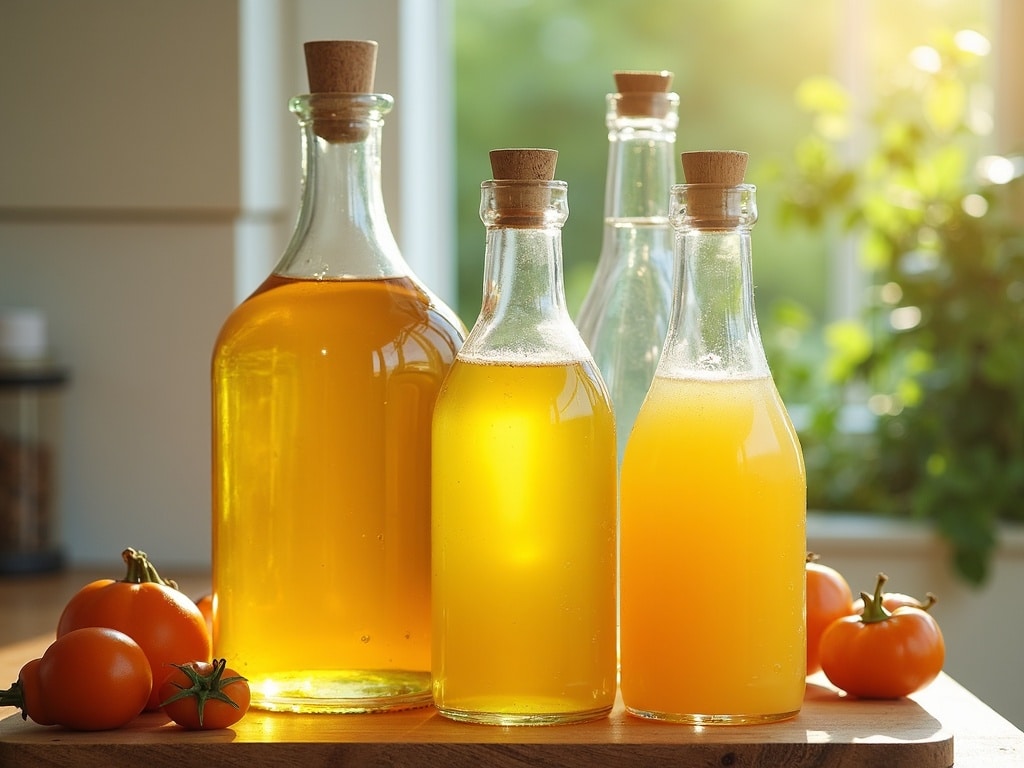
Filtering and Pasteurizing (Optional)
Once the vinegar has reached your desired acidity, you can filter it to remove any sediment or cloudiness. This is not necessary, but it will improve the appearance of the vinegar. You can use a coffee filter, cheesecloth, or a fine-mesh sieve to filter the vinegar.
Pasteurization for Shelf Stability
Pasteurization is optional but recommended if you want to ensure the vinegar is shelf-stable and prevent further fermentation. To pasteurize vinegar, heat it to 140°F (60°C) for 30 minutes. This will kill any remaining yeast or bacteria. After pasteurizing, store the vinegar in a clean, airtight container.
Flavor Infusions: Elevating Your Homemade Vinegar
One of the best things about making homemade vinegar is the ability to customize the flavor. Once your base vinegar is ready, you can infuse it with herbs, spices, fruits, or vegetables to create unique and delicious flavor combinations. Experiment with different ingredients and find your favorite blends.
Herb-Infused Vinegars: Rosemary, Thyme, and More
Herb-infused vinegars are perfect for salad dressings, marinades, and sauces. Popular choices include rosemary, thyme, oregano, basil, and dill. To make herb-infused vinegar, simply add a few sprigs of fresh herbs to a bottle of vinegar and let it steep for a few weeks. Taste the vinegar regularly and remove the herbs when it has reached your desired flavor intensity. Dried herbs can also be used, but fresh herbs will provide a more vibrant flavor.
Spice-Infused Vinegars: Garlic, Chili, and Beyond
Spice-infused vinegars add a warm, complex flavor to your dishes. Try adding garlic cloves, chili peppers, peppercorns, cinnamon sticks, or star anise to your vinegar. The process is similar to herb infusions – add the spices to the vinegar and let it steep for a few weeks. Again, taste regularly to ensure you're happy with the strength of the favour. For a stronger flavour, lightly crush or bruise the spices before adding them to the vinegar.
Fruit-Infused Vinegars: Raspberry, Strawberry, and Citrus Delights
Fruit-infused vinegars are sweet and tangy, perfect for glazes, shrubs, and sparkling beverages. Use fresh or frozen fruits like raspberries, strawberries, blueberries, oranges, lemons, or limes. To make fruit-infused vinegar, gently crush the fruit and add it to a bottle of vinegar. Let it steep for a few weeks, tasting regularly. Strain the vinegar through a cheesecloth to remove the fruit pulp.
Vegetable-Infused Vinegars: Pickled Flavors Without the Pickling
For a savoury twist, try infusing your vinegar with vegetables like onions, shallots, ginger, or horseradish. These can be used as a base for salad dressings, or in sauces and stews. Similarly to fruit infusions, chop or slice your vegetables and add them to a bottle of vinegar. Taste regularly and strain when the flavour has infused to your liking.
Tips for Flavor Infusions
- Use high-quality ingredients: The quality of your ingredients will affect the flavor of your vinegar.
- Sterilize your bottles: To prevent spoilage, sterilize your bottles before adding the vinegar and infusions.
- Label your bottles: Be sure to label your bottles with the date and ingredients.
- Experiment with different combinations: Don't be afraid to try new and unusual flavor combinations. The possibilities are endless!
Troubleshooting: Common Problems and Solutions
Even with careful attention, problems can sometimes arise during vinegar production. Here are some common issues and how to address them:
Mold Growth
Mold is a common problem in vinegar production, especially if the fermentation vessel is not properly cleaned or if the airflow is restricted. If you see mold growing on the surface of the liquid, discard the entire batch. To prevent mold growth, ensure that your fermentation vessel is clean and that the cloth cover is breathable.
Fruit Flies
Fruit flies are attracted to the sweet smell of fermenting fruit. They can contaminate the vinegar and lay eggs in the liquid. To prevent fruit flies, use a tightly woven cloth cover and secure it with a rubber band. You can also set up a fruit fly trap near the fermentation vessel.
Slow Fermentation
If your vinegar is not fermenting quickly enough, it could be due to several factors: low temperature, weak Acetobacter culture, or lack of nutrients. Move the fermentation vessel to a warmer location, add more starter vinegar, or add a small amount of sugar to provide additional food for the yeast.
Vinegar Mites
Vinegar mites are tiny, white creatures that can sometimes appear on the surface of vinegar. They are harmless but can be unsightly. Although perfectly natural, some people find them undesirable. They can be removed by carefully skimming them off the surface. Preventing them in the first place can be done by ensuring the container is well sealed with a tight weave of cloth.
Lack of Acidity
If your vinegar is not sour enough, it simply needs more time to ferment. Allow the vinegar to ferment for a longer period, tasting it regularly until it reaches your desired acidity. If it still isn't acidic enough, the Acetobacter culture may be weak, in which case adding more starter vinegar might help.
Uses for Homemade Vinegar: Beyond the Salad Bowl
Homemade vinegar is more than just a salad dressing ingredient. Its versatility extends to various culinary and household applications:
Culinary Uses
- Salad Dressings: Create flavorful and unique salad dressings by combining your homemade vinegar with olive oil, herbs, spices, and sweeteners.
- Marinades: Use vinegar to tenderize meat and add flavor to marinades.
- Sauces: Add a splash of vinegar to sauces to balance sweetness and add a tangy kick.
- Pickling: Use vinegar to pickle vegetables and fruits.
- Deglazing: Deglaze pans with vinegar to create flavorful pan sauces.
Household Uses
- Cleaning: Vinegar is a natural and effective cleaning agent. Use it to clean countertops, floors, and windows.
- Weed Killer: Spray vinegar on weeds to kill them naturally.
- Laundry: Add vinegar to your laundry to brighten whites and remove odors.
- Hair Rinse: Use diluted vinegar as a hair rinse to remove buildup and add shine.
Health and Wellness
- Digestive Aid: Some people believe that consuming apple cider vinegar can aid digestion.
- Sore Throat Remedy: Gargling with diluted vinegar can help soothe a sore throat.
- Skin Toner: Diluted vinegar can be used as a skin toner to balance pH levels.
Storing Your Homemade Vinegar
Once your vinegar has reached your desired acidity and flavor, store it in a clean, airtight container in a cool, dark place. Properly stored vinegar can last for years. The flavor may change slightly over time, but it will remain safe to consume.
Final Thoughts: Embrace the Art of Homemade Vinegar
Making homemade vinegar is a rewarding and creative process that connects you to the traditions of food preservation and allows you to customize flavors to your exact liking. From the simple science of fermentation to the endless possibilities of flavor infusions, there's something magical about transforming kitchen scraps into a tangy, versatile liquid. So, gather your ingredients, embrace the patience required, and embark on your own vinegar-making adventure. You might just discover your new favorite flavor!