

Getting Rid of Slugs and Snails: A Comprehensive Guide
Imagine tender, young lettuce leaves, vibrant hostas, and plump strawberries, all lovingly nurtured in your garden. Now picture waking up to find them riddled with holes, glistening trails marking the path of the culprits: slugs and snails. These slimy gastropods can be the bane of any gardener's existence, turning a flourishing oasis into a battleground. But fear not! Winning the war against slugs and snails is achievable with the right knowledge and strategies. This comprehensive guide will equip you with everything you need to know to protect your precious plants and reclaim your garden.
Understanding Your Enemy: Slugs and Snails 101
Before launching an attack, it's crucial to understand the biology and behavior of these garden pests. While often lumped together, slugs and snails have distinct characteristics that influence how you approach their control.
The Biology of Slugs
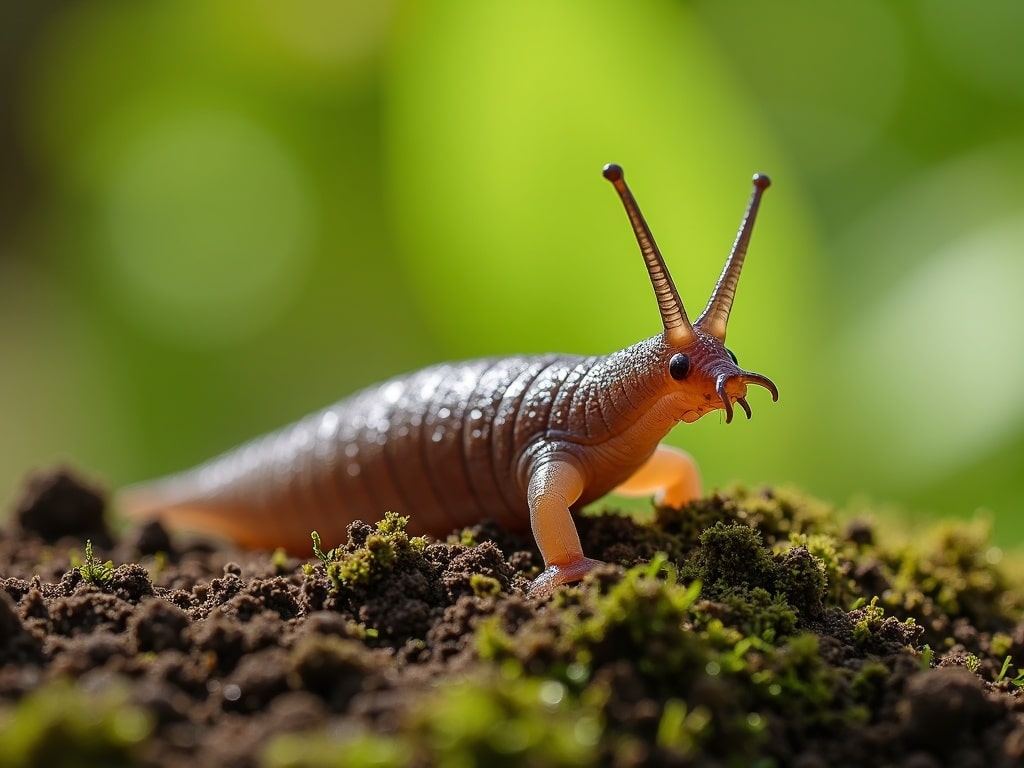
Slugs are essentially snails without shells (though some have a small, internal shell). This lack of a protective shell makes them more vulnerable to dehydration, causing them to favor damp, dark environments. They are most active at night or during overcast, rainy days, when humidity is high. Key features of slugs include:
- Body: Soft, slimy, and elongated, ranging in size from a few millimeters to several inches.
- Color: Varies depending on the species, from gray and brown to black and orange.
- Diet: Voracious eaters, consuming a wide range of plant matter, including leaves, stems, fruits, and vegetables.
- Reproduction: Hermaphroditic, meaning each slug has both male and female reproductive organs. They lay clusters of eggs in damp soil or under debris.
The Biology of Snails
Snails are characterized by their prominent, spiraled shells, providing protection from predators and desiccation. While more resilient to dry conditions than slugs, they still prefer moist environments. Key features of snails include:
- Shell: A hard, protective covering made of calcium carbonate. Shell size and shape vary depending on the species.
- Body: Soft and fleshy, similar to a slug, but retracts into the shell when threatened.
- Color: Body color is typically gray or brown. Shell color and patterns vary widely.
- Diet: Similar to slugs, snails feed on a wide variety of plants.
- Reproduction: Also hermaphroditic, snails lay eggs in the soil or under rocks.
Slug and Snail Behavior: Where They Hide and What They Eat
Understanding where slugs and snails hide and what they prefer to eat is crucial for effective control. They are masters of camouflage, often hiding in plain sight. Common hiding places include:
- Under rocks, logs, and mulch.
- Beneath flowerpots and stepping stones.
- In dense foliage, such as ground cover and shrubs.
- In compost piles and garden debris.
- During the day, they often burrow into the soil.
Their dietary preferences also influence which plants are most vulnerable. Slugs and snails are particularly fond of:
- Hostas
- Lettuce and other leafy greens
- Strawberries
- Marigolds
- Basil
- Dahlias
However, they will eat almost any plant if other food sources are scarce. Observe your garden closely to identify which plants are most frequently targeted.
Prevention is Key: Creating an Uninviting Habitat
The best way to control slugs and snails is to prevent them from becoming a problem in the first place. By modifying your garden environment, you can make it less hospitable to these pests.
Good Garden Hygiene
Maintaining a clean and tidy garden is paramount to slug and snail control. Remove potential hiding places by:
- Clearing away dead leaves, fallen fruit, and other organic debris.
- Removing weeds and overgrown vegetation.
- Elevating flowerpots on pot feet to prevent slugs and snails from hiding underneath.
- Turning compost piles regularly to disrupt their habitat.
Watering Practices
Slugs and snails thrive in moist environments, so adjusting your watering practices can significantly reduce their populations. Consider these strategies:
- Water plants in the morning rather than the evening, allowing the soil surface to dry out during the day.
- Use drip irrigation or soaker hoses to deliver water directly to the roots, minimizing surface moisture.
- Avoid overwatering, as this creates ideal conditions for slugs and snails.
Choosing Slug-Resistant Plants
While no plant is entirely slug-proof, some are less susceptible to damage than others. Consider incorporating these slug-resistant plants into your garden:
- Lavender
- Rosemary
- Thyme
- Fuchsias
- Begonias
- Geraniums
- Many ferns
Improving Soil Drainage
Well-drained soil discourages slugs and snails by reducing surface moisture. Amend heavy clay soils with organic matter, such as compost or aged manure, to improve drainage. Consider creating raised beds to further enhance drainage and reduce slug habitat.
Natural Remedies: Eco-Friendly Slug and Snail Control
For gardeners seeking environmentally friendly solutions, several natural remedies can effectively manage slug and snail populations without harming beneficial insects or wildlife.
Handpicking
The simplest, though perhaps least appealing, method is to handpick slugs and snails from your plants. This is most effective at night or early morning when they are most active. Equip yourself with a flashlight and a container of soapy water to dispose of the collected pests. Wear gloves if you prefer not to handle them directly.
Barriers
Creating physical barriers around vulnerable plants can prevent slugs and snails from reaching them. Effective barrier materials include:
- Copper tape: Slugs and snails dislike crawling over copper, as it creates a mild electrical shock. Apply copper tape around the rims of pots or raised beds.
- Diatomaceous earth (DE): This naturally occurring powder is made from fossilized algae. It's abrasive and dehydrating to slugs and snails. Sprinkle DE around plants you want to protect. Reapply after rain. Important Note: Use *food gradeDiatomaceous earth, not the kind used in pool filters.
- Crushed eggshells: Similar to DE, crushed eggshells create a sharp, uncomfortable surface for slugs and snails to cross. Scatter crushed eggshells around your plants.
- Gravel or sand: A coarse, dry surface can deter slugs and snails. Create a barrier of gravel or sand around vulnerable plants.
Traps
Traps can lure slugs and snails away from your precious plants. Common trapping methods include:
- Beer traps: Slugs and snails are attracted to the scent of beer. Bury a shallow container (such as a yogurt cup) into the ground with the rim at soil level. Fill the container with beer. The slugs and snails will crawl in and drown. Replace the beer every few days.
- Grapefruit or melon rind traps: Place grapefruit or melon rinds upside down in your garden. Slugs and snails will congregate underneath, seeking shelter and moisture. Collect and dispose of the pests in the morning.
- Commercial slug traps: Several commercial slug traps are available, often using a non-toxic bait to lure slugs and snails. Follow the manufacturer's instructions for placement and maintenance.
Natural Predators
Encouraging natural predators in your garden can help control slug and snail populations. Beneficial creatures that prey on slugs and snails include:
- Birds: Provide bird feeders and bird baths to attract birds to your garden.
- Frogs and toads: Create a pond or provide shelter for frogs and toads.
- Hedgehogs: Leave a small gap under your fence to allow hedgehogs to enter your garden. Provide a shallow dish of water.
- Ground beetles: These beneficial insects feed on slugs and snails. Avoid using broad-spectrum insecticides that can harm ground beetles.
- Nematodes: Certain species of nematodes are parasitic to slugs. These nematodes can be applied to the soil as a biological control agent.
Homemade Sprays
Several homemade sprays can deter slugs and snails. These sprays are generally safe for plants and the environment, but it's always a good idea to test them on a small area first.
- Garlic spray: Crush several cloves of garlic and steep them in water for 24 hours. Strain the mixture and spray it on plants.
- Coffee spray: Brew a strong pot of coffee and let it cool. Dilute the coffee with water (1 part coffee to 1 part water) and spray it on plants. Caffeine is toxic to slugs and snails.
- Vinegar spray: Mix equal parts vinegar and water and spray it directly on slugs and snails. Avoid spraying it on plants, as vinegar can damage foliage.
- Epsom salt spray: Dissolve Epsom salts in water (1 tablespoon per gallon) and spray directly onto slugs and snails. Avoid spraying directly onto foliage as excessive magnesium can harm some plants.
Chemical Controls: When and How to Use Them
While natural remedies are often preferred, chemical controls may be necessary in cases of severe infestation. However, it's crucial to use these products judiciously and responsibly, following all label instructions carefully to minimize risks to non-target organisms and the environment.
Slug Pellets
Slug pellets are the most common chemical control for slugs and snails. They typically contain either metaldehyde or iron phosphate as the active ingredient.
- Metaldehyde: This neurotoxin is highly effective at killing slugs and snails, but it is also toxic to pets, wildlife, and beneficial insects. Use metaldehyde-based pellets with extreme caution and only as a last resort. Scatter sparingly and ideally under a board or other cover to prevent access by non-target animals.
- Iron phosphate: This is a safer alternative to metaldehyde. Iron phosphate is a naturally occurring mineral that is toxic to slugs and snails but is generally considered safe for pets, wildlife, and beneficial insects when used as directed. Choose iron phosphate-based pellets whenever possible.
Application Tips for Slug Pellets
- Apply pellets sparingly and evenly, following the manufacturer's instructions.
- Scatter pellets around vulnerable plants, concentrating on areas where slugs and snails are known to hide.
- Avoid applying pellets directly to edible plant parts.
- Reapply pellets after rain.
- Consider using slug pellet dispensers to prevent access by pets and wildlife.
Other Chemical Controls
Some gardeners may consider using liquid molluscicides. These should be used very carefully, as they can harm other wildlife. Always read the label thoroughly before using any chemical control.
Integrated Pest Management: A Holistic Approach
The most effective approach to getting rid of slugs and snails is to combine multiple control methods into an integrated pest management (IPM) strategy. IPM focuses on preventing pest problems, monitoring pest populations, and using a combination of tactics to manage pests sustainably.
Key Principles of IPM
- Prevention: Create an uninviting habitat for slugs and snails by practicing good garden hygiene, adjusting watering practices, and choosing slug-resistant plants.
- Monitoring: Regularly inspect your garden for signs of slug and snail damage. Monitor pest populations to determine the severity of the infestation.
- Identification: Correctly identify the slug and snail species present in your garden to choose the most effective control methods.
- Action Thresholds: Determine the level of pest damage that you can tolerate. Take action only when pest populations exceed this threshold.
- Control Tactics: Use a combination of control tactics, including cultural practices, natural remedies, and, if necessary, chemical controls.
- Evaluation: Evaluate the effectiveness of your control measures and adjust your strategy as needed.
Developing Your IPM Strategy
To develop an effective IPM strategy for your garden, consider the following steps:
- Assess your garden: Identify vulnerable plants and potential hiding places for slugs and snails.
- Implement preventative measures: Practice good garden hygiene, adjust watering practices, and choose slug-resistant plants.
- Monitor regularly: Inspect your garden for signs of slug and snail damage. Check under rocks, logs, and mulch for hiding pests.
- Set action thresholds: Decide how much damage you are willing to tolerate.
- Choose appropriate control methods: Select a combination of control methods that are effective and environmentally friendly. Start with natural remedies and use chemical controls only as a last resort.
- Evaluate your results: Monitor the effectiveness of your control measures and adjust your strategy if needed.
Specific Scenarios: Tailoring Your Approach
The best approach to getting rid of slugs and snails may vary depending on the specific situation. Here are some tips for addressing common scenarios:
Protecting Seedlings
Seedlings are particularly vulnerable to slug and snail damage. Protect them by:
- Starting seeds indoors and transplanting seedlings outdoors when they are larger and more resilient.
- Using plant collars to create a physical barrier around seedlings.
- Sprinkling diatomaceous earth or crushed eggshells around seedlings.
- Handpicking slugs and snails regularly.
Protecting Vegetables
Many vegetables are highly susceptible to slug and snail damage. Protect your vegetable garden by:
- Practicing crop rotation to disrupt slug and snail populations.
- Using raised beds to improve drainage and reduce slug habitat.
- Applying copper tape around the perimeter of raised beds.
- Trapping slugs and snails with beer traps or grapefruit rind traps.
- Using iron phosphate-based slug pellets if necessary.
Protecting Ornamentals
Ornamental plants can also be targeted by slugs and snails. Protect your ornamentals by:
- Choosing slug-resistant species.
- Creating physical barriers with copper tape, diatomaceous earth, or crushed eggshells.
- Encouraging natural predators, such as birds and toads.
- Using homemade sprays to deter slugs and snails.
[externalLink insert]
Dealing with a Severe Infestation
If you are dealing with a severe slug and snail infestation, you may need to take more aggressive measures. Consider the following:
- Combining multiple control methods, such as handpicking, trapping, barriers, and chemical controls.
- Applying slug pellets more frequently, following the manufacturer's instructions carefully.
- Consulting with a professional pest control company for assistance.
Debunking Myths About Slug and Snail Control
There are many myths and misconceptions about slug and snail control. Here are a few common myths debunked:
- Myth: Slugs and snails only come out at night. Reality: They are most active at night, but they can also be active during overcast, rainy days.
- Myth: Salt kills slugs and snails. Reality: Salt can kill slugs and snails, but it can also damage your soil and plants. Avoid using salt as a control method.
- Myth: Beer traps only attract slugs and snails from your garden. Reality: Beer traps can also attract slugs and snails from neighboring gardens. Place traps strategically to minimize this effect.
- Myth: Slug pellets are safe for pets and wildlife. Reality: Many slug pellets contain metaldehyde, which is toxic to pets and wildlife. Use iron phosphate-based pellets instead.
Conclusion: A Slug-Free Garden is Within Reach
Getting rid of slugs and snails can feel like a never-ending battle, but with persistence and the right strategies, you can successfully protect your garden. By understanding their biology, creating an uninviting habitat, and implementing an integrated pest management approach, you can minimize slug and snail damage and enjoy a thriving, beautiful garden. So arm yourself with this knowledge, get out there, and reclaim your garden from these slimy invaders!