
How to Prepare Soil for a Vegetable Garden: A Comprehensive Guide
Imagine biting into a sun-ripened tomato, its flavor bursting with sweetness and tang. Or savoring the crisp crunch of a freshly picked cucumber, still cool from the morning dew. The secret to a bountiful vegetable harvest? It all starts with the soil. Preparing your soil correctly is the foundation upon which a thriving vegetable garden is built. This isn't just about digging a hole and planting a seed; it's about creating a nurturing environment where roots can flourish and plants can access the nutrients they need.
Why Soil Preparation Matters
Think of your garden soil as the kitchen of your plants. Just as a chef needs a well-equipped kitchen to create culinary masterpieces, your vegetables need healthy, well-prepared soil to thrive. Poorly prepared soil can lead to:
- Stunted growth: Compacted soil restricts root growth, preventing plants from accessing water and nutrients.
- Nutrient deficiencies: Soil that lacks essential nutrients will result in weak, unproductive plants.
- Poor drainage: Waterlogged soil can lead to root rot, a common killer of vegetable plants.
- Pest and disease problems: Unhealthy plants are more susceptible to pests and diseases.
Investing time and effort in soil preparation will pay off in the long run with healthier plants, higher yields, and a more rewarding gardening experience.
Step 1: Assess Your Existing Soil
Before you start digging, it's crucial to understand what you're working with. The first step is to assess your soil's texture and composition. Here's how:
The Soil Texture Test
Soil texture refers to the proportion of sand, silt, and clay particles in your soil. You can determine your soil texture with a simple hand test:
- Moisten a handful of soil: Add water until it's pliable but not dripping.
- Squeeze the soil: Try to form a ball in your hand.
- Observe the behavior: How does the soil feel and behave?
Based on your observations, you can categorize your soil into one of the following texture types:
- Sandy soil: Feels gritty, doesn't hold together well, and drains quickly.
- Silty soil: Feels smooth and silky, holds together better than sandy soil, and drains moderately well.
- Clay soil: Feels sticky and heavy, forms a tight ball, and drains poorly.
- Loamy soil: A balanced mix of sand, silt, and clay; feels crumbly and holds together well; considered ideal for gardening.
The Jar Test (More Precise Texture Analysis)
For a more precise analysis of your soil texture, try the jar test:
- Collect a soil sample: Dig down about 6-8 inches and collect a representative sample of your garden soil.
- Remove debris: Remove any rocks, roots, or other debris from the sample.
- Fill a jar: Place the soil in a clear jar and fill it with water.
- Shake vigorously: Shake the jar vigorously for several minutes to break up any clumps.
- Let it settle: Allow the jar to settle for 24-48 hours. The sand will settle first, followed by silt, and then clay.
- Measure the layers: After the soil has settled, measure the thickness of each layer (sand, silt, and clay). Divide each layer's thickness by the total soil depth to determine the percentage of each component.
Assessing Soil pH
Soil pH measures the acidity or alkalinity of your soil. Most vegetables prefer a slightly acidic to neutral pH, ranging from 6.0 to 7.0. You can test your soil pH using:
- A home soil test kit: These kits are readily available at garden centers and provide a quick and easy way to estimate your soil pH.
- A digital soil pH meter: These meters provide a more accurate pH reading.
- A professional soil test: Send a soil sample to a soil testing laboratory for a comprehensive analysis of your soil's pH, nutrient levels, and other properties. This is the most accurate method and is highly recommended, especially if you're starting a new garden.
Step 2: Clear the Area
Once you've assessed your soil, it's time to clear the area where you'll be planting. This involves removing any existing vegetation, rocks, and debris.
Removing Existing Vegetation
There are several ways to remove existing vegetation:
- Hand-pulling: Effective for small areas with weeds that are easy to pull.
- Digging: Use a shovel or spade to dig out larger plants and their roots.
- Covering with cardboard or black plastic: This method smothers the vegetation, killing it over time. It can take several weeks or months to be effective.
- Using a tiller: A tiller can be used to break up the soil and incorporate the vegetation into the soil. However, be cautious as tilling can also bring weed seeds to the surface.
Removing Rocks and Debris
Remove any rocks, stones, and other debris from the garden bed. These can interfere with root growth and make it difficult to plant. Large rocks can be used to create borders or pathways in your garden.
Step 3: Improve Soil Drainage
Proper drainage is essential for healthy vegetable growth. Waterlogged soil can suffocate roots and lead to root rot. If your soil is heavy clay or tends to retain water, you'll need to improve its drainage.
Amendments to Improve Drainage
Several soil amendments can improve drainage:
- Compost: Adds organic matter, which improves soil structure and drainage.
- Coarse sand: Helps to break up clay soil and improve drainage. Make sure to use *coarsesand, as fine sand can actually worsen drainage.
- Pine bark fines: Adds organic matter and improves drainage, especially in acidic soils.
- Perlite: A lightweight volcanic glass that improves drainage and aeration.
Adding Amendments
To add amendments to your soil:
- Spread the amendment: Spread a layer of the chosen amendment over the surface of the garden bed. The amount will depend on the existing soil quality. A good starting point is a 2-4 inch layer.
- Incorporate the amendment: Use a garden fork or tiller to mix the amendment into the top 6-12 inches of soil.
Drainage Systems
In severe cases of poor drainage, you may need to install a drainage system, such as:
- French drain: A trench filled with gravel that allows water to drain away from the garden bed.
- Raised beds: Elevating the planting area above the surrounding ground can improve drainage.
Step 4: Improve Soil Structure
Soil structure refers to the arrangement of soil particles and the spaces between them . Good soil structure allows for proper drainage, aeration, and root growth. Improving soil structure often involves adding organic matter.
The Importance of Organic Matter
Organic matter is decomposed plant and animal material. It plays a vital role in soil health by:
- Improving soil structure: Helps bind soil particles together, creating a crumbly structure.
- Improving drainage: Increases the pore space in the soil, allowing water to drain more easily.
- Improving water retention: Helps the soil retain moisture, making it available to plants.
- Providing nutrients: Releases nutrients slowly over time, feeding your plants.
- Supporting beneficial microbes: Provides food for beneficial bacteria and fungi that help plants grow.
Sources of Organic Matter
Excellent sources of organic matter include:
- Compost: Decomposed organic matter, such as leaves, grass clippings, and food scraps.
- Manure: Animal waste, such as cow, horse, or chicken manure. Make sure to use well-rotted manure to avoid burning your plants.
- Leaf mold: Decomposed leaves, an excellent soil amendment.
- Peat moss: Decomposed sphagnum moss. While effective, it is not a sustainable option as peat bogs are slow to regenerate. Consider using coconut coir as a more sustainable alternative.
- Cover crops: Plants grown specifically to improve soil health. They can be tilled into the soil as a green manure.
Adding Organic Matter
To add organic matter to your soil:
- Spread the organic matter: Spread a layer of the chosen organic matter over the surface of the garden bed. A 2-4 inch layer is a good starting point.
- Incorporate the organic matter: Use a garden fork or tiller to mix the organic matter into the top 6-12 inches of soil.
Step 5: Adjust Soil pH
As mentioned earlier, most vegetables prefer a slightly acidic to neutral soil pH (6.0-7.0). If your soil pH is too high or too low, you'll need to adjust it.
Lowering Soil pH (Making it More Acidic)
If your soil pH is too high (alkaline), you can lower it by adding:
- Elemental sulfur: A slow-acting amendment that gradually lowers soil pH.
- Iron sulfate: A faster-acting amendment than elemental sulfur.
- Sphagnum peat moss: Adds acidity to the soil.
- Compost: Over time, it can slightly lower pH.
Raising Soil pH (Making it More Alkaline)
If your soil pH is too low (acidic), you can raise it by adding:
- Lime: Ground limestone, a common amendment for raising soil pH. There are different types of lime, so choose one appropriate for your soil type.
- Wood ashes: Can also raise soil pH, but use them sparingly as they can also add too much potassium to the soil.
Applying pH Amendments
Follow the instructions on the product label for the correct application rate. It's always best to err on the side of caution and add amendments gradually, as it's easier to adjust the pH than to overcorrect it.
Step 6: Add Nutrients
Vegetables need a variety of nutrients to grow and thrive. These nutrients are typically divided into macronutrients and micronutrients.
Macronutrients
Macronutrients are needed in larger quantities. The three primary macronutrients are:
- Nitrogen (N): Essential for leaf growth.
- Phosphorus (P): Essential for root and flower development.
- Potassium (K): Essential for overall plant health and disease resistance.
The ratio of these three macronutrients is often indicated on fertilizer labels as N-P-K.
Micronutrients
Micronutrients are needed in smaller quantities, but they are still essential for plant health. Some important micronutrients include:
- Iron (Fe)
- Manganese (Mn)
- Zinc (Zn)
- Copper (Cu)
- Boron (B)
- Molybdenum (Mo)
Sources of Nutrients
You can provide nutrients to your plants using:
- Commercially available fertilizers: These are available in granular, liquid, or slow-release forms. Choose a fertilizer formulated for vegetables.
- Organic amendments: Compost, manure, and other organic amendments can provide a slow-release source of nutrients.
- Specific Nutrient Amendments: Bone meal is a good source of phosphorus. Kelp meal can provide potassium and trace minerals.
Applying Fertilizers
Follow the instructions on the product label for the correct application rate. Be careful not to over-fertilize, as this can damage your plants. 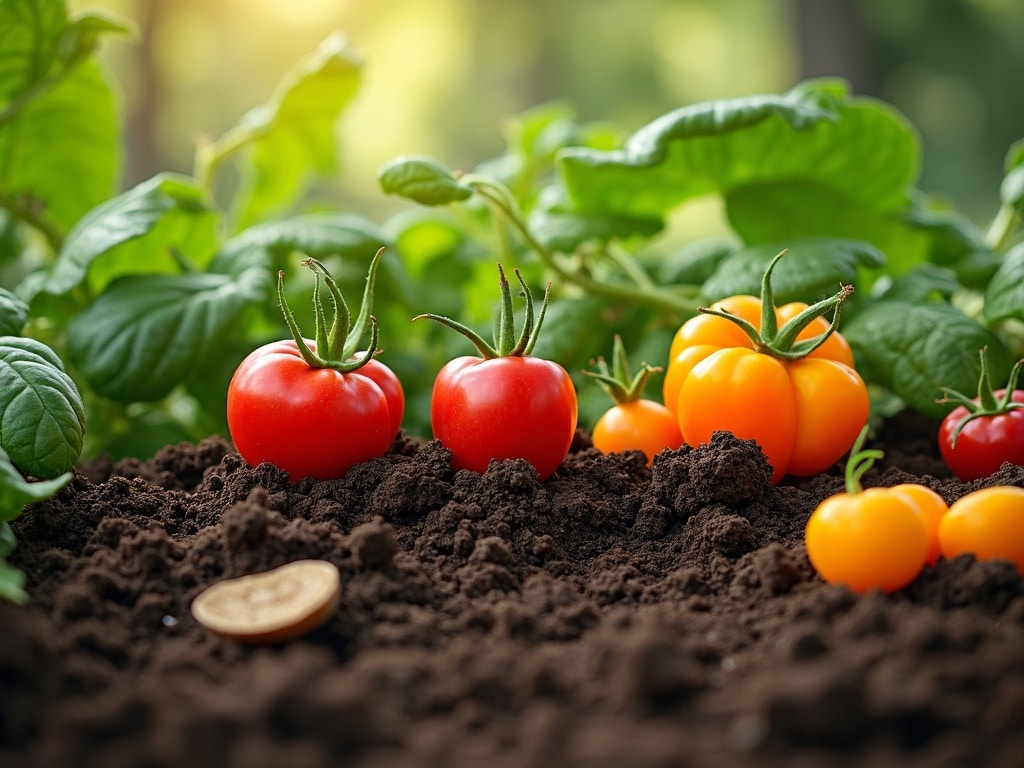
Step 7: Tilling (Optional)
Tilling involves turning over the soil to break up clumps and incorporate amendments. While tilling can be helpful, it's not always necessary, and it can even be detrimental to soil health if done excessively.
Discover Proven Techniques to Preserve Your Food Year-Round and Enjoy Less Waste with More Freshness
When Tilling is Beneficial
Tilling can be beneficial in the following situations:
- Breaking up compacted soil: Tilling can help to break up hard, compacted soil.
- Incorporating amendments: Tilling makes it easier to mix amendments into the soil.
- Creating a seedbed: Tilling can create a fine, loose seedbed for planting.
When to Avoid Tilling
Avoid tilling in the following situations:
- If your soil is already loose and well-drained: Tilling can disrupt the soil structure and harm beneficial microbes.
- If you have a lot of weed seeds in the soil: Tilling can bring weed seeds to the surface, causing them to germinate.
- If you are practicing no-till gardening: No-till gardening is a method of gardening that avoids tilling altogether, which can improve soil health over time.
Tilling Techniques
If you choose to till, use a garden fork, spade, or tiller to turn over the soil to a depth of 6-12 inches. Break up any large clumps of soil. Be careful not to till too deeply, as this can damage the soil structure.
Step 8: Testing Again
After amending the soil, it's wise to test the soil again to ensure the pH is correct, and nutrient levels are adequate. This will give you time to make further adjustments before planting. Sending a soil sample to a testing lab will give you the most comprehensive results.
Step 9: Let the Soil Rest
After preparing the soil, it's best to let it rest for a week or two before planting. This allows the soil to settle, the amendments to start breaking down, and the beneficial microbes to get to work. Water the soil lightly to help it settle.
Step 10: Planting Time!
Now that you've prepared your soil, you're ready to plant your vegetables! Follow the instructions on the seed packets or plant tags for spacing and planting depth. Water your plants regularly, and enjoy your bountiful harvest!
Specific Soil Preparation Considerations for Different Vegetables
While the general principles of soil preparation apply to all vegetables, some vegetables have specific soil requirements. Here are a few examples:
- Tomatoes: Prefer well-drained, slightly acidic soil (pH 6.0-6.8) that is rich in organic matter.
- Peppers: Similar to tomatoes, peppers prefer well-drained, slightly acidic soil (pH 6.0-6.8) and benefit from added phosphorus.
- Lettuce: Prefers well-drained, fertile soil with a pH of 6.0-7.0.
- Carrots: Prefer loose, sandy soil that is free of rocks and stones. Avoid adding too much nitrogen, as this can cause the carrots to become forked.
- Potatoes: Prefer well-drained, acidic soil (pH 4.8-5.5). Mound soil around the stems as the plants grow to encourage tuber (potato) formation.
Troubleshooting Common Soil Problems
Even with careful preparation, you may encounter some soil problems in your vegetable garden. Here are some common problems and how to address them:
- Compacted soil: Improve drainage and add organic matter. Avoid walking on the garden bed.
- Poor drainage: Add amendments to improve drainage, such as compost, coarse sand, or perlite. Consider installing a drainage system.
- Nutrient deficiencies: Add fertilizer or organic amendments to provide the missing nutrients. A soil test can help you identify specific nutrient deficiencies.
- Weeds: Remove weeds regularly by hand-pulling or hoeing. Mulch can help to suppress weed growth.
- Pests and diseases: Choose disease-resistant varieties of vegetables. Practice crop rotation to prevent the buildup of pests and diseases. Use organic pest control methods when necessary.
Maintaining Your Soil
Soil preparation is an ongoing process. To maintain healthy soil in your vegetable garden, follow these tips:
- Add compost regularly: Spread a layer of compost over the garden bed each spring and fall.
- Use mulch: Mulch helps to retain moisture, suppress weeds, and regulate soil temperature.
- Practice crop rotation: Rotate your crops each year to prevent the buildup of pests and diseases and to improve soil health.
- Avoid using synthetic pesticides and herbicides: These chemicals can harm beneficial microbes in the soil.
- Cover crop: Plant cover crops over the winter to protect the soil and add nutrients.
Conclusion
Preparing your soil for a vegetable garden is an investment that will yield delicious rewards. By understanding your soil, amending it properly, and maintaining it over time, you can create a thriving environment for your vegetables to flourish. So, get your hands dirty, and enjoy the satisfaction of growing your own fresh, healthy food!