
How to Store Onions and Garlic: A Comprehensive Guide to Freshness
Imagine the frustration: you reach for an onion to start dinner, only to find it's sprouted and soft, or your garlic cloves are moldy and unusable. Onions and garlic, flavor cornerstones of cuisines worldwide, often suffer from improper storage. But fear not! This comprehensive guide will arm you with the knowledge to keep your onions and garlic fresh, flavorful, and ready to elevate your cooking.
Understanding Onions and Garlic: Why Storage Matters
Before diving into storage techniques, it's essential to understand the composition and characteristics of onions and garlic. Both are members of the allium family, known for their pungent flavors and health benefits. However, their structure and dormancy periods dictate how they should be stored.
Onion Anatomy: Layers of Protection (and Vulnerability)
An onion's bulb is composed of layers of modified leaves surrounding a central bud. These layers protect the inner core, but are susceptible to moisture and bruising. When exposed to humidity, onions readily absorb water, which promotes sprouting and decay. Bruising damages the cell structure, releasing enzymes that initiate spoilage.
Garlic's Cloves: A Cluster of Flavor Needing Air
Garlic bulbs consist of individual cloves enclosed in a papery skin. Unlike onions, garlic requires good air circulation to prevent mold growth. The cloves themselves contain high levels of moisture and volatile compounds, which contribute to their characteristic aroma and flavor. Without proper ventilation, these compounds can lead to decay.
The Enemies of Freshness: Light, Moisture, and Heat
To store onions and garlic effectively, you must mitigate the three primary enemies of freshness: light, moisture, and heat.
- Light: Exposure to light triggers sprouting in both onions and garlic, diverting energy from the bulb and diminishing flavor.
- Moisture: Humidity encourages mold growth and softens the texture of both vegetables.
- Heat: High temperatures accelerate the breakdown of cellular structures, leading to spoilage and off-flavors.
Optimal Storage Conditions: The Sweet Spot for Longevity
The ideal storage environment for onions and garlic is cool, dry, and dark. Think of a well-ventilated pantry or a root cellar.
- Temperature: Aim for temperatures between 45-55°F (7-13°C).
- Humidity: Maintain low humidity levels (around 60-70%).
- Darkness: Shield them from direct sunlight and artificial light.
- Ventilation: Ensure good air circulation to prevent moisture buildup.
Step-by-Step Guide: How to Store Whole Onions
Storing whole onions properly significantly extends their shelf life. Here's a step-by-step guide:
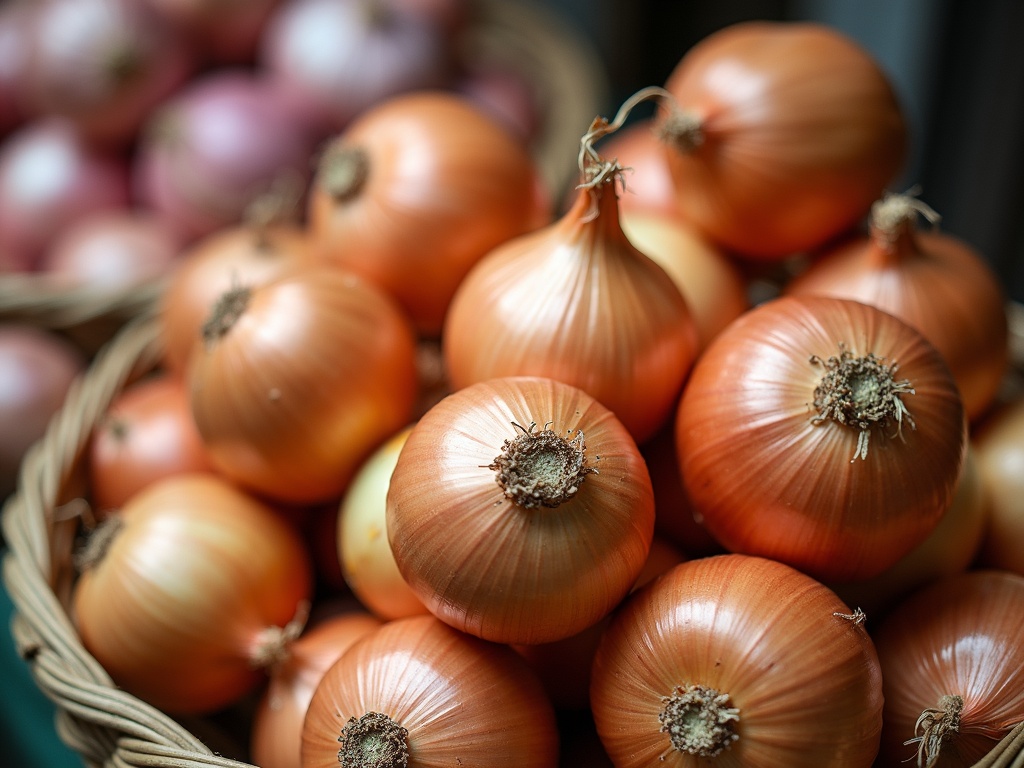
- Selection: Choose firm, unblemished onions with dry, papery skins. Avoid onions with soft spots, sprouts, or signs of mold.
- Curing (if necessary): If you've harvested your own onions, curing is crucial. Spread them out in a single layer in a dry, well-ventilated area for 2-3 weeks, or until the necks are completely dry and the outer skins are papery. This process hardens the outer layers and prevents moisture loss.
- Storage Container: The key is ventilation. Ideal options include:
- Mesh Bags: These provide excellent airflow. You can hang them in a cool, dark place.
- Wicker Baskets: Similar to mesh bags, wicker baskets offer breathability.
- Perforated Bins: Bins with holes allow air to circulate around the onions.
- Pantyhose: An old-fashioned but effective method! Place an onion in the leg of a clean pair of pantyhose, tie a knot above it, and repeat with each onion. Hang the pantyhose in a cool, dark place.
- Storage Location: Find a cool, dark and dry place. A pantry, basement, or unheated garage are typically good choices. Avoid storing onions near potatoes, as they release moisture and gases that can cause onions to spoil faster.
- Regular Inspection: Check your onions regularly for any signs of spoilage (soft spots, sprouts, mold). Remove any affected onions immediately to prevent the problem from spreading.
Storing Cut Onions: Minimizing Waste and Maximizing Flavor
Cut onions spoil much faster than whole onions due to the exposed flesh. Here's how to store them properly:
- Proper Wrapping: Wrap the cut onion tightly in plastic wrap or place it in an airtight container. Minimize air exposure to prevent oxidation and drying out.
- Refrigeration: Store the wrapped or contained cut onion in the refrigerator.
- Limited Storage Time: Use cut onions within 2-3 days. They will lose their pungency and become less flavorful over time.
Freezing Cut Onions: A Convenient Option
Freezing is a viable option for longer-term storage of cut onions. Keep in mind that freezing changes the texture, making them best suited for cooked dishes rather than raw applications.
- Chopping/Dicing: Chop or dice the onions to your desired size.
- Freezing in a Single Layer: Spread the chopped onions in a single layer on a baking sheet lined with parchment paper. This prevents them from clumping together.
- Flash Freezing: Place the baking sheet in the freezer for 1-2 hours, or until the onions are frozen solid.
- Transfer to a Freezer Bag: Transfer the frozen onions to a freezer bag or airtight container. Label with the date.
- Storage Time: Frozen onions can be stored for up to 3-6 months.
Storing Garlic: Maintaining Aroma and Preventing Mold
Garlic requires slightly different storage conditions than onions to prevent mold growth. Here's how to store whole and peeled garlic:
Storing Whole Garlic Bulbs
- Selection: Choose firm, plump garlic bulbs with tight, unbroken skins. Avoid bulbs with soft spots, sprouts, or signs of mold.
- Storage Container: Like onions, garlic needs good air circulation.
- Mesh Bags: Ideal for ventilation.
- Wicker Baskets: Another breathable option.
- Open Bowls: If you have a cool, dry pantry, you can simply store garlic in an open bowl.
- Storage Location: Store in a cool, dry, and dark place with good ventilation. A pantry is usually a good choice.
- Avoid Refrigeration: Storing whole garlic in the refrigerator can cause it to sprout and become rubbery.
- Regular Inspection: Check regularly for signs of mold or sprouting.
Storing Peeled Garlic Cloves
Peeled garlic cloves are more perishable than whole bulbs. Here's how to extend their shelf life:
- Refrigeration: Store peeled garlic cloves in an airtight container in the refrigerator.
- Submerged in Oil: A popular method is to submerge the peeled cloves in olive oil. This helps preserve them and infuses the oil with garlic flavor. Important Safety Note: Garlic stored in oil at room temperature can create an anaerobic (oxygen-free) environment that supports the growth of *Clostridium botulinum*, the bacteria that causes botulism. Always refrigerate garlic stored in oil and use it within a week.
- Pickling: Pickling garlic is another preservation method. The acidity of the pickling brine inhibits bacterial growth.
- Limited Storage Time: Use refrigerated peeled garlic cloves within a week.
Freezing Garlic: An Easy Option for Later Use
Freezing is a convenient way to store garlic for longer periods.
- Mincing/Chopping: Mince or chop the garlic cloves.
- Freezing in Oil (Optional): Mix the minced garlic with a little olive oil to help preserve its flavor and prevent freezer burn.
- Ice Cube Trays: Spoon the minced garlic (with or without oil) into ice cube trays.
- Freezing: Freeze until solid.
- Transfer to a Freezer Bag: Transfer the frozen garlic cubes to a freezer bag or airtight container. Label with the date.
- Storage Time: Frozen garlic can be stored for up to 6-12 months.
Debunking Myths: Common Onion and Garlic Storage Mistakes
Several common misconceptions surround onion and garlic storage. Let's debunk some myths:
- Myth: Storing onions and potatoes together is fine. Truth: Potatoes release moisture and gases that can cause onions to spoil faster. Store them separately.
- Myth: Refrigerating whole onions and garlic extends their shelf life. Truth: Refrigeration can actually shorten the shelf life of whole onions and garlic, causing them to sprout or become rubbery.
- Myth: Storing garlic in oil at room temperature is safe. Truth: Garlic stored in oil at room temperature can pose a botulism risk. Always refrigerate and use within a week.
Troubleshooting: Addressing Common Storage Problems
Even with the best storage practices, you may encounter some problems. Here's how to troubleshoot them:
- Sprouting: If your onions or garlic are sprouting, they are still safe to eat. Simply remove the green sprouts before using. The flavor may be milder.
- Soft Spots: Soft spots indicate decay. Cut away the affected areas, but if the spoilage is extensive, discard the onion or garlic.
- Mold: Mold is a sign of excessive moisture. Discard the affected onion or garlic immediately.
- Rubbery Texture: Refrigerated garlic can sometimes become rubbery. It's still safe to eat, but the texture may be unpleasant.
Extending Shelf Life: Tips and Tricks for Maximum Freshness
Beyond the basic storage guidelines, here are some additional tips to extend the shelf life of your onions and garlic:
- Buy in Bulk Strategically: Only purchase the amount of onions and garlic you can realistically use before they spoil.
- Handle with Care: Avoid bruising or damaging onions and garlic during handling, as this can initiate spoilage.
- Proper Curing: If you grow your own onions and garlic, proper curing is essential for long-term storage.
- Utilize Dehydrators: Dehydrating onions and garlic is an excellent way to preserve them for extended periods. You can then grind them into powders or flakes for use in cooking. [externalLink insert]
Creative Uses for Onions and Garlic: Beyond the Basics
Now that you know how to store your onions and garlic properly, let's explore some creative ways to use them in the kitchen:
- Caramelized Onions: A sweet and savory topping for burgers, pizzas, and sandwiches.
- Garlic Confit: Slow-cooked garlic cloves in olive oil, resulting in a spreadable, intensely flavorful condiment.
- Onion Soup: A classic French soup with rich, caramelized onion flavor.
- Garlic Bread: A simple yet satisfying side dish.
- Infused Oils: Add garlic or onions to olive oil for a flavor boost.
Conclusion: Mastering the Art of Onion and Garlic Storage
Proper onion and garlic storage is a simple yet crucial aspect of minimizing food waste and maximizing flavor. By understanding the principles of cool, dry, dark, and well-ventilated environments, you can keep these essential ingredients fresh and ready to elevate your culinary creations. So, say goodbye to sprouted onions and moldy garlic, and embrace the delicious possibilities of perfectly preserved alliums! Happy cooking!