
Natural Pest Control for Vegetable Gardens: A Comprehensive Guide
Imagine strolling through your vegetable garden, vibrant with life, the air thick with the promise of a bountiful harvest. Tomatoes plump and red, peppers gleaming, and leafy greens bursting with vitality. But then, a closer look reveals a less idyllic scene: tiny holes in the leaves, ravaged stems, and unwelcome guests feasting on your precious plants. Pests! The bane of every gardener's existence. Before you reach for harsh chemicals, consider a gentler, more sustainable approach. This is your guide to natural pest control for vegetable gardens, a comprehensive exploration of how to protect your plants and nurture a thriving ecosystem, all without harming beneficial insects, pollinators, or yourself.
Understanding the Enemy: Common Garden Pests
Know thy enemy, as the saying goes. Identifying the pests plaguing your garden is the first crucial step. Each pest has its weaknesses, its preferred meals, and its vulnerabilities. A general understanding of common garden culprits can help you tailor your natural pest control strategies.
Aphids: The Sap-Sucking Swarm
These tiny, pear-shaped insects come in various colors – green, black, even pink! They cluster on new growth, sucking the sap from leaves and stems, causing them to distort and curl. Aphids excrete a sticky substance called honeydew, which attracts ants and can lead to sooty mold growth.
- Signs of infestation: Curled or distorted leaves, sticky honeydew, presence of ants.
- Plants commonly affected: Tomatoes, peppers, lettuce, broccoli, roses.
Cabbage White Butterflies (and their Caterpillars)
While the butterflies themselves are beautiful, their caterpillars are voracious eaters of brassicas (cabbage, broccoli, kale, etc.). These green caterpillars can quickly decimate entire plants.
- Signs of infestation: Noticeable white butterflies fluttering around, large holes in leaves, green caterpillars present.
- Plants commonly affected: Cabbage, broccoli, kale, cauliflower, Brussels sprouts.
Slugs and Snails: The Nighttime Nibblers
These slimy mollusks are most active at night, leaving telltale trails of slime and irregular holes in leaves. They particularly love tender seedlings and leafy greens.
- Signs of infestation: Slime trails, irregular holes in leaves (especially near the ground), seeing them active at night.
- Plants commonly affected: Lettuce, cabbage, hostas, strawberries.
Tomato Hornworms: The Master of Disguise
These large, green caterpillars are masters of camouflage, blending seamlessly with tomato foliage. They have a distinctive horn on their rear end and can defoliate entire tomato plants in a matter of days.
- Signs of infestation: Missing leaves, large green caterpillars with a horn, dark droppings on leaves.
- Plants commonly affected: Tomatoes, peppers, eggplants.
Squash Bugs: The Sap-Sucking Specialists
These brown, shield-shaped bugs suck the sap from squash, pumpkins, and other cucurbits. They can weaken plants and transmit diseases.
- Signs of infestation: Wilting leaves, yellowing patches on leaves, presence of brown, shield-shaped bugs.
- Plants commonly affected: Squash, pumpkins, zucchini, cucumbers.
Flea Beetles: The Jumping Jack Flash
These tiny, jumping beetles chew small, round holes in leaves, giving them a shotgun appearance. They are particularly fond of young seedlings.
- Signs of infestation: Small, round holes in leaves, tiny beetles that jump when disturbed.
- Plants commonly affected: Eggplants, tomatoes, peppers, radishes, kale.
The Foundation of Defense: Creating a Healthy Garden Ecosystem
Before you even consider specific pest control methods, focus on building a healthy garden ecosystem. Strong, healthy plants are naturally more resilient to pests and diseases. This holistic approach involves several key elements:
Healthy Soil: The Root of All Good
Healthy soil is teeming with beneficial microorganisms that support plant growth and suppress diseases. Amend your soil with compost, aged manure, or other organic matter to improve its structure, drainage, and fertility. Regular soil testing can help you identify any nutrient deficiencies and adjust accordingly.
Proper Watering Techniques: Avoid Overwatering
Overwatering can create favorable conditions for fungal diseases and attract certain pests. Water deeply and less frequently, allowing the soil to dry out slightly between waterings. Water in the morning to allow foliage to dry before nightfall.
Sunlight: The Energy Source
Ensure your plants receive the appropriate amount of sunlight. Most vegetables require at least six hours of direct sunlight per day. Insufficient sunlight can weaken plants and make them more susceptible to pests and diseases.
Crop Rotation: Disrupting Pest Cycles
Avoid planting the same type of vegetable in the same location year after year. Crop rotation helps to disrupt pest and disease cycles, preventing them from building up in the soil. .
Companion Planting: Natural Allies
Certain plants can deter pests or attract beneficial insects. Planting these companion plants alongside your vegetables can provide natural pest control benefits. Here are a few examples:
- Marigolds: Repel nematodes, aphids, and whiteflies.
- Basil: Repels flies, mosquitoes, and tomato hornworms.
- Nasturtiums: Trap aphids and attract beneficial insects.
- Garlic: Repels aphids, Japanese beetles, and cabbage moths.
Natural Pest Control Methods: A Multifaceted Approach
Once you have a healthy garden ecosystem in place, you can supplement with specific natural pest control methods. These methods are generally safer for the environment, beneficial insects, and your family than synthetic pesticides.
Physical Barriers: Preventing Access
Physical barriers prevent pests from reaching your plants in the first place. This is a simple yet effective approach, especially for protecting vulnerable seedlings.
- Row Covers: Lightweight fabric covers that protect plants from insects, birds, and even frost. They are ideal for protecting seedlings and young plants. Make sure to remove them when plants start flowering if they need pollination.
- Netting: Used to protect fruit trees and berry bushes from birds.
- Copper Tape: Creates a barrier that slugs and snails are reluctant to cross. Wrap copper tape around pots or raised beds.
- Collars: Cardboard or plastic collars placed around the base of plants can protect them from cutworms.
Handpicking: The Personal Touch
For larger pests like tomato hornworms and squash bugs, handpicking is a surprisingly effective method. Simply inspect your plants regularly and remove any pests you find. Drop them into a bucket of soapy water to dispose of them.
Water Sprays: A Simple Solution
A strong stream of water from a hose can dislodge aphids, spider mites, and other small pests. Repeat this treatment every few days as needed. Be sure to spray both the tops and bottoms of leaves.
Insecticidal Soap: A Gentle Detergent
Insecticidal soap is a fatty acid-based soap that disrupts the cell membranes of soft-bodied insects like aphids, spider mites, whiteflies, and thrips. It is generally safe for beneficial insects, but it's best to test it on a small area of the plant first. Follow the manufacturer's instructions carefully.
How to use: Dilute insecticidal soap according to the label instructions and spray directly onto the pests. Repeat every few days as needed.
Neem Oil: A Botanical Broad-Spectrum Solution
Neem oil is a natural insecticide and fungicide derived from the neem tree. It works by disrupting the hormones of insects, preventing them from feeding, molting, and reproducing. It is effective against a wide range of pests, including aphids, spider mites, whiteflies, Japanese beetles, and caterpillars. Neem oil is also effective against fungal diseases like powdery mildew and black spot. [externalLink insert]
How to use: Dilute neem oil according to the label instructions and spray thoroughly on all parts of the plant, including the undersides of leaves. Apply in the evening to avoid burning the foliage in the sun. Repeat every 7-14 days as needed.
Diatomaceous Earth (DE): A Microscopic Weapon
Diatomaceous earth is made from the fossilized remains of diatoms, a type of algae. It consists of tiny, sharp particles that damage the exoskeletons of insects, causing them to dehydrate and die. Use *food gradediatomaceous earth only.
How to use: Sprinkle diatomaceous earth around the base of plants and on the foliage. Reapply after rain or watering. Be careful not to inhale the dust.
Attracting Beneficial Insects: Allies in the Garden
Beneficial insects are natural predators that feed on pests, helping to keep their populations in check. By creating a habitat that attracts and supports beneficial insects, you can create a more balanced and sustainable garden ecosystem. Some beneficial insects include:
- Ladybugs: Devour aphids, spider mites, and other soft-bodied insects.
- Lacewings: Feed on aphids, whiteflies, and caterpillars.
- Hoverflies: Their larvae feed on aphids.
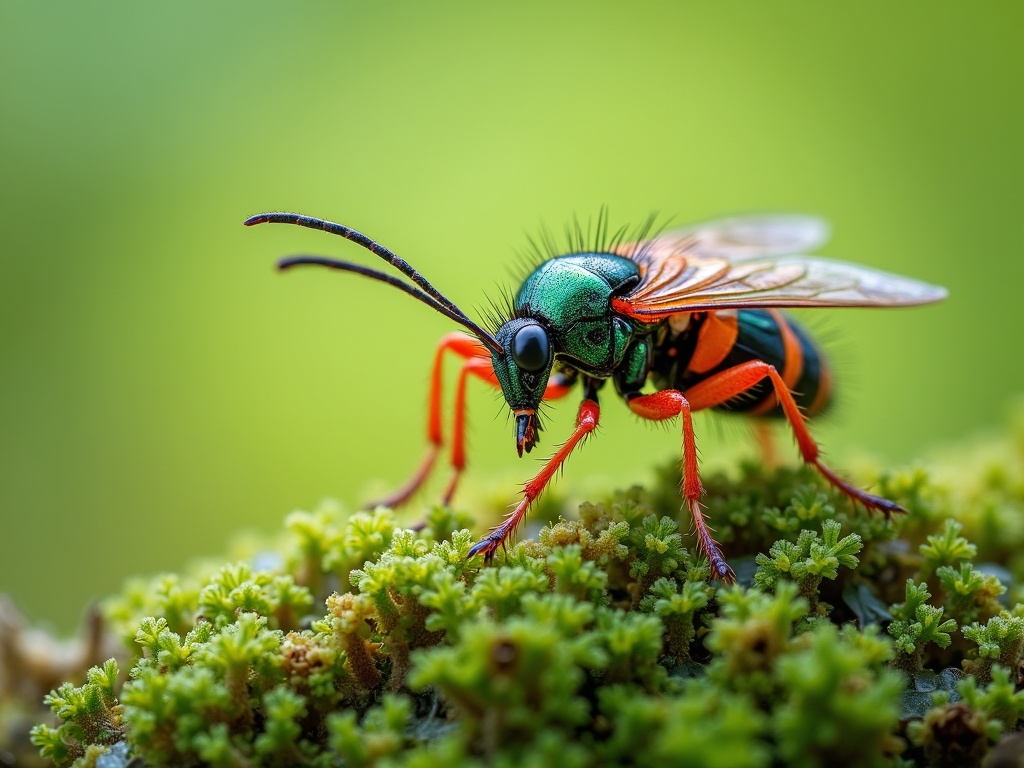
- Parasitic Wasps: Lay their eggs inside pest insects, eventually killing them.
- Praying Mantises: Eat a wide variety of insects.
- Plant flowers that provide nectar and pollen: Yarrow, dill, fennel, sunflowers, and coneflowers are particularly attractive to beneficial insects.
- Provide a water source: A shallow dish of water with pebbles for insects to land on can be a lifesaver.
- Avoid using broad-spectrum insecticides: These can kill beneficial insects as well as pests.
- Provide shelter: Leave some leaf litter and dead stems in the garden to provide overwintering habitat for beneficial insects.
- Garlic Spray: Blend 2-3 cloves of garlic with 1 liter of water. Let it steep for a few hours, then strain and spray on plants to repel aphids, whiteflies, and other pests.
- Hot Pepper Spray: Mix 1 tablespoon of hot pepper flakes with 1 liter of water and a few drops of dish soap. Let it steep for a few hours, then strain and spray on plants to repel a variety of pests. Wear gloves and eye protection when handling hot pepper spray.
- Soap Spray: Mix 1-2 teaspoons of liquid dish soap (not detergent) with 1 liter of water. Spray on plants to control aphids, spider mites, and whiteflies.
- Common Pests: Aphids, tomato hornworms, whiteflies, flea beetles.
- Natural Control Strategies: Handpick hornworms, spray with insecticidal soap or neem oil, use row covers to protect seedlings from flea beetles, plant basil as a companion plant.
- Common Pests: Aphids, flea beetles, pepper weevils.
- Natural Control Strategies: Spray with insecticidal soap or neem oil, use row covers to protect seedlings from flea beetles, inspect plants regularly for pepper weevils and remove them by hand.
- Common Pests: Cabbage white caterpillars, aphids, flea beetles.
- Natural Control Strategies: Use row covers to prevent butterflies from laying eggs, handpick caterpillars, spray with Bacillus thuringiensis (Bt), a natural bacterium that targets caterpillars.
- Common Pests: Slugs, aphids, leaf miners.
- Natural Control Strategies: Use beer traps to attract slugs, spray with insecticidal soap, use row covers to prevent leaf miner infestations.
- Common Pests: Squash bugs, squash vine borers, cucumber beetles.
- Natural Control Strategies: Handpick squash bugs, use row covers to prevent squash vine borer moths from laying eggs, wrap stems with aluminum foil to deter borers, plant radishes as a companion plant to repel cucumber beetles.
- Inspect plants at least once a week: Look for signs of damage, such as holes in leaves, curled leaves, or sticky honeydew.
- Clean up garden debris: Remove dead leaves, stems, and other plant debris to eliminate overwintering sites for pests and diseases.
- Weed regularly: Weeds can harbor pests and diseases.
- Rotate crops: Avoid planting the same type of vegetable in the same location year after year.
- Practice good sanitation: Clean your gardening tools regularly to prevent the spread of diseases.
How to attract beneficial insects:
Homemade Pest Control Recipes: DIY Solutions
Many effective pest control solutions can be made at home using readily available ingredients. These recipes are often cheaper and more environmentally friendly than commercial products.
Specific Pest Control Strategies by Vegetable
While the above methods provide a general overview of natural pest control, it's helpful to know which pests are most likely to target specific vegetables and how to address them.
Tomatoes
Peppers
Cabbage and Broccoli
Lettuce and Spinach
Squash and Pumpkins
Monitoring and Prevention: The Keys to Success
The most effective pest control is prevention. Regularly inspect your plants for signs of pests or diseases. Early detection and intervention can prevent a small problem from becoming a major infestation.
When to Seek Professional Help
While natural pest control methods are often effective, there may be times when you need to seek professional help. If you have a severe infestation that you cannot control with natural methods, or if you are unsure of the best course of action, consult with a certified organic pest control specialist.
The Reward: A Bountiful, Healthy Harvest
Natural pest control for vegetable gardens is an ongoing process that requires patience, observation, and a willingness to experiment. But the rewards are well worth the effort: a bountiful, healthy harvest of delicious, homegrown vegetables, grown without harmful chemicals, and a thriving garden ecosystem that supports biodiversity and sustainability. So, embrace the natural approach, and enjoy the fruits (and vegetables!) of your labor.