
How to Get Rid of Japanese Beetles Naturally: A Complete Guide
Imagine strolling through your garden, the vibrant colors of your roses and the lush greenery of your vegetable plants catching your eye. But wait, what's that metallic glint amidst the leaves? Closer inspection reveals the unwelcome presence of Japanese beetles, feasting on your precious plants. These iridescent pests can quickly turn a thriving garden into a decimated landscape. But before you reach for harsh chemicals, know that there are effective and eco-friendly ways to combat these invaders. This comprehensive guide will equip you with the knowledge and techniques to get rid of Japanese beetles naturally and reclaim your garden.
Understanding the Enemy: The Japanese Beetle Life Cycle
To effectively combat Japanese beetles, it's crucial to understand their life cycle. Knowing when they are most vulnerable allows you to target your efforts for maximum impact. These beetles undergo complete metamorphosis, meaning they have four distinct life stages:
- Egg: Female beetles lay their eggs in the soil, typically in grassy areas, during the summer months.
- Larva (Grub): The eggs hatch into larvae, commonly known as grubs, which feed on the roots of grasses and other plants in the soil. This is when they can cause significant damage to lawns.
- Pupa: After several molts, the grub transforms into a pupa in the soil, preparing for its adult stage.
- Adult Beetle: The adult beetles emerge from the soil in late spring or early summer, ready to feed and reproduce. This is when they wreak havoc on gardens and ornamental plants.
The adult Japanese beetle's life span is relatively short, typically lasting only 30-45 days. However, during this time, they can cause significant damage due to their voracious appetites and large numbers.
Identifying Japanese Beetles: What to Look For
Japanese beetles are easily identifiable by their distinctive appearance:
- Size: They are relatively small, about 1/2 inch long.
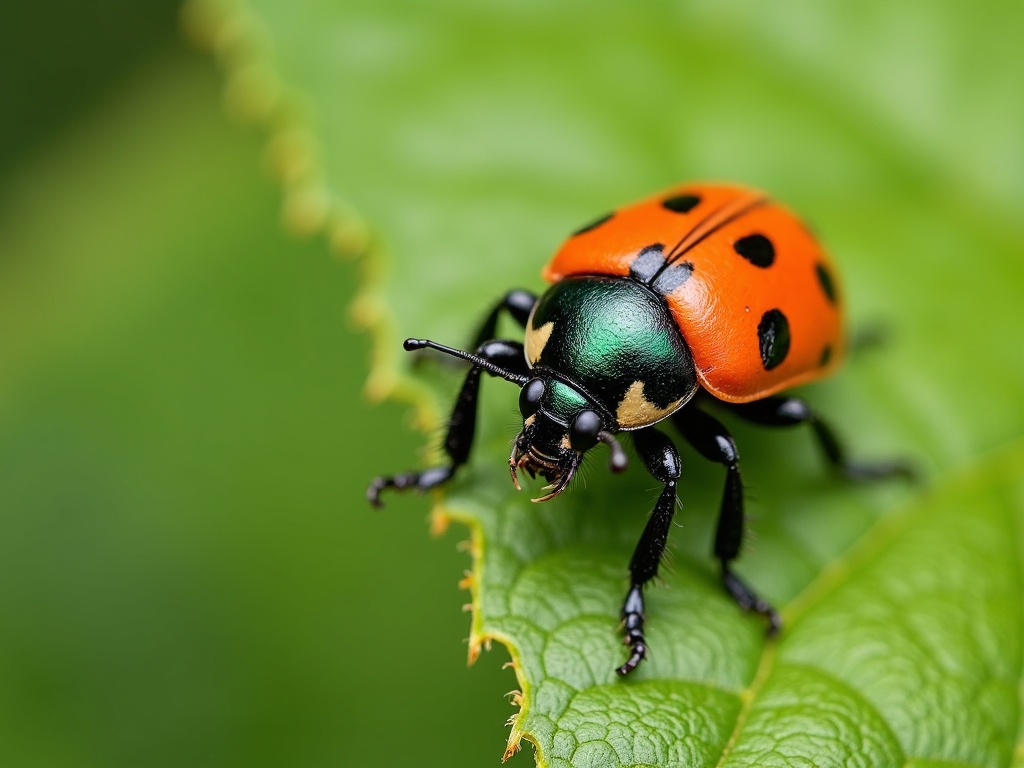
- Color: They have a metallic green head and thorax with copper-brown wing covers.
- Markings: They have five patches of white hairs along each side of their abdomen and two patches on the tip.
These beetles are often found in groups, feeding on leaves, flowers, and fruits. They skeletonize leaves, leaving behind a lacy appearance. They are also attracted to overripe fruit.
Natural Strategies for Getting Rid of Japanese Beetles
Now that you know what you're up against, let's explore natural and effective methods for controlling Japanese beetles.
1. Handpicking: A Simple and Effective Solution
For smaller infestations, handpicking is a simple and effective way to remove Japanese beetles. This method is best done in the early morning when the beetles are less active due to the cooler temperatures.
How to Handpick:
- Fill a bucket with soapy water. The soap helps to break the surface tension of the water, causing the beetles to drown.
- Gently knock the beetles off the plants and into the bucket of soapy water.
- Dispose of the dead beetles properly.
Consistency is key with handpicking. Doing it regularly, even daily during peak season, can significantly reduce the beetle population in your garden.
2. Row Covers: Protecting Your Plants
Row covers are lightweight fabrics that you can place over your plants to create a physical barrier, preventing Japanese beetles from reaching them. This method is particularly useful for protecting vulnerable plants like roses, beans, and raspberries.
How to Use Row Covers:
- Choose a lightweight row cover fabric that allows sunlight and water to penetrate.
- Drape the row cover over your plants, ensuring it extends to the ground on all sides.
- Secure the edges of the row cover with soil, rocks, or stakes to prevent beetles from crawling underneath.
Row covers are most effective when used preventatively, before the beetles arrive. They can also be used to protect plants that have already been infested after you've removed the beetles by hand.
3. Neem Oil: A Natural Insecticide
Neem oil is a natural insecticide derived from the neem tree. It works by disrupting the beetle's feeding and reproductive cycles. It's a systemic insecticide, meaning it's absorbed by the plant and can protect it from the inside out.
How to Use Neem Oil:
- Purchase a neem oil product specifically formulated for use on plants.
- Dilute the neem oil according to the manufacturer's instructions.
- Apply the neem oil solution thoroughly to all parts of the plant, including the leaves, stems, and flowers.
- Reapply neem oil every 7-14 days, or as needed, especially after rain.
Neem oil is most effective when applied early in the morning or late in the evening when the temperatures are cooler. Avoid applying it during the heat of the day, as it can burn the foliage.
4. Insecticidal Soap: A Contact Insecticide
Insecticidal soap is another natural insecticide that is effective against Japanese beetles. It works by disrupting the beetle's cell membranes, causing them to dehydrate and die. Unlike neem oil, insecticidal soap is a contact insecticide, meaning it only kills the beetles that it directly contacts.
How to Use Insecticidal Soap:
- Purchase an insecticidal soap product specifically formulated for use on plants.
- Dilute the insecticidal soap according to the manufacturer's instructions.
- Apply the insecticidal soap solution thoroughly to all parts of the plant, including the leaves, stems, and flowers.
- Reapply insecticidal soap every few days, or as needed, especially after rain.
Like neem oil, insecticidal soap is most effective when applied early in the morning or late in the evening when the temperatures are cooler. Be sure to test it on a small area of the plant first to ensure it doesn't cause any damage.
5. Floating Row Covers: Shielding Vulnerable Plants
Floating row covers provide a physical barrier against Japanese beetles, preventing them from accessing your prized plants. These covers are particularly useful for protecting vegetable gardens and flower beds.
How to Use Floating Row Covers:
- Select a lightweight floating row cover that allows sunlight and water to reach your plants.
- Drape the row cover over your plants, ensuring it is securely anchored to the ground.
- Monitor your plants regularly for any signs of pests or diseases and remove the row cover as needed for maintenance.
6. Companion Planting: Natural Repellents
Certain plants have natural repellent properties that can deter Japanese beetles. Planting these companions around your vulnerable plants can help to keep the beetles away. Some effective companion plants include:
- Garlic: Garlic has a strong odor that repels many insects, including Japanese beetles.
- Chives: Like garlic, chives have a strong odor that acts as a natural repellent.
- Marigolds: Marigolds contain a compound called pyrethrum, which is a natural insecticide.
- Nasturtiums: Nasturtiums attract Japanese beetles, drawing them away from your more valuable plants. You can then remove the beetles from the nasturtiums by hand or with a vacuum.
Experiment with different companion plants to find the combination that works best for your garden.
7. Milky Spore: Targeting the Grubs
Milky spore is a naturally occurring bacterium that infects and kills Japanese beetle grubs in the soil. It's a long-term solution that can provide several years of control.
How to Use Milky Spore:
- Purchase a milky spore product specifically formulated for Japanese beetle control.
- Apply the milky spore powder to your lawn and garden soil according to the manufacturer's instructions.
- Water the treated area thoroughly to help the milky spore penetrate the soil.
- Reapply milky spore every year for the first few years to establish a strong population in the soil.
Milky spore is most effective when applied in the spring or fall when the grubs are actively feeding in the soil. It's a safe and environmentally friendly way to control Japanese beetles without harming beneficial insects or other wildlife.
8. Nematodes: Microscopic Allies
Beneficial nematodes are microscopic worms that parasitize and kill Japanese beetle grubs in the soil. They are a natural and effective way to control grubs without harming beneficial organisms.
How to Use Nematodes:
- Purchase a nematode product specifically formulated for Japanese beetle grub control.
- Mix the nematodes with water according to the manufacturer's instructions.
- Apply the nematode solution to your lawn and garden soil using a sprayer or watering can.
- Water the treated area thoroughly to help the nematodes penetrate the soil.
Nematodes are most effective when applied in the spring or fall when the grubs are actively feeding in the soil. Keep the soil moist for several weeks after application to ensure the nematodes thrive.
9. Traps: Use with Caution
Japanese beetle traps use pheromones to attract beetles from a distance. While they can be effective at catching beetles, they can also attract more beetles to your yard than you would have otherwise.
How to Use Traps:
- Place the trap as far away from your vulnerable plants as possible, ideally on the perimeter of your property.
- Empty the trap regularly to prevent it from becoming overcrowded and less effective.
- Be aware that traps may attract more beetles to your yard, so use them with caution.
If you choose to use traps, be sure to supplement them with other control methods, such as handpicking and neem oil, to protect your plants.
Protecting Your Lawn: Grub Control Strategies
Since Japanese beetle grubs feed on the roots of grasses, controlling them in your lawn is an important part of managing the overall population. Healthy lawns are also more resistant to grub damage.
1. Proper Lawn Care: A Healthy Defense
Maintaining a healthy lawn is the first line of defense against grub infestations. Here are some key practices:
- Proper Watering: Water deeply and infrequently to encourage deep root growth.
- Fertilization: Fertilize your lawn regularly with a balanced fertilizer.
- Aeration: Aerate your lawn to improve drainage and air circulation.
- Thatch Removal: Remove excess thatch to prevent grubs from finding shelter.
2. Grub-Specific Treatments: Targeting the Source
Several organic treatments can target grubs specifically without harming beneficial insects or the environment.
- Milky Spore: As mentioned earlier, milky spore disease is a highly effective long-term solution for controlling Japanese beetle grubs.
- Nematodes: Beneficial nematodes are another excellent option for controlling grubs.
Apply these treatments according to package directions, paying attention to timing for optimal results.
Plant Selection: Choosing Resistant Varieties
One of the best ways to avoid Japanese beetle problems is to choose plant varieties that are less susceptible to their attacks. While no plant is completely immune, some are definitely less appealing to these pests.
1. Plants Less Attractive to Japanese Beetles: Building a Beetle-Resistant Garden
Consider incorporating these plants into your landscape:
- Trees: Red maple, ash, dogwood, ginkgo, and tulip poplar.
- Shrubs: Boxwood, lilac, forsythia, and potentilla.
- Flowers: Begonias, chrysanthemums, daylilies, impatiens, and pansies.
These plants either have tougher leaves that are difficult for beetles to chew or contain compounds that deter them.
2. Plants Highly Attractive to Japanese Beetles: Know What to Avoid
Conversely, avoid planting these if Japanese beetles are a major issue in your area:
- Roses: A favorite target.
- Linden Trees: Often heavily infested.
- Grape Vines: Can be severely damaged.
- Fruit Trees (especially plums and cherries): Also very attractive.
Creating a Beetle-Unfriendly Environment: General Garden Practices
Beyond specific treatments and plant choices, several general garden practices can make your yard less attractive to Japanese beetles.
1. Good Sanitation: Removing Temptations
Keep your garden clean by removing fallen fruit, decaying leaves, and other organic debris that can attract beetles.
2. Crop Rotation: Disrupting the Cycle
In vegetable gardens, rotate crops each year to disrupt the beetle's feeding patterns and prevent them from establishing themselves in one area.
3. Healthy Soil: Stronger Plants, Better Defense
Healthy soil leads to healthy plants, which are better able to withstand pest damage. Amend your soil with compost and other organic matter to improve its fertility and drainage.
Dealing with Severe Infestations: Combining Strategies
If you have a severe Japanese beetle infestation, you may need to combine several strategies to get it under control. A multifaceted approach is often the most effective.
1. Integrated Pest Management (IPM): A Holistic Approach
IPM is a comprehensive approach to pest control that combines various methods to minimize pesticide use and maximize effectiveness. It involves:
- Monitoring: Regularly inspect your plants for signs of pests.
- Identification: Correctly identify the pest you are dealing with.
- Prevention: Implement preventative measures, such as choosing resistant plant varieties and maintaining healthy soil.
- Control: Use a combination of control methods, starting with the least toxic options first.
2. When to Consider Professional Help: A Last Resort?
If you have tried all of the natural methods and are still struggling with Japanese beetles, you may want to consider consulting with a professional pest control service. They can provide additional treatments and strategies to help you get the infestation under control. Always inquire about their IPM practices and their commitment to environmentally responsible pest management.
Long-Term Prevention: Staying Ahead of the Beetles
Controlling Japanese beetles is an ongoing process. Here are some tips for long-term prevention:
- Continue to monitor your plants regularly for signs of pests.
- Reapply milky spore or nematodes every few years to keep the grub population under control.
- Maintain healthy soil and practice good garden sanitation.
- Choose resistant plant varieties whenever possible.
By following these tips, you can create a garden that is less attractive to Japanese beetles and more resilient to their attacks.
Debunking Myths About Japanese Beetle Control
There are many myths and misconceptions about Japanese beetle control. Here are a few common ones:
- Myth: Japanese beetle traps will solve the problem. As mentioned earlier, traps can actually attract more beetles to your yard.
- Myth: You have to use harsh chemicals to control Japanese beetles. There are many effective natural and organic methods available.
- Myth: Once you have Japanese beetles, you'll always have them. With consistent effort and the right strategies, you can significantly reduce their population.
The Importance of Patience and Persistence
Controlling Japanese beetles naturally takes time and effort. Don't get discouraged if you don't see results immediately. Be patient, persistent, and consistent with your chosen methods, and you will eventually get the upper hand.
Conclusion: Reclaiming Your Garden
Japanese beetles can be a frustrating pest, but with the right knowledge and strategies, you can get rid of them naturally and reclaim your garden. By understanding their life cycle, implementing preventative measures, and using a combination of natural control methods, you can create a thriving and beautiful landscape that is less susceptible to their attacks. So, put on your gardening gloves, arm yourself with these techniques, and get ready to say goodbye to those pesky Japanese beetles!