
Greenhouse Shelving and Staging Ideas: Maximize Your Growing Space
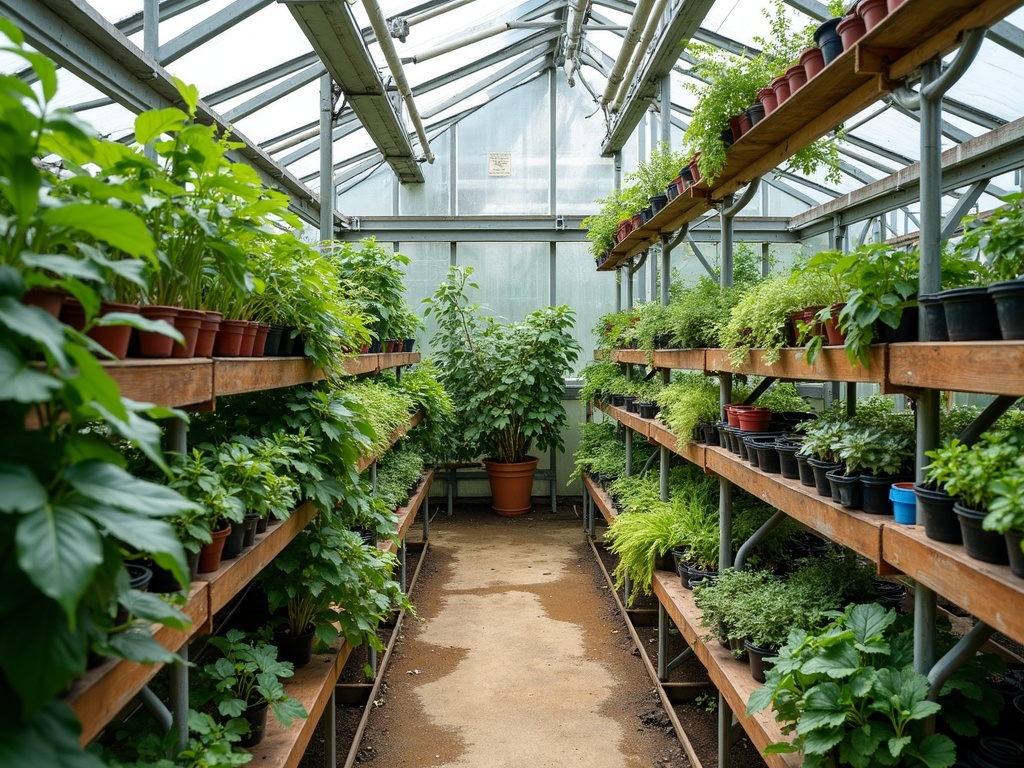
Imagine stepping into a lush, organized greenhouse, where every seedling and pot has its place, bathed in sunlight. This isn't just a dream; it's achievable with the right greenhouse shelving and staging. Let's explore how to transform your greenhouse into a thriving, efficient, and visually appealing haven for your plants.
Why is Greenhouse Shelving and Staging Important?
Shelving and staging in a greenhouse go beyond mere aesthetics. They are fundamental to optimizing space, improving plant health, and enhancing the overall efficiency of your growing operation.
Space Optimization
Greenhouses, regardless of size, often benefit from clever space-saving strategies. Vertical space is prime real estate often left untapped. Shelving allows you to stack plants, maximizing the number you can grow in a limited area. Staging, meanwhile, helps organize plants at different heights, ensuring each gets adequate light and airflow.
Improved Plant Health
Proper staging and shelving contribute significantly to plant health. They facilitate better air circulation around plants, reducing the risk of fungal diseases. Staging also raises plants off the ground, protecting them from soil-borne pests and diseases. Adequate spacing prevents overcrowding, which can lead to nutrient deficiencies and stunted growth.
Enhanced Efficiency
Well-organized shelving and staging streamline greenhouse tasks. Watering, fertilizing, and pruning become easier when plants are accessible and neatly arranged. This efficiency saves time and energy, allowing you to focus on nurturing your plants. Moreover, an organized greenhouse makes it simpler to monitor plant health and detect problems early.
Types of Greenhouse Shelving
Choosing the right type of shelving depends on the size of your greenhouse, the types of plants you grow, and your budget. Here's a look at some popular options:
Freestanding Shelving Units
These units are versatile, easy to install, and can be moved as needed. They typically come in metal, plastic, or wood and offer multiple tiers for maximum space utilization.
Pros:
Easy to assemble and move.
Affordable and widely available.
Suitable for various plant sizes.
Cons:
May not be as sturdy as other options.
Can take up floor space.
May require additional support for heavy pots.
Wall-Mounted Shelving
Wall-mounted shelves are excellent for smaller greenhouses, as they don't occupy floor space. They can be attached directly to the greenhouse frame or walls and are ideal for lightweight plants and seedlings.
Pros:
Saves floor space.
Provides a clean, uncluttered look.
Easy to customize to fit specific needs.
Cons:
Requires secure mounting to the greenhouse structure.
May not be suitable for heavy plants.
Installation can be more involved than freestanding units.
Tiered Staging
Tiered staging consists of multiple levels arranged in a stepped format, providing excellent access to plants and maximizing sunlight exposure. It’s a popular choice for displaying and propagating plants.
Pros:
Maximizes sunlight exposure for all plants.
Easy access for watering and maintenance.
Visually appealing display.
Cons:
Can be more expensive than basic shelving.
Takes up more space compared to wall-mounted shelves.
May require more complex assembly.
Rolling Benches
Rolling benches provide a flexible solution for managing plant arrangements. These benches are mounted on wheels, allowing you to easily move them for optimal sunlight exposure or to create more space for larger plants.
Pros:
Easy to move and rearrange.
Facilitates efficient use of space.
Ideal for seasonal adjustments.
Cons:
More expensive than stationary shelving.
Requires a smooth, level surface.
Wheels may need maintenance.
Materials for Greenhouse Shelving
The material you choose for your shelving should be durable, weather-resistant, and capable of supporting the weight of your plants. Here are some common materials and their pros and cons:
Metal Shelving
Metal shelving, particularly galvanized steel or powder-coated metal, is a popular choice due to its strength and durability. It can withstand the humid conditions of a greenhouse without rusting or corroding.
Pros:
Durable and long-lasting.
Strong and can support heavy loads.
Resistant to rust and corrosion (if properly treated).
Cons:
Can be more expensive than other materials.
May require regular cleaning to prevent rust.
Can get hot in direct sunlight.
Plastic Shelving
Plastic shelving is lightweight, easy to clean, and resistant to moisture. It’s a cost-effective option, although it may not be as sturdy as metal.
Pros:
Affordable and lightweight.
Easy to clean and maintain.
Resistant to moisture and mildew.
Cons:
Not as strong as metal or wood.
May become brittle in extreme temperatures.
Can sag under heavy loads.
Wood Shelving
Wood shelving offers a natural, aesthetically pleasing look. Choose rot-resistant woods like cedar, redwood, or treated lumber to ensure longevity in the humid greenhouse environment.
Pros:
Visually appealing and natural look.
Can be customized to fit any space.
Sturdy when properly constructed.
Cons:
Requires regular maintenance to prevent rot and decay.
Can be more expensive than plastic.
May attract pests if not properly treated.
DIY Greenhouse Shelving Ideas
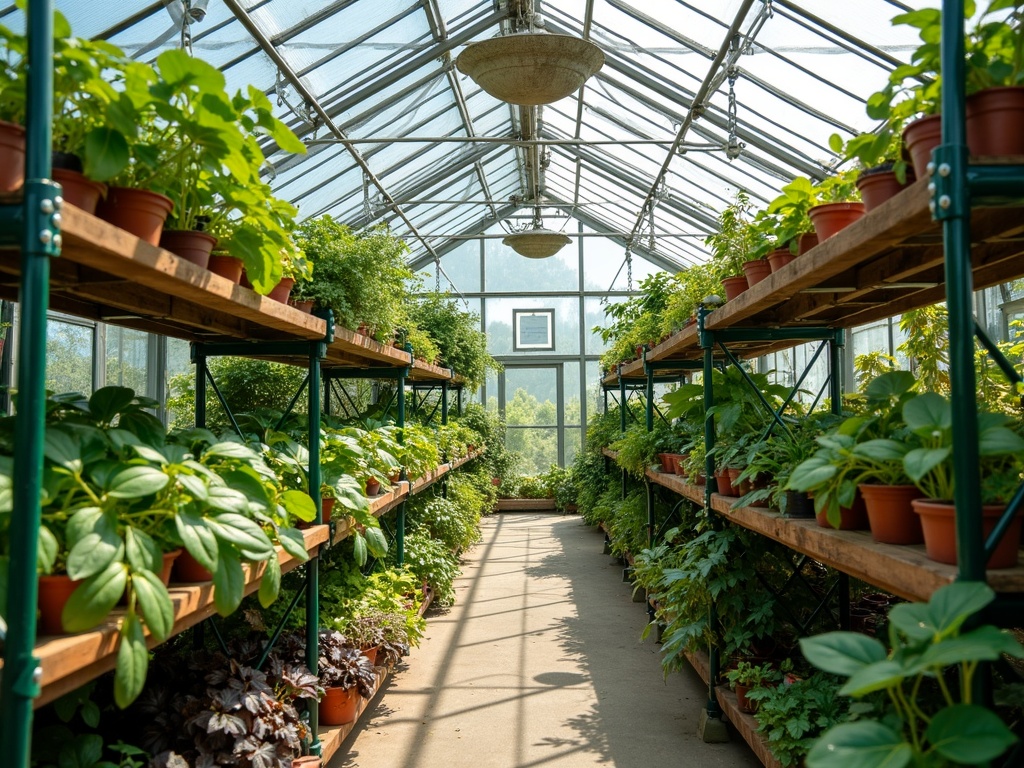
For those who enjoy hands-on projects, DIY shelving offers a cost-effective and customizable solution. Here are a few ideas to inspire your own creations:
Repurposed Pallet Shelving
Pallets can be transformed into rustic and functional shelving units. Simply sand them down, add supports, and paint or stain them to match your greenhouse decor.
Materials:
Wooden pallets
Sandpaper
Wood screws or nails
Paint or stain (optional)
Instructions:
1. Sand the pallets to remove splinters and rough edges.
2. Add support beams to the underside for extra strength.
3. Stack and secure the pallets to create shelving tiers.
4. Paint or stain as desired to protect the wood and enhance appearance.
Concrete Block and Wood Shelves
This simple design involves stacking concrete blocks and inserting wooden planks to create sturdy and adjustable shelves.
Materials:
Concrete blocks
Wooden planks
Level
Instructions:
1. Arrange the concrete blocks to form the sides of the shelves.
2. Ensure the blocks are level for stability.
3. Insert the wooden planks between the blocks to create shelving tiers.
4. Adjust the height of the shelves by changing the spacing of the blocks.
PVC Pipe Shelving
PVC pipe is lightweight, durable, and easy to work with, making it ideal for creating custom shelving units.
Materials:
PVC pipes
PVC connectors (T-joints, elbows)
PVC cutter
Measuring tape
Shelving material (e.g., wire mesh, plastic sheets)
Instructions:
1. Measure and cut the PVC pipes to the desired lengths.
2. Assemble the frame using PVC connectors.
3. Add shelving material to create the tiers.
4. Ensure the structure is stable and secure.
Greenhouse Staging Ideas for Different Plants
Different plants have different needs, and your staging should reflect this. Here are some ideas for accommodating various types of plants:
Seedling Propagation
Seedlings require consistent moisture and humidity. Use tiered staging with humidity domes or propagation trays to create the ideal environment.
Staging Tips:
Place seedlings under grow lights for optimal development.
Use heat mats to warm the soil and promote germination.
Monitor moisture levels regularly to prevent drying out or overwatering.
Herbs and Vegetables
Herbs and vegetables often benefit from full sun exposure. Arrange them on tiered staging in a sunny area of your greenhouse. Consider using raised beds or planters for larger plants.
Staging Tips:
Provide adequate spacing to prevent overcrowding.
Use well-draining soil to avoid root rot.
Rotate plants regularly to ensure even sunlight exposure.
Flowering Plants
Flowering plants need plenty of light and good air circulation. Use open shelving or tiered staging to maximize light exposure and prevent fungal diseases.
Staging Tips:
Deadhead spent flowers to encourage more blooms.
Fertilize regularly to support healthy growth and vibrant colors.
Monitor for pests and diseases and take action promptly.
Succulents and Cacti
Succulents and cacti prefer dry conditions and bright light. Use well-draining shelves and ensure good air circulation to prevent rot.
Staging Tips:
Use terracotta pots to promote drainage.
Water sparingly, allowing the soil to dry out between waterings.
Provide maximum sunlight exposure to encourage compact growth and vibrant colors.
Maximizing Vertical Space with Hanging Solutions
Hanging baskets and vertical planters are excellent for utilizing vertical space and adding visual interest to your greenhouse.
Hanging Baskets
Hanging baskets are perfect for trailing plants, herbs, and flowers. Install hooks or brackets from the greenhouse frame to hang baskets at various heights.
Tips for Hanging Baskets:
Choose lightweight pots to avoid straining the structure.
Use self-watering baskets to reduce maintenance.
Rotate baskets regularly to ensure even sunlight exposure.
Vertical Planters
Vertical planters come in various designs, including wall-mounted planters, tiered towers, and pocket planters. They are ideal for growing herbs, strawberries, and leafy greens.
Tips for Vertical Planters:
Choose a design that suits your space and aesthetic preferences.
Use a well-draining potting mix to prevent waterlogging.
Water regularly and fertilize as needed to support healthy growth.
Optimizing Light and Airflow
Proper lighting and airflow are crucial for plant health. Arrange your shelving and staging to maximize these factors.
Strategic Placement
Place plants with high light requirements in the sunniest areas of your greenhouse. Use reflective surfaces, such as white paint or aluminum foil, to bounce light onto plants in shadier spots.
Adequate Spacing
Ensure adequate spacing between plants to promote good air circulation. Overcrowding can lead to fungal diseases and nutrient deficiencies.
Ventilation
Install vents or fans to improve airflow within the greenhouse. Proper ventilation helps regulate temperature and humidity, reducing the risk of disease.
Creating an Aesthetically Pleasing Greenhouse
A well-organized and visually appealing greenhouse is a joy to work in. Here are some tips for creating an attractive space:
Color Coordination
Choose a color scheme that complements your plants and greenhouse structure. Use colorful pots, labels, and accessories to add visual interest.
Arrangement
Arrange plants in an aesthetically pleasing manner. Group plants with similar colors, textures, and shapes to create visually appealing displays.
Personal Touches
Add personal touches to make your greenhouse feel like your own. Incorporate artwork, sculptures, or other decorative elements that reflect your style.
Maintaining Your Greenhouse Shelving and Staging
Regular maintenance is essential to keep your shelving and staging in good condition.
Cleaning
Clean shelves and staging regularly to prevent the buildup of dirt, algae, and pests. Use a mild soap and water solution to wipe down surfaces.
Inspection
Inspect shelving and staging regularly for signs of damage, such as rust, rot, or cracks. Repair or replace damaged components as needed.
Adjustments
Adjust the arrangement of your shelving and staging as your plants grow and your needs change. Be flexible and adapt your setup to optimize growing conditions.
Discover Proven Techniques to Preserve Your Food Year-Round and Enjoy Less Waste with More Freshness
Troubleshooting Common Issues
Even with the best planning, you may encounter some challenges. Here are some common issues and how to address them:
Sagging Shelves
If your shelves are sagging under the weight of your plants, add additional supports or reinforce the structure. Consider using sturdier materials or reducing the weight load.
Rust or Rot
Prevent rust or rot by using weather-resistant materials and applying protective coatings. Regularly inspect and maintain wood and metal surfaces.
Pest Infestations
Address pest infestations promptly by using organic pest control methods and maintaining good hygiene practices. Regularly inspect plants for signs of pests and diseases.
Advanced Techniques for Greenhouse Shelving and Staging
For serious growers, here are some advanced techniques to consider:
Hydroponic Systems
Integrate hydroponic systems into your shelving and staging to grow plants without soil. Hydroponics can improve nutrient delivery and reduce water usage.
Automated Systems
Use automated watering and lighting systems to optimize growing conditions and reduce manual labor. Automated systems can improve efficiency and consistency.
Climate Control
Implement climate control systems to regulate temperature and humidity within your greenhouse. Precise climate control can improve plant health and productivity.
Case Studies: Successful Greenhouse Shelving and Staging
Let's look at some real-world examples of effective greenhouse shelving and staging.
Urban Microgreen Farm
An urban microgreen farm utilized vertical shelving and hydroponic systems to maximize production in a small greenhouse. The efficient setup allowed them to grow a large volume of microgreens in a limited space.
Community Garden Project
A community garden project used repurposed pallet shelving and tiered staging to create an accessible and organized greenhouse. The affordable solution provided ample space for growing vegetables and herbs for local residents.
Commercial Nursery
A commercial nursery employed rolling benches and automated watering systems to streamline operations and improve plant quality. The flexible setup allowed them to efficiently manage a large inventory of plants.
Resources for Greenhouse Shelving and Staging
Here are some resources to help you find the right materials and designs:
Online Retailers
Online retailers like Amazon, eBay, and specialized gardening stores offer a wide selection of greenhouse shelving and staging products.
Local Hardware Stores
Local hardware stores carry materials for DIY shelving and staging projects. They also offer expert advice and assistance.
Gardening Clubs
Gardening clubs and associations can provide valuable information and support for greenhouse growers. Join a local club to connect with experienced gardeners and learn new techniques.
Conclusion
Greenhouse shelving and staging are essential elements for maximizing space, improving plant health, and enhancing the efficiency of your growing operation. By choosing the right types of shelving, materials, and staging techniques, you can create a thriving and visually appealing greenhouse that meets your specific needs. Whether you're a hobbyist gardener or a commercial grower, investing in proper shelving and staging is a worthwhile investment that will pay off in healthier plants and greater productivity.