
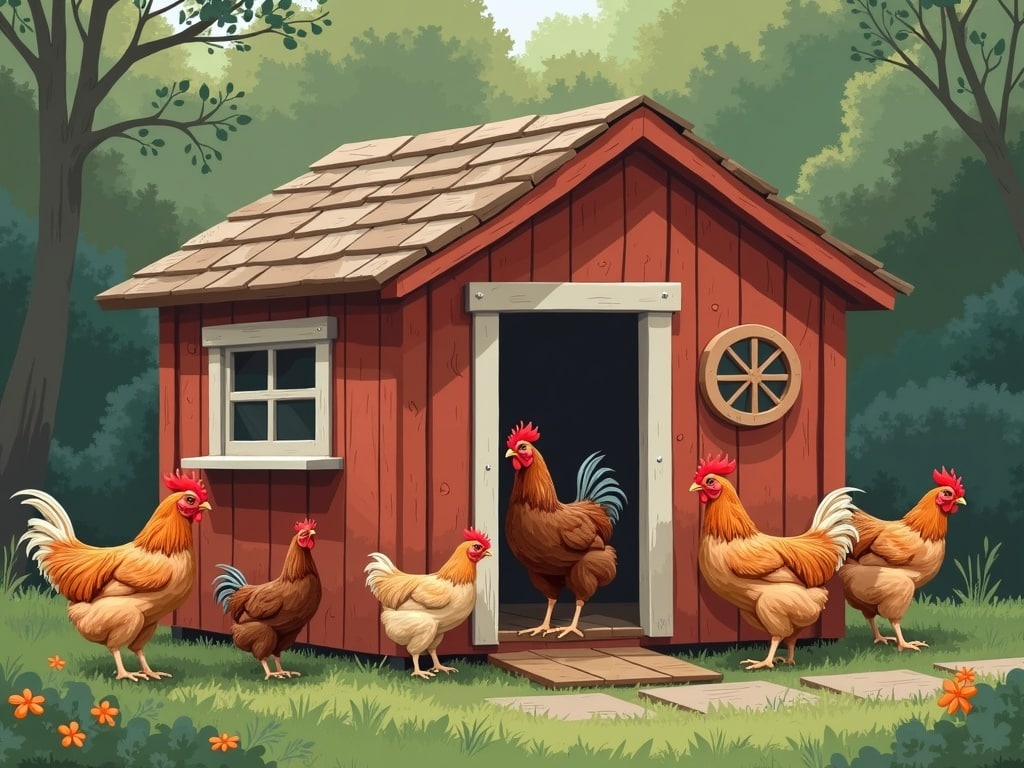
What to Put in a Chicken Coop: Creating a Happy Home for Your Flock
Imagine stepping into a space designed entirely for your comfort and well-being. That's precisely what you should aim to create for your chickens. A well-equipped coop is not just a shelter; it's a sanctuary where your flock can thrive, lay healthy eggs, and live their best chicken lives. So, what exactly *shouldyou put in a chicken coop to achieve this idyllic vision? Let's dive into the essential elements that transform a basic structure into a five-star chicken residence.
The Foundation: Essential Coop Components
A functional and comfortable chicken coop requires more than just four walls and a roof. Several key components work together to ensure the health, safety, and happiness of your flock.
Roosting Bars: The Chickens' Sleep Perch
Chickens naturally prefer to roost, or sleep, off the ground. Roosting bars mimic the branches of a tree, providing a safe and comfortable place for them to rest.
**Material:Wood is the most common and comfortable material. Avoid using metal, as it can get too cold or hot and injure their feet.
**Shape and Size:A 2×4 inch plank with the wider side facing up is ideal. The flat surface allows chickens to comfortably grip it with their feet.
**Placement:Roosting bars should be the highest point in the coop, as chickens will naturally seek the highest spot. Ensure they are spaced adequately to prevent overcrowding and allow for comfortable hopping up and down. A general rule is 8-12 inches of roosting space per bird.
**Number of Roosts:Provide enough roosting space for all your chickens. It’s better to overestimate than underestimate.
Nesting Boxes: Egg-Laying Paradise
Nesting boxes provide a private and secure space for hens to lay their eggs. A well-designed nesting box encourages hens to lay their eggs in the designated area, making collection easier and reducing the risk of broken or dirty eggs.
**Size:A nesting box approximately 12x12x12 inches is sufficient for most standard-sized breeds. Larger breeds may require slightly larger boxes.
**Material:Wood is the most common and practical material.
**Number of Boxes:A good rule of thumb is one nesting box for every four to five hens.
**Placement:Nesting boxes should be placed in a quiet, dark, and easily accessible area of the coop. Position them lower than the roosting bars to discourage chickens from sleeping in them.
**Bedding:Line the nesting boxes with soft and comfortable bedding such as straw, wood shavings, or shredded paper. This provides cushioning for the eggs and encourages hens to use the boxes.
Flooring and Bedding: Comfort Underfoot
The flooring and bedding you choose play a crucial role in maintaining a clean, dry, and odor-free coop. The right bedding material absorbs moisture, reduces ammonia buildup, and provides insulation.
**Flooring Options:**
**Dirt Floor:The most natural and cost-effective option, but requires diligent cleaning and management to prevent disease and odor. It's also more vulnerable to predators digging into the coop.
**Wood Floor:Easier to clean than a dirt floor and provides better protection from predators, but requires regular maintenance to prevent rot and moisture buildup. Ensure the wood is treated with a chicken-safe sealant.
**Concrete Floor:Durable and easy to clean, but can be cold and uncomfortable for chickens. Requires a thick layer of bedding to provide insulation.
**Bedding Materials:**
**Straw:A popular and affordable option that provides good insulation and absorbs moisture. However, it can become moldy if not properly managed.
**Wood Shavings:Highly absorbent and relatively inexpensive. Choose larger shavings to prevent chickens from ingesting them. Avoid cedar shavings, as they can be harmful to chickens.
**Hemp Bedding:A relatively new option that is highly absorbent, dust-free, and compostable. It's more expensive than straw or wood shavings but offers several advantages.
**Sand:Easy to clean and provides good drainage, but doesn't offer much insulation.
Food and Water Containers: Sustaining Your Flock
Providing fresh food and water is essential for the health and productivity of your chickens. The type of feeders and waterers you choose can impact how clean the food and water stay, and how much waste occurs.
**Feeders:**
**Hanging Feeders:Reduce spillage and prevent rodents from accessing the food.
**Trough Feeders:Suitable for larger flocks but can be easily contaminated with droppings and bedding.
**Automatic Feeders:Dispense food on a timer, ensuring chickens always have access to feed.
**Waterers:**
**Nipple Waterers:Provide a clean and efficient way for chickens to drink water. They minimize spillage and prevent contamination.
**Water Fountains:Traditional waterers that are easy to fill but can be easily dirtied.
**Heated Waterers:Essential in cold climates to prevent water from freezing.
Discover Proven Techniques to Preserve Your Food Year-Round and Enjoy Less Waste with More Freshness
Maintaining a Healthy Environment: Sanitation and Ventilation
Keeping your chicken coop clean and well-ventilated is crucial for preventing disease and maintaining a healthy environment for your flock.
Ventilation: Fresh Air is Essential
Proper ventilation helps remove moisture, ammonia, and other harmful gases from the coop, preventing respiratory problems and other health issues.
**Placement:Vents should be located near the roof of the coop to allow warm, moist air to escape.
**Type:Options include windows, vents with adjustable covers, and ridge vents.
**Draft Prevention:Ensure vents are positioned to avoid creating drafts directly on the chickens, especially during colder months.
Cleaning: A Regular Routine
Regular cleaning is essential for preventing the buildup of harmful bacteria and parasites.
**Daily Cleaning:Remove droppings from the roosting bars and nesting boxes daily.
**Weekly Cleaning:Replace soiled bedding and scrub feeders and waterers.
**Deep Cleaning:Thoroughly clean and disinfect the entire coop several times a year. Remove all bedding, scrub the walls and floor with a disinfectant solution, and allow the coop to dry completely before adding fresh bedding.
Enhancing Coop Security: Protection from Predators
Protecting your chickens from predators is a top priority. A secure coop can deter a wide range of potential threats, from foxes and raccoons to hawks and snakes.
Secure Perimeter: Fencing and Netting
A sturdy fence around the coop and run can deter ground predators.
**Buried Fencing:Bury the bottom of the fence at least 12 inches deep to prevent animals from digging underneath.
**Overhanging Fencing:Extend the top of the fence outward to prevent climbing predators from gaining access.
**Netting:Cover the top of the run with netting to protect chickens from aerial predators like hawks and owls.
Coop Construction: Solid and Reliable
The coop itself should be constructed of sturdy materials that predators cannot easily penetrate.
**Solid Walls and Roof:Use solid wood or metal sheeting for the walls and roof of the coop.
**Secure Doors and Windows:Ensure all doors and windows have secure latches or locks that predators cannot open.
**Hardware Cloth:Use hardware cloth (a strong, woven wire mesh) instead of chicken wire to cover any openings in the coop, as chicken wire is easily torn by predators.
Motion-Activated Lights and Alarms: Deterrents
Motion-activated lights and alarms can startle predators and deter them from approaching the coop.
**Placement:Position lights and alarms strategically around the coop and run to maximize their effectiveness.
**Sensitivity:Adjust the sensitivity of the motion sensors to prevent false alarms.
Additional Considerations: Comfort and Entertainment
Beyond the essential components, there are several additions you can make to enhance your chickens' comfort and provide enrichment.
Dust Bath Area: Natural Hygiene
Chickens instinctively take dust baths to remove parasites and excess oil from their feathers. Providing a designated dust bath area encourages this natural behavior and helps keep your flock healthy.
**Location:Choose a dry, sunny spot in the run.
**Materials:Fill the area with a mixture of sand, dirt, wood ash, and diatomaceous earth.
Grit: Aids Digestion
Chickens need grit (small pebbles or sand) to help them grind their food in their gizzards.
**Source:Provide a separate container of grit in the coop or run.
**Type:Offer different sizes of grit depending on the age of your chickens.
Oyster Shells: Calcium Supplement
Laying hens require extra calcium to produce strong eggshells.
**Source:Provide a separate container of oyster shells in the coop or run.
**Availability:Ensure oyster shells are available to your hens at all times, especially during peak laying season.
Chicken Toys: Preventing Boredom
Chickens can become bored if they don't have access to enrichment activities. Providing toys and other forms of entertainment can help prevent boredom and destructive behaviors.
**Chicken Swings:Provide a fun and engaging activity for chickens.
**Treat Balls:Dispense treats as chickens peck and roll the ball around.
**Cabbage Piñatas:Hang a head of cabbage from the roof of the coop or run and let your chickens peck at it.
**Mirrors:Chickens are curious creatures and may enjoy looking at their reflections in a mirror.
Herbs: Health and Nesting
Adding certain herbs to the nesting boxes and coop can provide health benefits and deter pests.
**Lavender:Repels insects and has a calming effect.
**Mint:Deters rodents and insects.
**Rosemary:Repels insects and has antioxidant properties.
**Chamomile:Has a calming effect and can help reduce stress.
Adapting to Different Climates: Seasonal Adjustments
The needs of your chickens will vary depending on the climate you live in. Making seasonal adjustments to the coop can help ensure their comfort and well-being year-round.
Summer: Keeping Cool
**Shade:Provide plenty of shade in the run to protect chickens from the sun.
**Ventilation:Maximize ventilation in the coop to keep it cool and prevent overheating.
**Cool Water:Provide fresh, cool water at all times. Consider adding ice to the water on hot days.
**Dust Baths:Ensure chickens have access to a dust bath area to help them regulate their body temperature.
Winter: Staying Warm
**Insulation:Insulate the coop to help retain heat.
**Ventilation:Maintain adequate ventilation to prevent moisture buildup, even in cold weather.
**Heated Water:Provide a heated waterer to prevent water from freezing.
**Deep Litter Method:Use the deep litter method to generate heat in the coop. This involves allowing a thick layer of bedding to accumulate in the coop over time, which will compost and generate heat.
Choosing the Right Coop Size: Space Matters
The size of your chicken coop is an important consideration. Overcrowding can lead to stress, disease, and behavioral problems.
**General Rule:Provide at least 4 square feet of coop space per chicken and 8-10 square feet of run space per chicken.
**Breed Considerations:Larger breeds require more space than smaller breeds.
**Free-Range Access:If your chickens have access to a large free-range area, you can slightly reduce the amount of run space required.
DIY vs. Pre-Built Coops: Weighing the Options
You have the option of building your own chicken coop or purchasing a pre-built coop. Both options have their pros and cons.
**DIY Coop:**
**Pros:More cost-effective, allows for customization, and can be tailored to your specific needs.
**Cons:Requires time, skill, and resources.
**Pre-Built Coop:**
**Pros:Convenient, saves time and effort, and often comes with a warranty.
**Cons:Can be more expensive, may not be as customizable, and may not be as durable as a well-built DIY coop.
Choosing the right coop and equipping it with the necessary elements is an investment in the health, happiness, and productivity of your flock. By providing a safe, comfortable, and stimulating environment, you'll be rewarded with fresh eggs and the joy of watching your chickens thrive. Consider these factors carefully as you plan and build your chicken coop, and you will create a space the whole flock can enjoy.