
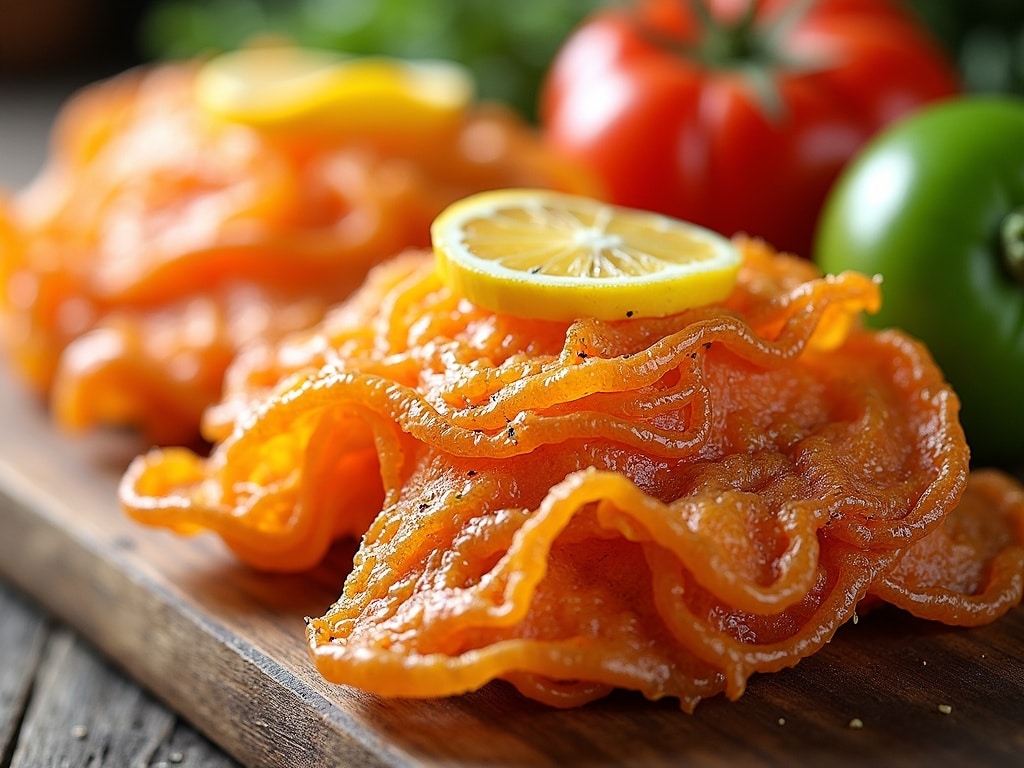
Dehydrating Food for Beginners: A Comprehensive Guide
Imagine biting into a sun-dried tomato bursting with concentrated flavor, or enjoying a crispy apple chip on a winter hike. Dehydrating food is an ancient preservation technique that allows you to create delicious and healthy snacks, reduce food waste, and enjoy seasonal produce year-round. But where do you start? This guide will walk you through everything you need to know about dehydrating food, from equipment and preparation to storage and creative uses.
Why Dehydrate Food? Unveiling the Benefits
Before diving into the how-to, let's explore the compelling reasons to embrace food dehydration:
- Extended Shelf Life: Dehydrating removes moisture, inhibiting the growth of bacteria, mold, and yeast, significantly increasing shelf life.
- Nutrient Preservation: While some nutrients are lost during the process (primarily Vitamin C), dehydration generally preserves a higher percentage of vitamins and minerals compared to other preservation methods.
- Concentrated Flavors: Removing water intensifies the natural sugars and flavors in fruits and vegetables, creating intensely delicious snacks and ingredients.
- Reduced Food Waste: Dehydrate excess produce before it spoils, turning it into shelf-stable snacks or ingredients for later use.
- Lightweight and Portable: Dehydrated food is incredibly lightweight, making it ideal for backpacking, camping, and other outdoor activities.
- Healthy Snacking: Create your own healthy snacks free from artificial preservatives, added sugars, and unhealthy fats.
- Cost-Effective: Buying produce in bulk when it's in season and dehydrating it can save money in the long run.
- Creative Culinary Applications: Dehydrated foods can be rehydrated and used in a variety of dishes, adding unique flavors and textures.
Essential Equipment for Food Dehydration
You don't need a lot of fancy equipment to get started with dehydrating. Here's a rundown of the essentials and some optional tools that can make the process easier:
The Dehydrator: Your Moisture-Removing Powerhouse
The most important piece of equipment is, of course, a food dehydrator. There are two main types:
- Stackable Dehydrators (Round or Square): These are typically more affordable and consist of stackable trays with a heating element and fan at the bottom. They are a good option for beginners, but the temperature distribution may not be as even as with other types. You may need to rotate the trays during the drying process to ensure even dehydration.
- Shelf-Style Dehydrators (Box Dehydrators): These have a box-like design with shelves that slide in and out. They offer more even temperature distribution and often have more advanced features like digital controls and timers. While more expensive, they’re a worthwhile investment for serious dehydrators.
What to look for in a dehydrator:
- Adjustable Temperature Control: Crucial for dehydrating different types of food at the correct temperatures.
- Timer: Allows you to set the dehydrator to run for a specific amount of time and automatically shut off, preventing over-drying.
- Adequate Capacity: Consider the amount of food you plan to dehydrate regularly and choose a dehydrator with enough trays to accommodate it.
- Easy to Clean: Removable trays and a wipeable interior make cleaning much easier.
- Airflow: Look for models with good airflow to ensure even dehydration.
Alternatives to a Dehydrator
While a dedicated dehydrator is the most efficient way to dehydrate food, there are alternatives you can use, although they may not be as consistent or convenient:
- Oven: You can use your oven to dehydrate food by setting it to the lowest possible temperature (ideally below 200°F or 93°C) and leaving the door slightly ajar to allow moisture to escape. This method can be less precise and may require careful monitoring to prevent burning.
- Sun Drying: A traditional method that relies on the sun's heat to evaporate moisture. It requires hot, dry weather and can be time-consuming and susceptible to contamination.
Other Helpful Tools
- Sharp Knife or Mandoline: For slicing food into even pieces, which is essential for uniform dehydration. A mandoline can be especially helpful for slicing large quantities of fruits and vegetables.
- Cutting Board: A sturdy cutting board is a must for preparing your food.
- Food Scale: Useful for weighing ingredients, especially when following recipes for jerky or fruit leather.
- Mixing Bowls: For preparing marinades, brines, or pre-treatment solutions.
- Blender or Food Processor: For making fruit purees for fruit leather.
- Parchment Paper or Dehydrator Sheets: To prevent food from sticking to the trays, especially when making fruit leather or dehydrating small items.
- Storage Containers: Airtight containers are essential for storing dehydrated food properly.
- Vacuum Sealer (Optional): For even longer-term storage, a vacuum sealer can remove air from storage bags, further extending shelf life.
Preparing Food for Dehydration: A Step-by-Step Guide
Proper preparation is key to successful food dehydration. Follow these steps to ensure optimal results:
1. Selecting the Right Produce
Choose fresh, ripe, and unblemished produce. Avoid fruits or vegetables that are bruised, overripe, or show signs of spoilage. The quality of your starting ingredients will directly impact the quality of your dehydrated product.
2. Cleaning and Trimming
Thoroughly wash all produce to remove dirt, debris, and any pesticide residue. Trim away any damaged or unwanted parts, such as stems, cores, seeds, and bruises.
3. Slicing and Dicing
Slice or dice food into uniform pieces to ensure even dehydration. Aim for consistent thickness, typically between 1/8 and 1/4 inch (3-6 mm). Thicker pieces will take longer to dry and may not dehydrate completely, while thinner pieces may become brittle.
Tips for slicing:
- Use a sharp knife or mandoline for even slices.
- Consider the texture you want in the final product. Thicker slices will be chewier, while thinner slices will be crispier.
- For fruits like apples and pears, remove the core before slicing.
- For vegetables like carrots and zucchini, slice them into rounds or sticks.
4. Pre-Treating (Optional but Recommended)
Pre-treating some fruits and vegetables can help prevent discoloration, preserve nutrients, and improve the overall quality of the dehydrated product.
- Acid Dip (for fruits): Soaking fruits like apples, bananas, and peaches in an acid solution (lemon juice, citric acid, or ascorbic acid) can help prevent browning. Mix 1 tablespoon of lemon juice or citric acid per 4 cups of water. Soak the fruit slices for 10-15 minutes, then drain and pat dry.
- Blanching (for vegetables): Blanching vegetables by briefly immersing them in boiling water or steaming them helps to stop enzyme activity, which can cause discoloration and loss of nutrients. Blanch vegetables until they are crisp-tender, then immediately plunge them into ice water to stop the cooking process. Drain well before dehydrating.
- Syrup Blanching (for fruits): This method involves simmering fruit in a sugar syrup before dehydrating. It helps to plump the fruit and retain its color. The syrup also adds sweetness, which can be desirable for some fruits.
5. Arranging on Dehydrator Trays
Arrange the prepared food on the dehydrator trays in a single layer, ensuring that the pieces are not touching. This allows for proper airflow and even dehydration. If you're dehydrating small items like herbs or berries, use dehydrator sheets or parchment paper to prevent them from falling through the trays.
Dehydrating Fruits: Sweet and Satisfying Snacks
Dehydrating fruits is a great way to preserve seasonal sweetness and create healthy snacks. Here's a guide to dehydrating some popular fruits:
Apples
Apples are a classic choice for dehydration. Choose firm, crisp apples like Granny Smith, Fuji, or Honeycrisp. Core and slice them into 1/8-inch thick rings or slices. Pre-treat with an acid dip to prevent browning. Dehydrate at 135°F (57°C) for 6-12 hours, or until leathery and slightly pliable.
Discover Proven Techniques to Preserve Your Food Year-Round and Enjoy Less Waste with More Freshness
Bananas
Bananas become intensely sweet and chewy when dehydrated. Slice them into 1/4-inch thick rounds. Pre-treat with an acid dip to prevent browning. Dehydrate at 135°F (57°C) for 8-12 hours, or until leathery and slightly pliable.
Berries
Berries like strawberries, blueberries, and raspberries can be dehydrated whole or sliced. Wash and hull strawberries before slicing. Smaller berries like blueberries and raspberries can be dehydrated whole. Dehydrate at 135°F (57°C) for 12-24 hours, or until leathery and slightly shriveled.
Citrus Fruits
Citrus fruits like oranges, lemons, and limes can be dehydrated to create flavorful garnishes and ingredients. Slice them into thin rounds (1/8 inch). Dehydrate at 135°F (57°C) for 6-12 hours, or until brittle.
Mangoes
Mangoes are a delicious tropical fruit to dehydrate. Peel and slice the mango into 1/4-inch thick slices. Dehydrate at 135°F (57°C) for 8-12 hours, or until leathery and slightly pliable.
Peaches
Peaches are best dehydrated when they are ripe but still firm. Peel, pit, and slice the peaches into 1/4-inch thick slices. Pre-treat with an acid dip to prevent browning. Dehydrate at 135°F (57°C) for 8-12 hours, or until leathery and slightly pliable.
Dehydrating Vegetables: Savory Snacks and Ingredients
Dehydrating vegetables is a great way to preserve your garden harvest or create healthy snacks. Here's a guide to dehydrating some popular vegetables:
Carrots
Carrots are a versatile vegetable that can be dehydrated in various forms. Peel and slice the carrots into 1/8-inch thick rounds or sticks. Blanch the carrots for 2-3 minutes to help preserve their color. Dehydrate at 125°F (52°C) for 8-12 hours, or until brittle.
Mushrooms
Dehydrated mushrooms have an intense umami flavor and can be used in soups, stews, and sauces. Clean the mushrooms and slice them into 1/4-inch thick slices. Dehydrate at 125°F (52°C) for 6-10 hours, or until brittle.
Onions
Dehydrated onions are a convenient way to add flavor to your dishes. Peel and slice the onions into 1/8-inch thick slices. Dehydrate at 125°F (52°C) for 6-10 hours, or until brittle. Be warned, dehydrating onions can produce a strong odor!
Peppers
Bell peppers, chili peppers, and other types of peppers can be dehydrated to add flavor and spice to your meals. Wash and slice the peppers into desired shapes. Remove the seeds and membranes from bell peppers. Dehydrate at 125°F (52°C) for 6-10 hours, or until brittle.
Tomatoes
Dehydrated tomatoes are intensely flavorful and can be used in sauces, soups, and salads. Roma tomatoes are a good choice for dehydrating. Cut the tomatoes in half or slice them into 1/4-inch thick slices. Dehydrate at 135°F (57°C) for 8-12 hours, or until leathery and slightly pliable.
Zucchini
Zucchini is a mild-flavored vegetable that dehydrates well. Slice the zucchini into 1/8-inch thick rounds. Dehydrate at 125°F (52°C) for 6-10 hours, or until brittle.
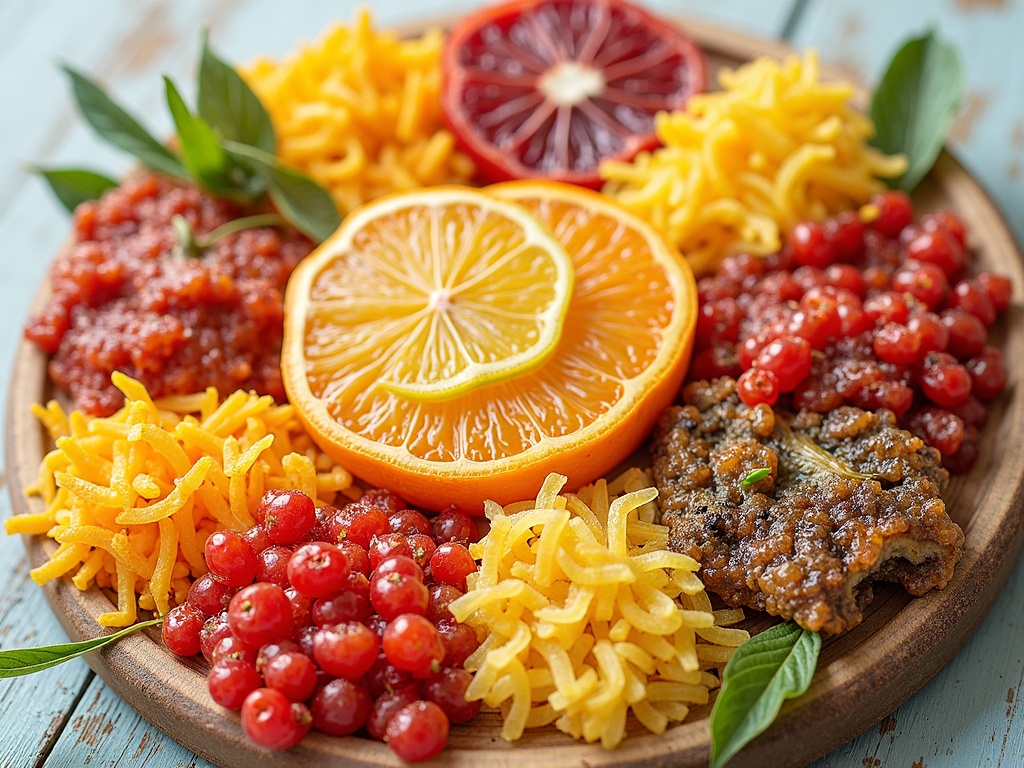
Dehydrating Meat: Making Jerky at Home
Dehydrating meat is a great way to make jerky, a protein-packed snack that's perfect for hiking, camping, or everyday snacking.
Choosing the Right Meat
Lean cuts of meat are best for making jerky, as they have less fat, which can spoil during storage. Some good choices include:
- Beef: Flank steak, top round, bottom round, and sirloin tip
- Pork: Pork loin, tenderloin
- Turkey: Turkey breast
- Venison: Any lean cut
Preparing the Meat
- Trim Fat: Remove as much visible fat as possible from the meat. Fat can become rancid during dehydration, shortening the shelf life of the jerky.
- Slice the Meat: Slice the meat into thin, even strips, about 1/8 to 1/4 inch thick. You can slice the meat with the grain for a chewier jerky or against the grain for a more tender jerky. Partially freezing the meat for about 30 minutes can make it easier to slice thinly.
Marinating the Meat
Marinating the meat adds flavor and helps to tenderize it. There are countless jerky marinade recipes available online. A basic marinade typically includes:
- Soy Sauce: Adds a savory, umami flavor.
- Worcestershire Sauce: Adds depth of flavor.
- Brown Sugar: Adds sweetness and helps with browning.
- Spices: Garlic powder, onion powder, black pepper, red pepper flakes, etc.
Marinate the meat in the refrigerator for at least 4 hours, or preferably overnight, to allow the flavors to penetrate.
Dehydrating the Meat
Remove the meat strips from the marinade and pat them dry with paper towels. Arrange the strips on the dehydrator trays, making sure they are not touching. Dehydrate at 160°F (71°C) for 4-8 hours, or until the jerky is dry and leathery but still slightly pliable. The drying time will depend on the thickness of the meat and the humidity in your environment.
Safety Note: Ensure the internal temperature of the jerky reaches 160°F (71°C) to kill any bacteria. Use a food thermometer to check the temperature.
Dehydrating Herbs: Capturing Fresh Flavors
Dehydrating herbs is a simple way to preserve their fresh flavors and have them on hand for cooking year-round.
Choosing and Preparing Herbs
Harvest herbs in the morning, after the dew has dried but before the sun gets too hot. Select fresh, healthy leaves and stems. Rinse the herbs gently to remove any dirt or debris.
Dehydrating Herbs
There are several ways to dehydrate herbs:
- Dehydrator: Spread the herbs in a single layer on the dehydrator trays. Dehydrate at 95-115°F (35-46°C) for 2-4 hours, or until the leaves are brittle and crumble easily.
- Oven: Spread the herbs on a baking sheet lined with parchment paper. Set the oven to the lowest possible temperature (ideally below 200°F or 93°C) and leave the door slightly ajar to allow moisture to escape. Check the herbs frequently to prevent burning.
- Air Drying: Tie the herbs into small bundles and hang them upside down in a cool, dry, and well-ventilated place. This method can take several days or weeks, depending on the humidity.
Storing Herbs
Once the herbs are completely dry, store them in airtight containers in a cool, dark, and dry place. You can store the leaves whole or crumble them before storing. Dried herbs will retain their flavor for up to a year.
Dehydrating Fruit Leather: A Fun and Healthy Treat
Fruit leather, also known as fruit roll-ups, is a fun and healthy treat that's perfect for kids and adults alike.
Making the Fruit Puree
Choose ripe fruits for making fruit leather. You can use a single type of fruit or combine different fruits for a unique flavor. Wash, peel, and pit the fruit, then blend it into a smooth puree using a blender or food processor. You can add a little lemon juice to prevent browning. You can also add spices like cinnamon or nutmeg for extra flavor.
Dehydrating the Fruit Puree
Line the dehydrator trays with parchment paper or dehydrator sheets. Pour the fruit puree onto the trays, spreading it evenly to a thickness of about 1/8 inch. Dehydrate at 135°F (57°C) for 4-8 hours, or until the fruit leather is dry and leathery but still pliable. The drying time will depend on the thickness of the puree and the humidity in your environment.
Storing Fruit Leather
Once the fruit leather is cool, peel it off the parchment paper or dehydrator sheets. Roll it up tightly and cut it into individual servings. Store the fruit leather in airtight containers in a cool, dry place. It will keep for several weeks.
Tips for Success: Mastering the Art of Dehydration
Here are some additional tips to help you achieve dehydration success:
- Start Small: Begin with small batches to get a feel for the dehydration process and adjust your techniques as needed.
- Monitor Progress: Check the food regularly during dehydration to ensure it's drying evenly.
- Rotate Trays: If you're using a stackable dehydrator, rotate the trays periodically to ensure even drying.
- Test for Dryness: The best way to determine if food is fully dehydrated is to test it. Remove a piece from the dehydrator and let it cool to room temperature. If it's still sticky or pliable, it needs to be dehydrated longer.
- Proper Storage: Store dehydrated food in airtight containers in a cool, dark, and dry place to prevent moisture absorption and spoilage.
- Label and Date: Label your storage containers with the contents and the date of dehydration so you can keep track of how long the food has been stored.
Storing Dehydrated Food: Ensuring Longevity
Proper storage is crucial for maintaining the quality and extending the shelf life of your dehydrated food. Here's how to store your dehydrated goods:
- Cool Completely: Allow dehydrated food to cool completely before storing it. Warm food can create condensation inside the storage container, leading to mold growth.
- Airtight Containers: Use airtight containers to prevent moisture from re-entering the food. Glass jars, plastic containers with tight-fitting lids, and vacuum-sealed bags are all good options.
- Cool, Dark, and Dry Place: Store dehydrated food in a cool, dark, and dry place. Heat and light can degrade the quality of the food, while moisture can lead to spoilage. Pantries, cupboards, and basements are good storage locations.
- Vacuum Sealing (Optional): For even longer-term storage, consider vacuum sealing your dehydrated food. Vacuum sealing removes air from the storage bag, further inhibiting the growth of bacteria and mold.
Shelf Life of Dehydrated Food
The shelf life of dehydrated food depends on several factors, including the type of food, the quality of the dehydration, and the storage conditions. In general, dehydrated fruits and vegetables can last for up to a year or longer when stored properly. Dehydrated meat (jerky) typically has a shorter shelf life of a few months. Always inspect dehydrated food for signs of spoilage before consuming it. Discard any food that shows signs of mold, discoloration, or off odors.
Rehydrating Dehydrated Food: Bringing It Back to Life
While some dehydrated foods, like fruit chips and jerky, are enjoyed as is, others need to be rehydrated before use. Here's how to rehydrate dehydrated food:
- Soaking: The most common method of rehydration is soaking the food in water. Place the dehydrated food in a bowl or container and cover it with water. The amount of water needed will depend on the type of food and the desired consistency. Allow the food to soak for several hours, or overnight, until it is plump and rehydrated.
- Simmering: You can also rehydrate dehydrated food by simmering it in water or broth. This method is often used for vegetables that will be added to soups or stews. Place the dehydrated food in a pot and cover it with water or broth. Bring the mixture to a simmer and cook until the food is rehydrated and tender.
- Steaming: Steaming is a gentle way to rehydrate dehydrated vegetables. Place the dehydrated vegetables in a steamer basket and steam until they are rehydrated and tender.
Creative Uses for Dehydrated Food: Beyond Snacking
Dehydrated food is not just for snacking. Here are some creative ways to use dehydrated ingredients in your cooking:
- Soups and Stews: Add dehydrated vegetables, mushrooms, and herbs to soups and stews for extra flavor and nutrients.
- Sauces: Use dehydrated tomatoes, peppers, and onions to make flavorful sauces.
- Trail Mix: Create your own custom trail mix with dehydrated fruits, nuts, seeds, and jerky.
- Oatmeal and Yogurt: Add dehydrated fruits to oatmeal and yogurt for a healthy and delicious breakfast.
- Baking: Use dehydrated fruits in muffins, breads, and cookies.
- Seasoning Blends: Grind dehydrated vegetables and herbs into powders to create your own custom seasoning blends.
- Camping and Backpacking Meals: Dehydrated food is perfect for camping and backpacking because it's lightweight and easy to rehydrate.
Troubleshooting Common Dehydration Problems
Despite your best efforts, you might encounter some challenges along the way. Here are some common problems and how to solve them:
- Food is not drying evenly: This can be caused by uneven slicing, overcrowding the trays, or poor airflow in the dehydrator. Make sure to slice food into uniform pieces, arrange it in a single layer on the trays, and rotate the trays periodically.
- Food is becoming discolored: This can be prevented by pre-treating fruits with an acid dip and blanching vegetables before dehydrating.
- Food is too hard or brittle: This is usually caused by over-drying. Reduce the dehydration time or lower the temperature.
- Food is sticky or moldy: This is caused by under-drying or improper storage. Make sure the food is completely dry before storing it and store it in airtight containers in a cool, dark, and dry place.
Dehydrating Food: A Rewarding Journey
Dehydrating food is a rewarding way to preserve seasonal produce, create healthy snacks, and reduce food waste. With a little practice and experimentation, you'll be able to master the art of dehydration and enjoy the delicious and nutritious benefits for years to come. So grab your dehydrator, gather your favorite fruits and vegetables, and embark on a flavorful adventure!