
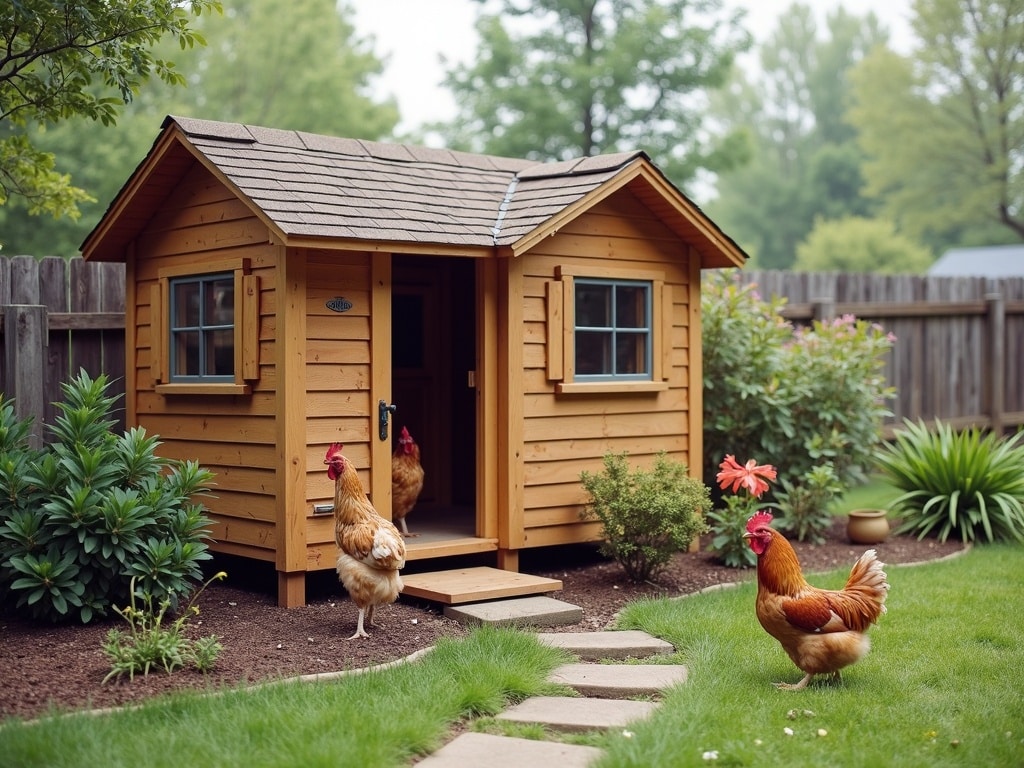
Chicken Coop Ideas for Small Yards: Clucktastic Solutions for Urban and Suburban Chicken Keepers
So, you're dreaming of fresh eggs every morning, the gentle clucking of happy hens in your backyard, and the satisfaction of raising your own food. But there's a catch: your yard is, shall we say, cozy. Fear not, fellow chicken enthusiast! Limited space doesn't have to clip your wings. With a little creativity and some clever planning, you can absolutely create a harmonious and productive chicken haven, even in the smallest of yards. This comprehensive guide is packed with chicken coop ideas for small yards and expert advice to help you design the perfect setup for your feathered friends.
Why Keep Chickens in a Small Yard?
Before diving into coop designs, let's explore the compelling reasons to keep chickens in a smaller space. Beyond fresh eggs, there are many benefits, even in urban or suburban environments:
- Fresh, Nutritious Eggs: The taste and quality of homegrown eggs are unparalleled. You'll know exactly what your chickens are eating, and the eggs will be fresher than anything you can buy in a store.
- Pest Control: Chickens are voracious insect eaters, helping to keep your garden free from unwanted pests like slugs, snails, and ticks.
- Natural Fertilizer: Chicken manure is a rich source of nitrogen, phosphorus, and potassium, making it an excellent addition to your compost pile or directly to your garden (when properly composted, of course!).
- Composting Assistance: Chickens love to scratch and peck, actively turning and aerating your compost pile, speeding up the decomposition process.
- Educational Opportunity: Raising chickens can be a fantastic learning experience for children, teaching them about animal care, responsibility, and where their food comes from.
- Therapeutic Benefits: Many people find tending to chickens to be relaxing and therapeutic. Their gentle clucking and curious personalities can be quite calming.
- Reduced Food Waste: Chickens are great at consuming kitchen scraps, helping you reduce your household waste. (Just be sure to avoid feeding them anything that's harmful to chickens).
Essential Considerations Before You Build or Buy
Before you start sketching coop designs or browsing online retailers, take a moment to consider these critical factors:
- Local Ordinances and Regulations: This is the most important step! Check your city, county, and homeowner's association (HOA) rules regarding backyard chickens. Many areas have restrictions on the number of chickens allowed, coop size and placement, and even breed restrictions. Ignorance is not bliss; violating these regulations can lead to fines and the heartbreak of having to rehome your flock.
- Predator Protection: Even in urban areas, chickens are vulnerable to predators like raccoons, foxes, opossums, hawks, and even domestic dogs and cats. Your coop must be predator-proof, with sturdy construction, hardware cloth (not chicken wire!), and secure latches.
- Space Requirements: While you're working with a small yard, chickens still need adequate space to roam, scratch, and dust bathe. A general guideline is at least 4 square feet of coop space per chicken and 8-10 square feet of run space per chicken. For larger breeds, increase this.
- Breed Selection: Some chicken breeds are better suited for small spaces than others. Consider docile, smaller breeds like Cochins, Silkies, or Bantam varieties. These breeds tend to be quieter and less prone to roaming.
- Your Budget: Chicken coops can range in price from a few hundred dollars for a DIY project to several thousand for a professionally built structure. Set a realistic budget and stick to it. Don't forget to factor in the cost of building materials, hardware, bedding, feed, and other supplies.
- Accessibility: You'll need easy access to the coop for cleaning, feeding, and egg collection. Consider the placement of doors and gates to make these tasks as convenient as possible.
- Sunlight and Drainage: Choose a location for your coop that provides some sunlight (especially in winter) but also offers shade during the hottest part of the day. Good drainage is essential to prevent muddy conditions and the spread of disease.
- Neighbors: Be considerate of your neighbors. A well-maintained coop, a quiet breed of chickens, and a bit of neighborly communication can go a long way in preventing conflicts.
Maximizing Space: Clever Coop Designs for Small Yards
Now for the fun part: designing or selecting your chicken coop! Here are several chicken coop ideas for small yards, with a focus on maximizing space and functionality:
1. The A-Frame Coop
Description: The A-frame coop is a classic design that's relatively easy to build. Its triangular shape provides a sheltered coop area at the bottom and a sloped run on either side.
Pros:
Simple and inexpensive to build.
Good use of space.
Relatively lightweight and easy to move.
Cons:
Limited headroom inside the coop.
Can be difficult to clean.
May not be suitable for larger breeds.
2. The Chicken Tractor
Description: A chicken tractor is a portable coop and run that can be moved around your yard. This allows your chickens to graze on fresh grass and bugs while fertilizing different areas of your garden.
Pros:
Allows chickens to access fresh pasture.
Distributes manure evenly.
Reduces the buildup of pathogens in one area.
Excellent way to control localized pests.
Cons:
Requires daily or regular movement.
Can be heavy and difficult to move, depending on size and construction.
May not be suitable for areas with heavy predator pressure.
3. The Raised Coop
Description: A raised coop elevates the coop off the ground, creating additional space underneath for a run or storage.
Pros:
Maximizes space by utilizing the area under the coop.
Provides shade and shelter for chickens in the run.
Can make cleaning easier.
Helps protect against rodents.
Cons:
Requires more construction skills.
Can be more expensive to build.
Chickens need a ramp to access the coop.
4. The Vertical Coop
Description: A vertical coop, uses height to maximize space. Think of it as a chicken condo.
Discover Proven Techniques to Preserve Your Food Year-Round and Enjoy Less Waste with More Freshness
Pros:
Ideal for extremely small yards.
Can house a surprising number of chickens in a small footprint.
Visually interesting.
Cons:
Requires careful design to ensure accessibility and ventilation.
Can be more challenging to clean.
May not be suitable for all chicken breeds; consider breeds that are comfortable with climbing.
5. The Pallet Coop
Description: A pallet coop is constructed primarily from reclaimed wooden pallets.
Pros:
Inexpensive and eco-friendly (uses recycled materials).
Relatively easy to build with basic carpentry skills.
Can be customized to fit your specific needs.
Cons:
Pallet wood can be rough and splintery.
May require more time and effort to find suitable pallets.
Ensure pallets are heat treated (HT) and not chemically treated (CT) before using.
6. The Repurposed Coop
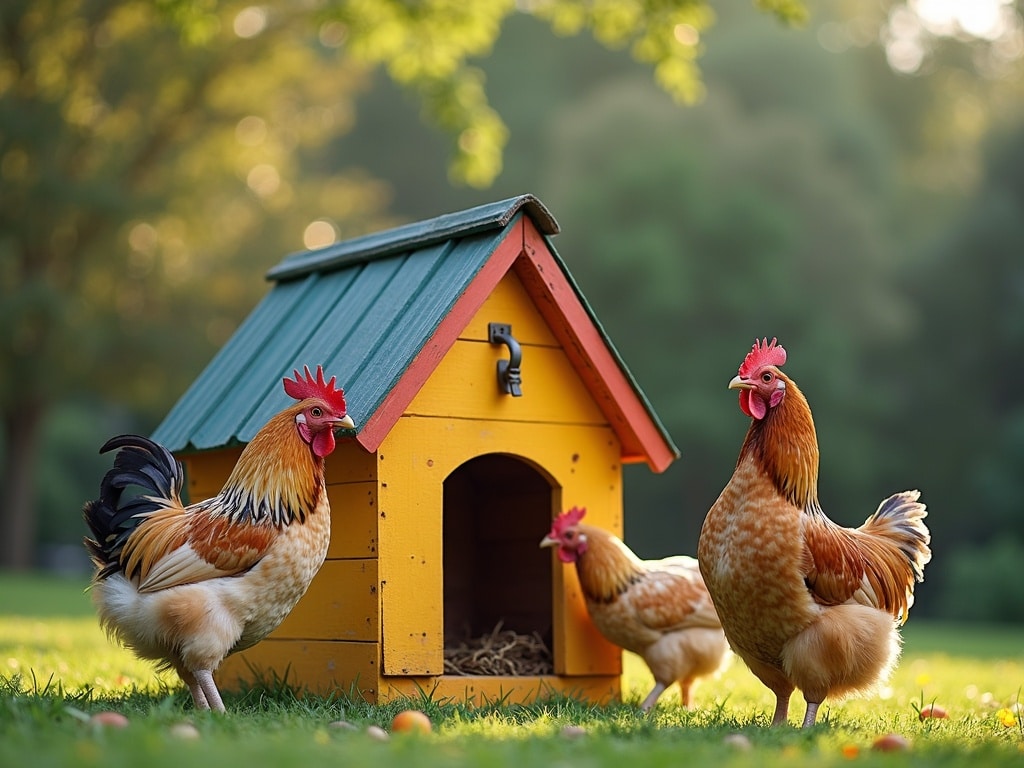
Description: A repurposed coop utilizes an existing structure, such as a shed, playhouse, or even a large dog house, and converting it into a chicken coop.
Pros:
Can save money on building materials.
Reduces waste by repurposing existing structures.
Often results in a unique and charming coop design.
Cons:
May require significant modifications to make it suitable for chickens.
Existing structure may not be ideally located or sized.
7. The Balcony or Patio Coop
Description: For apartment dwellers or those with limited yard space, a small coop can be built on a balcony or patio.
Pros:
Allows urban dwellers to keep chickens.
Can provide fresh eggs even in the absence of a yard.
Cons:
Requires careful planning to minimize noise and odor.
May be subject to stricter local regulations.
Limited space for chickens to roam.
8. The Under-Deck Chicken Coop
Description: Perfect for those with a raised deck, this coop tucks neatly into the unused space beneath.
Pros:
Excellent use of otherwise wasted space.
Naturally provides shelter from rain and sun.
Can be easily integrated into existing landscaping.
Cons:
Requires careful planning to ensure adequate ventilation and drainage.
Headroom may be limited.
Access for cleaning may be challenging.
Essential Features of Any Small Yard Chicken Coop
Regardless of the design you choose, every chicken coop should include these essential features:
- Secure Housing: A solid, weatherproof coop that protects chickens from the elements and predators.
- Adequate Ventilation: Good ventilation is crucial to prevent the buildup of ammonia and moisture, which can lead to respiratory problems.
- Roosting Bars: Chickens need a place to roost (sleep) off the ground. Roosting bars should be about 2-4 inches wide and placed at varying heights.
- Nesting Boxes: Provide one nesting box for every 3-4 hens. Nesting boxes should be dark, quiet, and filled with soft bedding like straw or wood shavings.
- Easy Access for Cleaning: A coop that's easy to clean will save you time and effort and help keep your chickens healthy.
- Secure Run: A fenced-in area that allows chickens to roam and scratch safely. The run should be covered with hardware cloth to prevent predators from digging under or climbing over.
- Food and Water: Provide a constant supply of fresh food and water in feeders and waterers that are designed to prevent waste and contamination.
Tips for Maximizing Space and Keeping Chickens Happy in Small Yards
Even with a well-designed coop, keeping chickens happy and healthy in a small yard requires some extra effort. Here are some tips to help you succeed:
- Choose the Right Breed: As mentioned earlier, smaller, docile breeds are best suited for confined spaces.
- Keep the Coop Clean: Regular cleaning is essential to prevent the buildup of ammonia and bacteria. Clean the coop at least once a week, removing soiled bedding and droppings.
- Provide Enrichment: Chickens need mental and physical stimulation to prevent boredom and destructive behaviors. Provide them with toys, dust baths, and opportunities to scratch and forage.
- Manage Manure Effectively: Chicken manure is a valuable resource, but it can also be a nuisance if not managed properly. Compost the manure to reduce odor and create a valuable fertilizer for your garden.
- Control Odor: In addition to regular cleaning, consider using odor-absorbing materials like zeolite or diatomaceous earth in the coop.
- Prevent Overcrowding: Overcrowding can lead to stress, disease, and aggression. Make sure you have enough space for your chickens to thrive.
- Rotate the Run: If possible, rotate the location of the run to allow vegetation to recover and reduce the buildup of pathogens in the soil. Chicken tractors are ideal for this.
- Provide Shade and Shelter: Make sure your chickens have access to shade during the hottest part of the day and shelter from rain and wind. Trees, shrubs, or tarps can provide shade, while a well-insulated coop will offer protection from the elements.
- Consider a Chicken Run Garden: Plant the perimeter of the run with chicken-safe plants. This creates a visual barrier, offers additional shade, and provides chickens with a foraging opportunity, which contributes to less boredome!
Building vs. Buying: Weighing Your Options
Should you build your own chicken coop, or buy a pre-made one? Here's a breakdown of the pros and cons of each option:
Building a Chicken Coop
Pros:
Customization: You can design the coop to perfectly fit your specific needs and available space.
Cost Savings: Building your own coop can often be cheaper than buying a pre-made one, especially if you use reclaimed materials.
Satisfaction: Building something with your own hands can be a rewarding experience.
Cons:
Time Commitment: Building a coop takes time, effort, and some carpentry skills.
Potential for Mistakes: If you're not experienced with building, you may make mistakes that can compromise the coop's functionality or structural integrity.
Tool Requirements: You'll need access to a variety of tools, such as a saw, drill, hammer, and measuring tape.
Buying a Chicken Coop
Pros:
Convenience: Buying a pre-made coop saves you time and effort.
Ease of Assembly: Many pre-made coops are designed for easy assembly.
Variety of Options: There are a wide variety of pre-made coops available, from basic models to elaborate structures.
Cons:
Higher Cost: Pre-made coops are generally more expensive than building your own.
Limited Customization: You're limited to the designs that are available on the market.
Quality Concerns: Some pre-made coops are made with low-quality materials that may not be durable or predator-proof.
Predator Proofing: The Non-Negotiable
Regardless of whether you live in a rural or urban area, protecting your chickens from predators is paramount. Here's how to make your coop a fortress:
- Hardware Cloth: Use 1/2-inch hardware cloth (not chicken wire) to enclose the run and any openings in the coop. Hardware cloth is much stronger and more resistant to predators than chicken wire.
- Bury the Wire: Bury the hardware cloth at least 12 inches deep around the perimeter of the run to prevent predators from digging under. An apron of hardware cloth extending outwards from the base of the run is even better.
- Secure Latches: Use secure latches on all doors and gates to prevent predators from opening them. Carabiner clips or bolt snaps are good options.
- Cover the Top: Cover the top of the run with hardware cloth or netting to protect chickens from aerial predators like hawks and owls.
- Close the Coop at Night: Train your chickens to go into the coop at night and close the coop door securely.
- Motion-Activated Lights: Install motion-activated lights around the coop to deter nocturnal predators.
- Guard Animals: Consider getting a guard dog, cat, or even a goose to help protect your chickens.
- Regular Inspections: Regularly inspect the coop and run for any signs of damage or weakness and make repairs immediately.
Choosing the Right Chicken Breed for Your Small Yard
Not all chicken breeds are created equal, especially when it comes to small yard living. Here are some of the best breeds for smaller spaces:
- Bantams: Bantams are miniature chickens that require less space than standard-sized breeds. They are also generally quieter and less destructive. Popular Bantam breeds include Silkie Bantams, Cochin Bantams, and Sebright Bantams.
- Cochins: Cochins are docile, friendly chickens that are well-suited for confined spaces. They are also good layers and cold-hardy.
- Silkies: Silkies are known for their fluffy feathers and gentle nature. They are not prolific layers, but they make great pets.
- Orpingtons: Orpingtons are large, friendly birds that are good layers and also make good meat birds. They are relatively docile and can tolerate confinement.
- Wyandottes: Wyandottes are hardy, dual-purpose chickens that are good layers and also relatively docile.
- Leghorns: While Leghorns are prolific layers, they can also be flighty and active, which may not be ideal for small yards. However, some strains of Leghorns are more docile than others.
Dealing with Common Challenges of Small Yard Chicken Keeping
Keeping chickens in a small yard can present some unique challenges. Here's how to address them:
- Odor Control: Odor can be a major concern when keeping chickens in close proximity to neighbors. Regular coop cleaning, proper ventilation, and the use of odor-absorbing materials can help mitigate this problem.
- Noise: Chickens can be noisy, especially when they are laying eggs or feel threatened. Choosing quieter breeds and providing them with plenty of space and enrichment can help reduce noise levels.
- Dust: Chickens love to dust bathe, which can create a lot of dust, especially in dry climates. Providing a designated dust bath area and keeping the coop and run moist can help control dust.
- Pest Control: Chickens can attract pests like rodents, flies, and mites. Keeping the coop clean, storing feed in sealed containers, and using natural pest control methods can help prevent infestations.
- Mud: Mud can be a problem in areas with heavy rainfall. Providing good drainage, adding gravel or wood chips to the run, and rotating the run can help prevent muddy conditions.
The Joys of Small-Yard Chicken Keeping
Despite the challenges, keeping chickens in a small yard can be an incredibly rewarding experience. The joy of collecting fresh eggs every morning, the satisfaction of raising your own food, and the companionship of these feathered friends make it all worthwhile. With careful planning, proper coop design, and a little bit of effort, you can create a thriving chicken haven, even in the smallest of yards. So go ahead, embrace the cluck life, and enjoy the many benefits of backyard chicken keeping!