
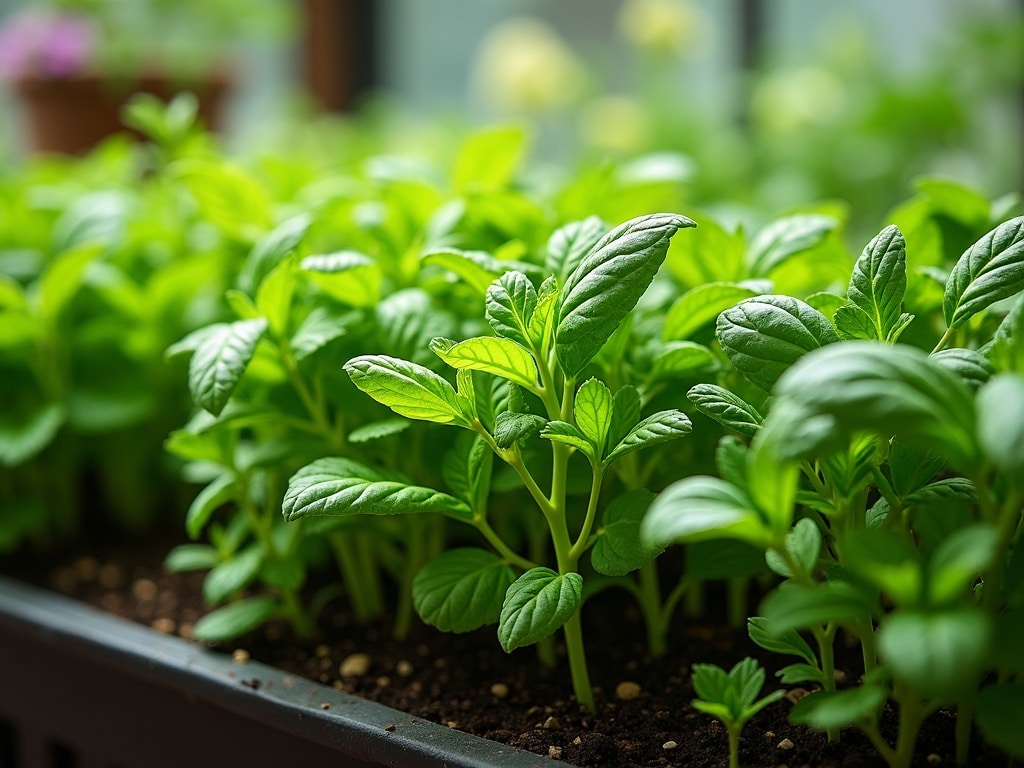
Growing Herbs Hydroponically at Home: A Complete Guide
Imagine fresh basil, fragrant mint, and zesty cilantro readily available at your fingertips, all year round, regardless of the season or your outdoor space. That's the promise of growing herbs hydroponically at home. No soil, less mess, and often faster growth – it's a modern approach to herb gardening that's captivating both seasoned gardeners and curious beginners alike. But where do you start? This comprehensive guide will walk you through everything you need to know to successfully cultivate your own indoor herb garden, from choosing the right system to harvesting your bountiful crop.
Why Choose Hydroponics for Herb Gardening?
Conventional gardening, with its reliance on soil, can be unpredictable and demanding. Hydroponics offers a controlled environment that eliminates many of the challenges associated with traditional methods. Here's why you might want to consider making the switch:
- Faster Growth: Plants grown hydroponically receive nutrients directly to their roots, bypassing the need to search for them in the soil. This readily available nourishment translates to significantly faster growth rates — often up to 50% faster than soil-based gardening.
- Higher Yields: Because plants are growing at their optimal rate, they also tend to produce larger and more abundant yields. You can harvest more herbs in a shorter amount of time.
- Less Water Consumption: Counterintuitively, hydroponics uses significantly less water than traditional gardening. The water is recirculated within the system, minimizing water loss through evaporation and runoff.
- No Soil-Borne Diseases or Pests: Soil can harbor a variety of diseases and pests that can decimate your herb garden. Hydroponics eliminates this risk, making it easier to maintain healthy plants.
- Year-Round Growing: With the right setup, you can grow herbs indoors year-round, regardless of the weather outside. This is especially appealing for those living in climates with harsh winters or short growing seasons.
- Space Saving: Hydroponic systems can be remarkably compact, making them ideal for apartments, condos, and other small living spaces. Vertical systems, in particular, maximize space utilization.
- Less Weeding: Since there's no soil, there are virtually no weeds to contend with. This saves you time and effort, allowing you to focus on the plants themselves.
Understanding the Basics of Hydroponics
At its core, hydroponics is the process of growing plants without soil, using water-based nutrient solutions to deliver essential elements directly to the roots. Here's a brief overview of the fundamental principles:
The Nutrient Solution: Plant Food for Hydroponics
The nutrient solution is the lifeblood of your hydroponic system. It's a carefully formulated mixture of water and essential nutrients that plants need to thrive. These nutrients are typically divided into macronutrients (nitrogen, phosphorus, potassium, calcium, magnesium, and sulfur) and micronutrients (iron, manganese, zinc, copper, boron, and molybdenum). You can purchase pre-mixed nutrient solutions specifically designed for hydroponics or mix your own using individual nutrient salts. Maintaining the correct pH level is also crucial for nutrient absorption; most herbs prefer a pH between 5.5 and 6.5.
The Importance of Oxygen
While plants need water, their roots also require oxygen to function properly. In soil, oxygen is readily available in the air pockets surrounding the roots. In hydroponics, it's essential to ensure that the roots have access to sufficient oxygen. This can be achieved through various methods, such as aerating the nutrient solution with an air pump and air stone, or by using systems where the roots are exposed to air periodically.
The Role of Light
Like all plants, herbs need light to photosynthesize and produce energy. If you're growing herbs indoors, you'll likely need to supplement natural light with artificial grow lights. Full-spectrum LED grow lights are a popular choice, as they are energy-efficient and provide the necessary wavelengths of light for plant growth. The amount of light needed will vary depending on the specific herb, but generally, herbs need at least 6-8 hours of light per day.
Choosing the Right Hydroponic System for Herbs
There are several different types of hydroponic systems, each with its own advantages and disadvantages. Here's a look at some of the most popular options for growing herbs at home:
Deep Water Culture (DWC)
DWC is one of the simplest and most affordable hydroponic systems. In a DWC system, the plant's roots are suspended in a container of nutrient solution. An air pump and air stone are used to oxygenate the solution, preventing the roots from drowning. DWC is a good option for beginners, as it's relatively easy to set up and maintain. It's particularly well-suited for growing leafy herbs like lettuce, spinach, and basil.
Nutrient Film Technique (NFT)
NFT systems consist of a shallow channel or trough through which a thin film of nutrient solution is continuously pumped. The plant's roots are suspended in the channel, allowing them to absorb nutrients and oxygen from the flowing solution. NFT systems are efficient and can support a large number of plants, making them a good choice for commercial herb production or for serious home gardeners. However, they require a bit more maintenance than DWC systems, as the pump needs to be functioning reliably to prevent the roots from drying out.
Ebb and Flow (Flood and Drain)
Ebb and flow systems work by periodically flooding a tray containing the plants with nutrient solution, then draining the solution back into a reservoir. This cycle of flooding and draining provides the roots with both nutrients and oxygen. Ebb and flow systems are versatile and can be used to grow a wide variety of herbs. They are also relatively easy to automate, making them a convenient option for busy gardeners.
Wick System
The wick system is the simplest type of hydroponic system, requiring no pumps or electricity. In a wick system, a wicking material, such as nylon rope or felt, is used to draw nutrient solution from a reservoir up to the plant's roots. Wick systems are inexpensive and easy to set up, making them a great option for beginners. However, they are not as efficient as other types of hydroponic systems and are best suited for growing small, relatively slow-growing herbs.
Drip System
Drip systems deliver nutrient solution directly to the base of each plant through a network of tubing and emitters. The rate of flow can be adjusted to meet the specific needs of each plant. Drip systems are very efficient and can be used to grow a wide variety of herbs. They are particularly well-suited for larger plants or for gardens with plants that have different watering needs. Drip systems can be a bit more complex to set up than other types of hydroponic systems, but they offer a high degree of control over the growing process.
Choosing the Right Herbs for Hydroponics
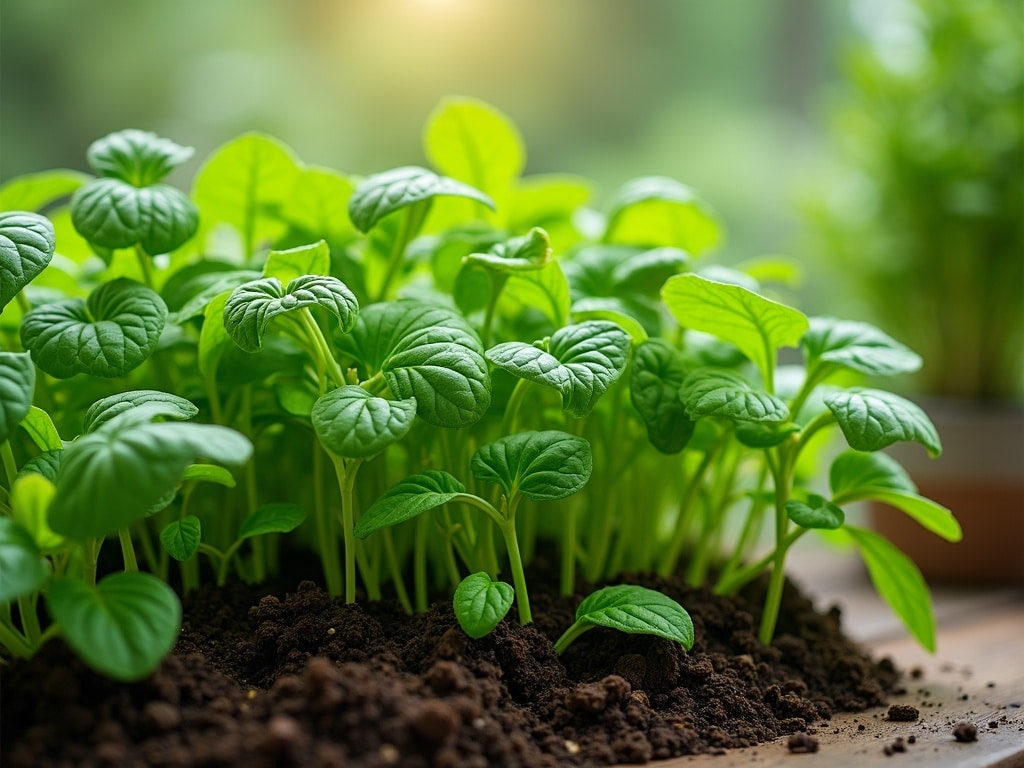
While many herbs can be grown hydroponically, some are better suited for it than others. Here are some of the easiest and most rewarding herbs to grow using hydroponics:
- Basil: Basil thrives in hydroponic systems, producing abundant leaves with intense flavor. It's relatively fast-growing and can be harvested continuously throughout the growing season.
- Mint: Mint is another excellent choice for hydroponics. It grows quickly and easily, producing a steady supply of fresh mint leaves for teas, cocktails, and culinary use. Be aware that mint can be invasive, so it's best to keep it contained in its own hydroponic system.
- Chives: Chives are easy to grow hydroponically and provide a mild onion flavor to salads, soups, and other dishes. They are relatively low-maintenance and can be harvested continuously.
- Parsley: Both curly and flat-leaf parsley grow well in hydroponic systems. Parsley provides a fresh, slightly peppery flavor to a wide range of dishes.
- Cilantro: Cilantro can be a bit more challenging to grow hydroponically than some other herbs, but with the right conditions, it can produce a bountiful crop. It prefers cooler temperatures and plenty of light.
- Lettuce: Although technically a leafy green, lettuce can be grown alongside many common herbs in a hydroponic system. It grows very quickly and comes in many different varities offering different flavors.
- Oregano: Growing oregano using a hydroponic system works very well and allows for consistent harvesting.
Setting Up Your Hydroponic Herb Garden
Once you've chosen a hydroponic system and selected the herbs you want to grow, it's time to set up your garden. Here's a step-by-step guide to get you started:
- Choose a Location: Select a location that receives adequate light, either natural or artificial. If you're using grow lights, make sure you have a power source nearby.
- Assemble Your System: Follow the instructions provided with your chosen hydroponic system to assemble it correctly.
- Prepare the Nutrient Solution: Mix the nutrient solution according to the manufacturer's instructions. Be sure to use clean, filtered water.
- Plant Your Herbs: You can start herbs from seeds or purchase seedlings from a nursery. If starting from seeds, use a sterile growing medium such as rockwool or coco coir to germinate the seeds. Once the seedlings have developed a few true leaves, they can be transplanted into your hydroponic system.
- Monitor and Adjust: Regularly monitor the pH and nutrient levels of the solution and adjust as necessary. Also, prune your herbs to encourage bushier growth and prevent them from becoming leggy.
Essential Equipment and Supplies
To get started with hydroponic herb gardening, you'll need a few essential pieces of equipment and supplies:
- Hydroponic System: Choose a system that suits your budget, space, and experience level.
- Grow Lights: If you're growing herbs indoors, you'll need grow lights to provide them with sufficient light.
- Nutrient Solution: Purchase a pre-mixed nutrient solution or mix your own using individual nutrient salts.
- pH Meter: A pH meter is essential for monitoring and adjusting the pH of the nutrient solution.
- TDS Meter: A TDS (total dissolved solids) meter measures the concentration of nutrients in the solution.
- Growing Medium: If starting from seeds, you'll need a sterile growing medium such as rockwool or coco coir.
- Air Pump and Air Stone: For DWC systems, you'll need an air pump and air stone to oxygenate the nutrient solution.
- Timer: A timer can be used to automate the operation of grow lights and pumps.
Maintaining Your Hydroponic Herb Garden
Once your hydroponic herb garden is up and running, it's important to maintain it properly to ensure healthy plant growth and abundant yields. Here are some key maintenance tasks:
Monitoring the Nutrient Solution
Regularly check the pH and nutrient levels of the solution. The pH should be maintained between 5.5 and 6.5 for most herbs. The nutrient levels should be adjusted according to the specific needs of your plants. Use a pH meter and TDS meter to monitor these levels and adjust the solution as needed. Change the nutrient solution every 1-2 weeks to prevent the buildup of salts and other contaminants.
Pruning and Harvesting
Pruning your herbs regularly encourages bushier growth and prevents them from becoming leggy. Pinch off the tips of the stems to promote branching. Harvest your herbs as needed, using scissors or pruning shears. Regular harvesting also encourages new growth.
Controlling Pests and Diseases
While hydroponics eliminates many of the pests and diseases associated with soil-based gardening, it's still possible for problems to arise. Inspect your plants regularly for signs of pests or diseases. If you spot any problems, take action immediately to prevent them from spreading. Use organic pest control methods whenever possible, such as insecticidal soap or neem oil. Ensure adequate ventilation to help prevent fungal diseases.
Maintaining the System
Clean your hydroponic system regularly to prevent the buildup of algae and other contaminants. Flush the system with clean water every few weeks. Inspect the pumps, tubing, and other components of the system to ensure that they are functioning properly. Replace any worn or damaged parts as needed.
Troubleshooting Common Problems
Even with careful planning and maintenance, problems can sometimes arise when growing herbs hydroponically. Here are some common problems and how to troubleshoot them:
- Nutrient deficiencies: Yellowing leaves, stunted growth, or other unusual symptoms can indicate a nutrient deficiency. Check the pH and nutrient levels of the solution and adjust as needed. Make sure you're using a nutrient solution that's specifically formulated for hydroponics.
- Algae growth: Algae can grow in hydroponic systems, especially if they are exposed to light. Algae can compete with your plants for nutrients and oxygen. To prevent algae growth, keep the system covered and out of direct sunlight. You can also add hydrogen peroxide to the nutrient solution to kill algae.
- Root rot: Root rot is a fungal disease that can occur when the roots are not getting enough oxygen. It can cause the roots to turn brown and mushy. To prevent root rot, make sure the nutrient solution is properly aerated. You can also add beneficial bacteria to the solution to help prevent fungal growth.
- Pest infestations: Although hydroponics reduces the risk of pest infestations, it's still possible for pests to find their way into your system. Inspect your plants regularly for signs of pests and take action immediately to prevent them from spreading. Use organic pest control methods whenever possible.
- pH Imbalance: Incorrect pH levels can prevent the plant from absorbing the appropriate nutrients. Adjust up or down as needed with pH adjusters, which can be found at most hydroponic and gardening stores.
Advanced Techniques for Hydroponic Herb Gardening
Once you've mastered the basics of hydroponic herb gardening, you may want to explore some more advanced techniques to further optimize your yields and the quality of your herbs:
Using CO2 Enrichment
Plants need carbon dioxide (CO2) for photosynthesis. In a closed indoor environment, the CO2 levels can become depleted, limiting plant growth. Supplementing the air with CO2 can significantly increase the rate of photosynthesis and boost plant growth. CO2 enrichment systems can be purchased commercially or built at home.
Temperature Control
Maintaining the optimal temperature for your herbs can also improve their growth and yield. Most herbs prefer temperatures between 65°F and 75°F (18°C and 24°C). Use a thermostat and a heater or air conditioner to maintain the desired temperature. Consider the lights you are using as a source of heat, although LED grow lights produce very little.
Aeroponics
Aeroponics is a type of hydroponics where the roots are suspended in the air and sprayed with nutrient solution. This provides the roots with maximum access to oxygen and nutrients, resulting in very rapid growth rates. Aeroponics systems can be more complex to set up and maintain than other types of hydroponic systems, but they can also deliver exceptional results.
Sea of Green (SOG)
Sea of Green is a growing technique that involves growing a large number of small plants in a small space. The plants are grown close together and harvested when they reach a relatively small size. This technique can maximize yields in a limited space. It's also important to consider the strain of herb when selecting techniques, some work better than others for particular herbs.
Conclusion: Your Journey to Hydroponic Herb Mastery
Growing herbs hydroponically at home is a rewarding and sustainable way to enjoy fresh, flavorful herbs year-round. While it may seem daunting at first, with a little research and experimentation, anyone can master the art of hydroponic herb gardening. From choosing the right system to maintaining optimal growing conditions, this comprehensive guide has provided you with the knowledge you need to embark on your hydroponic journey. So, get started today and experience the joy of harvesting your own homegrown herbs, fresh from your indoor garden!