
How Much Does a Greenhouse Cost? A Comprehensive Guide to Greenhouse Pricing
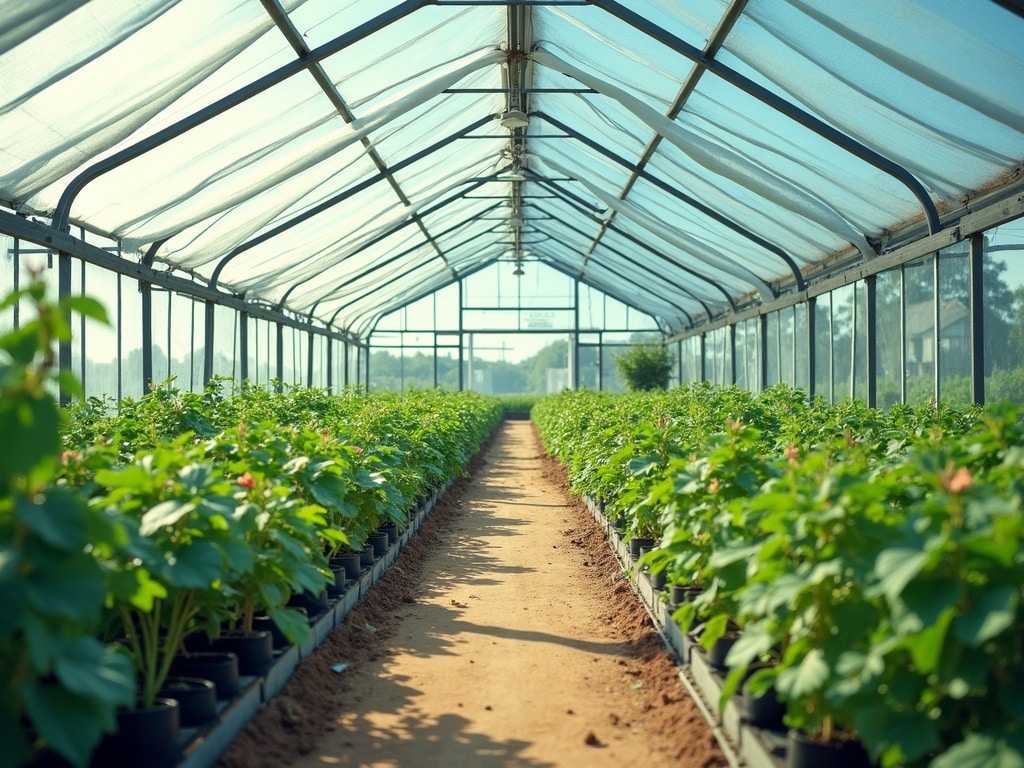
Imagine stepping into a lush, vibrant oasis bursting with life, even in the dead of winter. That's the promise of a greenhouse – a controlled environment where you can nurture your favorite plants year-round. But before you start envisioning bountiful harvests and exotic blooms, a crucial question looms: How much does a greenhouse cost? The answer, unfortunately, isn't a simple one. Greenhouse prices are influenced by a vast array of factors, from size and materials to features and installation. This guide will break down all the cost considerations, helping you understand the investment required to bring your greenhouse dreams to life.
Understanding the Factors Influencing Greenhouse Cost
The price of a greenhouse isn't pulled from thin air. It's determined by several key components that stack up to create the final figure. Understanding these factors is essential for budgeting and making informed decisions.
Size Matters: Footprint and Growing Space
Unsurprisingly, the size of your desired greenhouse is one of the most significant cost drivers. A small, hobby-sized greenhouse suitable for a backyard gardener will naturally be much cheaper than a large, commercial-grade structure designed for extensive cultivation. Think about the square footage you need to accommodate your plants, gardening activities, and any additional workspace. Consider future expansion too – will your needs grow over time? Account for seedlings, mature plants, and comfortable working space.
Material Choices: Framing and Glazing
The materials used for the greenhouse frame and glazing (the transparent covering) have a profound impact on both price and performance. Let's examine the most common options:
Framing Materials: Durability and Aesthetics
- Wood: Wood offers a classic, aesthetically pleasing look and provides good insulation. However, it requires regular maintenance to prevent rot and insect infestation. Cedar and redwood are popular choices due to their natural resistance to decay, but they come at a higher price point.
- Aluminum: Aluminum is lightweight, durable, and corrosion-resistant, making it a popular choice for greenhouse frames. It's relatively low-maintenance and offers a clean, modern appearance. However, aluminum doesn't provide as much insulation as wood and can be more expensive upfront.
- Steel: Steel is incredibly strong and durable, capable of withstanding heavy snow loads and strong winds. It's often used in larger, commercial greenhouses. However, steel is susceptible to rust if not properly treated, and it can be more expensive than aluminum.
- PVC: PVC (polyvinyl chloride) is a budget-friendly option that is lightweight and easy to assemble. It's resistant to rot and corrosion but can be less durable than other materials and may not be suitable for areas with extreme weather conditions. PVC can also become brittle over time, especially with prolonged exposure to sunlight.
Glazing Materials: Light Transmission and Insulation
- Glass: Glass provides excellent light transmission, allowing plants to receive ample sunlight. It's also relatively durable and offers good insulation. However, glass is heavy, breakable (unless tempered), and can be more expensive than other glazing options.
- Polycarbonate: Polycarbonate is a lightweight, impact-resistant plastic that offers good light transmission and insulation. It's more durable than glass and less likely to shatter. Polycarbonate is available in different thicknesses; thicker panels provide better insulation but come at a higher cost. Double-walled polycarbonate is a popular choice for its superior insulation properties.
- Polyethylene Film (Poly Film): Poly film is the most affordable glazing option, commonly used for hoop houses and temporary greenhouses. It's lightweight and easy to install but has a shorter lifespan than other materials and offers less insulation. Poly film typically needs to be replaced every few years.
- Acrylic: Similar to polycarbonate, acrylic is a durable plastic that offers good light transmission and insulation. It tends to be more expensive than polycarbonate but offers greater clarity.
Foundation and Site Preparation
The foundation upon which your greenhouse sits is another cost component to consider. A simple, gravel base might suffice for smaller greenhouses, while larger, more permanent structures require a concrete foundation. Site preparation, including leveling the ground and clearing any existing vegetation, can also add to the overall cost. Consider drainage needs as well – proper drainage is crucial to prevent waterlogging and potential damage to the greenhouse structure and plants.
Essential Features and Equipment
Beyond the basic structure, several features and equipment are essential for creating a thriving greenhouse environment. These can significantly impact the overall cost:
- Ventilation: Adequate ventilation is crucial for regulating temperature and humidity levels within the greenhouse. Options range from simple manually operated vents to automated ventilation systems with fans and thermostats. Automated systems offer more precise control but come at a higher price. Consider roof vents, side vents, and circulation fans.
- Heating: Depending on your climate and the types of plants you plan to grow, you may need a heating system to maintain optimal temperatures during colder months. Options include electric heaters, gas heaters, and wood-burning stoves. The cost of heating will depend on the size of your greenhouse and the efficiency of the heating system. Consider the ongoing fuel costs as well as the initial investment.
- Cooling: In warmer climates, cooling systems are essential to prevent overheating. Options include shade cloth, evaporative coolers, and air conditioners. Shade cloth is a relatively inexpensive option, while evaporative coolers and air conditioners provide more effective cooling but require a larger investment.
- Irrigation: Efficient irrigation is vital for providing plants with the water they need. Options range from hand-watering to automated drip irrigation systems. Drip irrigation systems save water and reduce the risk of disease by delivering water directly to the plant roots.
- Lighting: Supplemental lighting may be necessary, especially during winter months or in areas with limited sunlight. Options include fluorescent grow lights, LED grow lights, and high-pressure sodium (HPS) lights. LED grow lights are becoming increasingly popular due to their energy efficiency and long lifespan.
- Benching and Shelving: Benching and shelving provide organized space for growing plants and seedlings. Options range from simple wooden benches to tiered shelving systems.
- Climate Control Systems: Advanced climate control systems automate temperature, humidity, and ventilation, providing optimal growing conditions. These systems offer precise control but come at a higher price point.
Installation Costs: DIY vs. Professional
You'll also need to factor in the cost of installation. You can choose to assemble the greenhouse yourself (DIY) or hire a professional installer. DIY installation can save you money on labor costs, but it requires time, effort, and some construction skills. Professional installation ensures the greenhouse is properly assembled and can help prevent problems down the road. Consider the complexity of the greenhouse design and your own skillset when making this decision.
Location, Location, Location: Permits and Zoning
Don't forget to factor in potential costs associated with permits and zoning regulations. Depending on your location, you may need to obtain permits before building a greenhouse. Zoning regulations may also restrict the size and location of greenhouses on your property. Check with your local authorities to determine the specific requirements in your area.
Greenhouse Cost Breakdown: A Tiered Approach
To give you a clearer idea of the potential costs, let's break down greenhouse pricing into three tiers:
Budget-Friendly Greenhouses: Entry-Level Options
These greenhouses are ideal for beginner gardeners or those on a tight budget. They typically feature simple designs, lightweight materials, and minimal features.
- Typical Size: 6′ x 8′ to 10′ x 12′
- Framing Material: PVC or lightweight aluminum
- Glazing Material: Polyethylene film or single-layer polycarbonate
- Foundation: Gravel or packed earth
- Essential Features: Manual vents
- Estimated Cost: $500 to $2,000
Pros: Affordable, easy to assemble, suitable for small-scale gardening.
Cons: Limited durability, less insulation, may require frequent repairs or replacements.
Mid-Range Greenhouses: Balancing Cost and Quality
These greenhouses offer a good balance of durability, features, and affordability. They are suitable for serious hobbyists and offer more growing space and control over the environment.
- Typical Size: 12′ x 16′ to 16′ x 24′
- Framing Material: Aluminum or wood
- Glazing Material: Double-layer polycarbonate or tempered glass
- Foundation: Concrete slab or perimeter foundation
- Essential Features: Automated vents, basic heating and cooling system, drip irrigation
- Estimated Cost: $2,000 to $10,000
Pros: Durable, good insulation, offers more environmental control, suitable for year-round gardening.
Cons: More expensive than budget-friendly options, requires more assembly effort.
High-End Greenhouses: Professional-Grade Structures
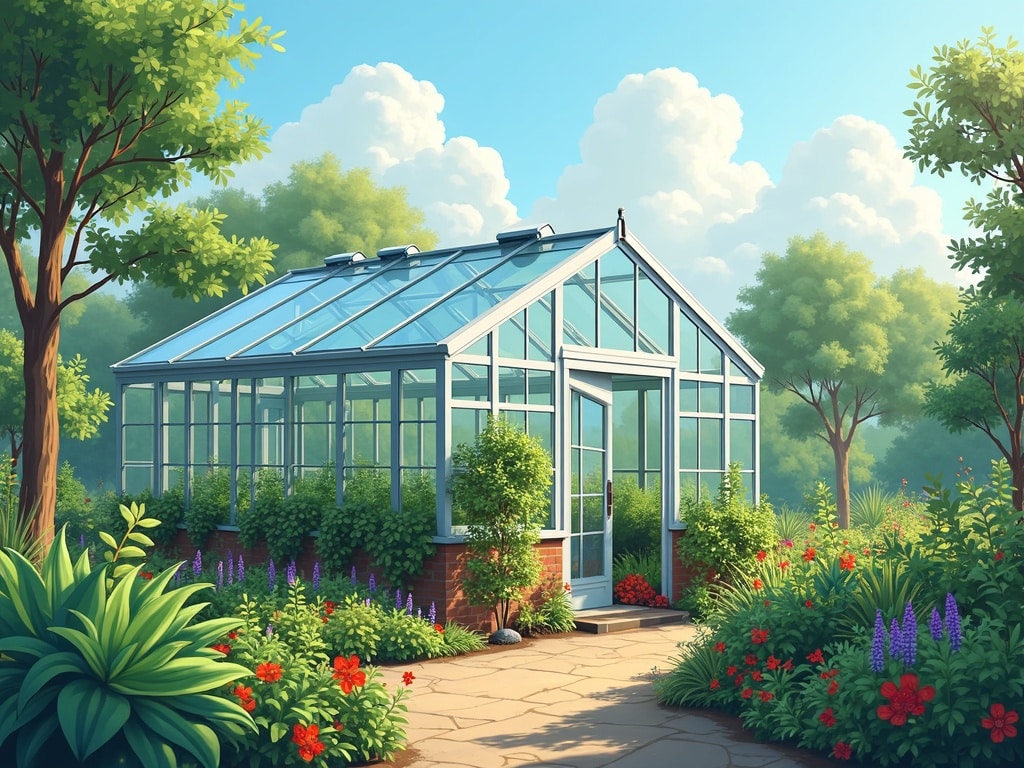
These greenhouses are designed for serious gardeners, commercial growers, or those seeking the ultimate in environmental control and durability. They feature high-quality materials, advanced features, and sophisticated climate control systems.
- Typical Size: 20′ x 30′ or larger
- Framing Material: Steel or heavy-duty aluminum
- Glazing Material: Double-layer polycarbonate or insulated glass
- Foundation: Concrete foundation with drainage system
- Essential Features: Advanced climate control system, automated irrigation and fertilization, supplemental lighting, shade cloth
- Estimated Cost: $10,000 and up (can easily exceed $50,000 for large, fully equipped structures)
Pros: Maximum durability, superior insulation, precise environmental control, optimized for year-round production.
Cons: Very expensive, requires professional installation, significant ongoing operational costs.
Breaking Down the Costs: A Detailed Look
Let's delve deeper into the individual costs associated with building a greenhouse:
Material Costs: A Price Comparison
The following table provides a general price comparison of common greenhouse materials. Prices can vary depending on the quality, supplier, and location.
| Material | Average Cost per Square Foot | Notes |
|---|---|---|
| Wood Framing (Cedar) | $5 – $10 | Durable and aesthetically pleasing, but requires maintenance. |
| Aluminum Framing | $4 – $8 | Lightweight and corrosion-resistant, low-maintenance. |
| Steel Framing | $6 – $12 | Very strong and durable, but susceptible to rust if not treated. |
| PVC Framing | $2 – $5 | Affordable and easy to assemble, but less durable. |
| Glass Glazing | $3 – $8 | Excellent light transmission and insulation, but heavy and breakable. |
| Polycarbonate Glazing | $2 – $6 | Lightweight and impact-resistant, good light transmission and insulation. |
| Polyethylene Film | $0.50 – $2 | Most affordable, but short lifespan and less insulation. |
Equipment Costs: Ventilation, Heating, and More
The cost of equipment can vary significantly depending on the type and complexity of the system.
- Ventilation: Manual vents ($50 – $200), automated vents ($200 – $500), exhaust fans ($100 – $300)
- Heating: Electric heater ($50 – $300), gas heater ($200 – $1,000), wood-burning stove ($100 – $500)
- Cooling: Shade cloth ($20 – $100), evaporative cooler ($200 – $500), air conditioner ($500 – $2,000)
- Irrigation: Hand-watering (minimal cost), drip irrigation system ($50 – $500)
- Lighting: Fluorescent grow lights ($20 – $100), LED grow lights ($50 – $300), HPS lights ($100 – $500)
- Benching and Shelving: Wooden benches ($50 – $200), tiered shelving system ($100 – $500)
Installation Costs: DIY vs. Professional
If you choose to hire a professional installer, expect to pay between $500 and $5,000 depending on the size and complexity of the greenhouse. DIY installation can save you money, but it requires time and effort. Factor in the cost of tools and materials you may need to purchase.
Ongoing Operational Costs: Electricity, Water, and Maintenance
Don't forget to factor in the ongoing operational costs of running a greenhouse, including electricity for heating and lighting, water for irrigation, and maintenance expenses such as repairing or replacing damaged materials.
Tips for Saving Money on Your Greenhouse Project
Building a greenhouse can be a significant investment, but there are several ways to save money without sacrificing quality or functionality:
Repurpose and Recycle Materials
Consider using recycled or repurposed materials for the greenhouse frame or foundation. Old windows, doors, and lumber can be given new life in your greenhouse project.
Build Your Own Frame
Instead of purchasing a pre-fabricated frame, build your own using lumber or PVC pipes. There are many online resources and tutorials that can guide you through the process.
Choose Affordable Glazing Options
Polyethylene film is the most affordable glazing option, but it has a shorter lifespan than other materials. Consider using it for temporary greenhouses or in areas with mild climates.
Start Small and Expand Later
If you're on a tight budget, start with a small greenhouse and expand it later as your needs grow. This allows you to spread out the costs over time.
Shop Around for the Best Deals
Compare prices from different suppliers and retailers to find the best deals on materials and equipment. Look for sales, discounts, and clearance items.
DIY Installation
If you're handy and have the time, consider installing the greenhouse yourself to save on labor costs.
Energy Efficiency
Maximize energy efficiency to reduce ongoing operational costs. Use energy-efficient lighting, insulate the greenhouse walls, and seal any gaps or cracks.
Making the Right Choice: Assessing Your Needs and Budget
Ultimately, the best way to determine how much a greenhouse will cost is to carefully assess your needs and budget. Consider the following questions:
- What types of plants do you want to grow?
- How much growing space do you need?
- What is your climate like?
- How much time and effort are you willing to invest in maintaining the greenhouse?
- What is your budget?
By answering these questions, you can narrow down your options and choose a greenhouse that meets your specific needs and budget. Remember to factor in all the costs associated with building and operating a greenhouse, including materials, equipment, installation, and ongoing expenses.
The Long-Term Value of a Greenhouse
While the initial cost of a greenhouse can seem daunting, it's important to consider the long-term value it provides. A greenhouse allows you to grow your own fresh produce year-round, saving you money on groceries and reducing your reliance on commercially grown food. It also provides a therapeutic and rewarding hobby, allowing you to connect with nature and enjoy the satisfaction of growing your own plants. Furthermore, a well-maintained greenhouse can increase the value of your property.
Conclusion: Investing in Your Green Thumb
So, how much does a greenhouse cost? As you've learned, there's no single answer. The price depends on a myriad of factors, from the size and materials to the features and installation method. By carefully considering your needs, budget, and the information presented in this guide, you can make an informed decision and invest in a greenhouse that will bring you years of gardening enjoyment and bountiful harvests. Embrace the journey, nurture your green thumb, and watch your greenhouse dreams blossom into reality.