
How to Make Compost for Your Garden: A Comprehensive Guide
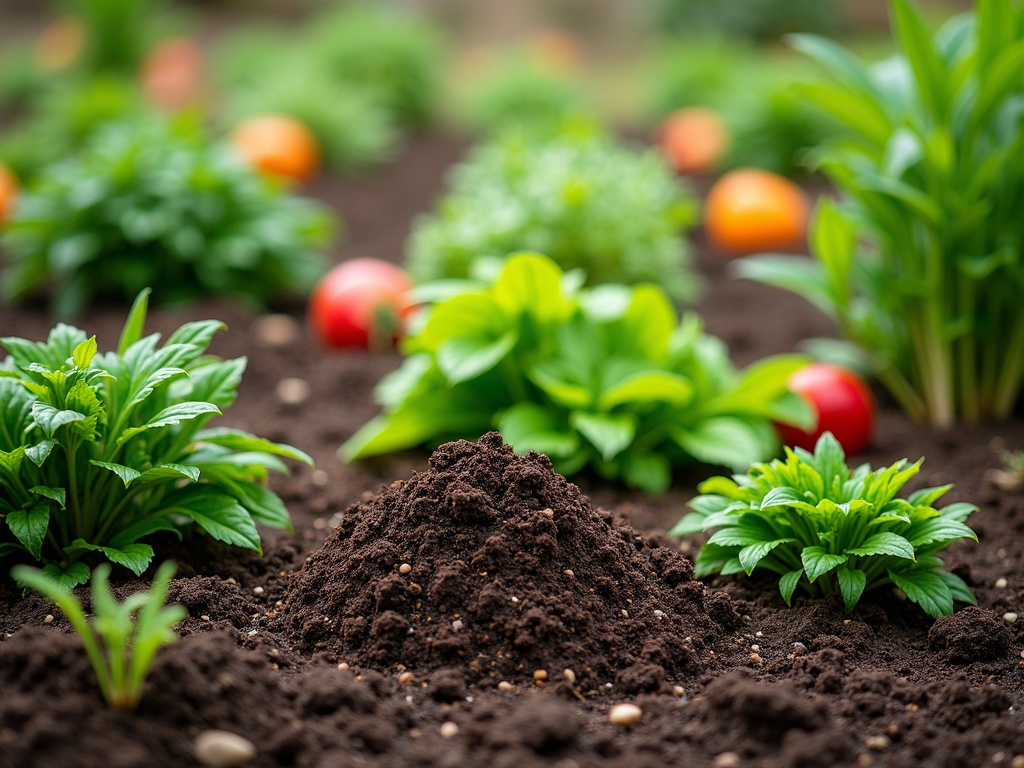
Imagine transforming your kitchen scraps and yard waste into a nutrient-rich elixir that supercharges your garden. Compost, often called black gold by gardeners, is nature's way of recycling organic matter into a valuable soil amendment. It's easier than you think to create your own compost at home, reducing waste and giving your vegetables the boost they need to thrive. Let's dive into everything you need to know about how to make compost for your garden.
Why Compost? The Benefits for Your Garden and the Planet
Before we get into the how, let's explore the why. Composting isn't just a trendy gardening practice; it's a vital process that benefits both your garden and the environment.
Benefits for Your Garden
- Enriches Soil: Compost improves soil structure, making it easier for roots to penetrate and absorb nutrients. It also helps sandy soil retain moisture and clay soil drain better.
- Provides Nutrients: Compost is packed with essential nutrients like nitrogen, phosphorus, and potassium, which plants need to grow strong and healthy.
- Suppresses Plant Diseases and Pests: Beneficial microbes in compost can help suppress plant diseases and pests naturally.
- Increases Water Retention: Compost acts like a sponge, holding water in the soil and reducing the need for frequent watering.
- Improves Soil Aeration: Compost creates air pockets in the soil, allowing roots to breathe and thrive.
- Balances Soil pH: Compost can help buffer soil pH, making it more suitable for a wider range of plants.
Benefits for the Planet
- Reduces Landfill Waste: A significant portion of landfill waste is organic matter, which could be composted instead. Composting diverts this waste, reducing methane emissions from landfills.
- Reduces the Need for Chemical Fertilizers: Compost provides a natural alternative to chemical fertilizers, which can harm the environment through runoff and pollution.
- Conserves Water: By improving soil water retention, composting reduces the need for irrigation, conserving precious water resources.
- Sequester Carbon: Compost helps sequester carbon in the soil, mitigating climate change.
Understanding the Science of Composting: The Ingredients and the Process
Composting is essentially a controlled decomposition process. Microorganisms, such as bacteria and fungi, break down organic matter into a stable, humus-like substance. To make compost effectively, you need to understand the key ingredients and factors that influence the composting process.
The Key Ingredients: Greens and Browns
The foundation of any compost pile is a balance of greens and browns. These terms refer to the carbon-to-nitrogen ratio of the materials you're adding.
Greens (Nitrogen-Rich Materials)
Greens provide the nitrogen that microorganisms need to thrive and multiply. Examples of greens include:
- Kitchen Scraps: Vegetable and fruit scraps, coffee grounds, tea bags (remove the staples), eggshells
- Grass Clippings: Freshly cut grass clippings (use sparingly, as they can mat down)
- Weeds: Weeds that haven't gone to seed
- Manure: Animal manure from herbivores (e.g., cows, horses, chickens – avoid pet waste)
- Green Leaves: Fresh green leaves
Browns (Carbon-Rich Materials)
Browns provide the carbon that microorganisms use for energy. They also help to create air pockets in the compost pile, which is crucial for aeration. Examples of browns include:
- Dry Leaves: Fallen leaves (shred them for faster decomposition)
- Straw: Straw or hay
- Shredded Paper: Newspaper, cardboard, and paper (shredded into small pieces)
- Wood Chips: Small wood chips or twigs
- Sawdust: Untreated sawdust (use sparingly)
- Pine Needles: Pine needles (acidic, so use in moderation)
The Ideal Carbon-to-Nitrogen Ratio
The ideal carbon-to-nitrogen (C:N) ratio for composting is around 25:1 to 30:1. This means you need approximately 25 to 30 parts of carbon-rich materials (browns) for every 1 part of nitrogen-rich materials (greens). In practice, this often translates to a ratio of about 2 parts browns to 1 part greens by volume.
Don't worry too much about precise measurements. The key is to aim for a good balance. If your compost pile is too wet and smells bad, it probably has too much nitrogen. Add more browns to help absorb the excess moisture and balance the ratio. If your compost pile is dry and not decomposing, it probably needs more nitrogen and moisture.
Other Important Factors for Successful Composting
- Moisture: The compost pile should be moist like a wrung-out sponge. Too dry, and the microorganisms will die. Too wet, and the pile will become anaerobic (lacking oxygen) and smell bad.
- Air: Microorganisms need oxygen to decompose organic matter efficiently. Turn the compost pile regularly to introduce air.
- Temperature: The ideal temperature for composting is between 130°F and 160°F. This is hot enough to kill weed seeds and pathogens but not so hot that it kills the beneficial microorganisms.
- Surface Area: Smaller particles decompose faster than larger ones. Shredding or chopping materials before adding them to the compost pile will speed up the composting process.
Choosing Your Composting Method: From Simple Piles to Tumblers
There are several different ways to make compost, each with its own advantages and disadvantages. The best method for you will depend on your space, budget, and how much time and effort you're willing to invest.
Cold Composting: The Easiest Method
Cold composting is the simplest and most hands-off approach. You simply pile up your organic materials in a designated area and let them decompose over time. This method requires minimal effort, but it takes much longer to produce finished compost (typically 6 months to 2 years).
How to Cold Compost:
- Choose a Location: Select a spot in your yard that is well-drained and receives some sunlight.
- Start Piling: Begin layering your greens and browns, alternating between the two.
- Keep it Moist: Water the pile occasionally to keep it moist.
- Wait: Let the pile decompose over time. You don't need to turn it, but turning it occasionally will speed up the process.
Pros of Cold Composting:
- Easy and requires minimal effort
- No special equipment needed
Cons of Cold Composting:
- Slow decomposition
- May not kill weed seeds and pathogens
- Can attract pests if not managed properly
Hot Composting: The Fastest Method
Hot composting is a more active and efficient method that produces finished compost in as little as 4 to 8 weeks. This method requires more effort, but it's worth it if you want to get compost quickly. Hot composting relies on creating the ideal conditions for thermophilic (heat-loving) microorganisms to thrive.
How to Hot Compost:
- Gather Materials: Collect a large quantity of greens and browns. You'll need enough to create a pile that is at least 3 feet by 3 feet by 3 feet.
- Build the Pile: Layer your greens and browns, alternating between the two. Water each layer as you go to keep it moist.
- Monitor the Temperature: Use a compost thermometer to monitor the temperature of the pile. Aim for a temperature between 130°F and 160°F.
- Turn the Pile: When the temperature starts to drop, turn the pile to redistribute the materials and introduce oxygen. Repeat this process every few days.
Pros of Hot Composting:
- Fast decomposition
- Kills weed seeds and pathogens
- Produces high-quality compost
Cons of Hot Composting:
- Requires more effort
- Need to monitor temperature and turn the pile regularly
- Requires a large quantity of materials
Compost Tumblers: A Convenient Option
Compost tumblers are enclosed containers that make it easier to turn and aerate the compost pile. They are a convenient option for people who have limited space or who don't want to deal with the hassle of turning a traditional compost pile.
How to Use a Compost Tumbler:
- Add Materials: Add your greens and browns to the tumbler, alternating between the two.
- Turn Regularly: Turn the tumbler regularly to aerate the compost pile. The frequency will depend on the specific tumbler model, but generally, you should turn it every 2-3 days.
- Monitor Moisture: Keep the compost pile moist like a wrung-out sponge.
- Harvest: When the compost is finished, simply empty the tumbler and use the compost in your garden.
Pros of Compost Tumblers:
- Easy to turn and aerate
- Enclosed container can deter pests
- Faster decomposition than cold composting
Cons of Compost Tumblers:
- Can be expensive
- Limited capacity
- Can become too dry or too wet if not managed properly
Vermicomposting: Composting with Worms
Vermicomposting, or worm composting, uses worms to break down organic matter. This method is ideal for people who live in apartments or who have limited outdoor space. It produces a rich, nutrient-rich compost called worm castings.
How to Vermicompost:
- Set Up a Worm Bin: You can purchase a commercially made worm bin or build your own. The bin should have drainage holes and a lid.
- Add Bedding: Add bedding to the bin, such as shredded newspaper, coconut coir, or peat moss.
- Introduce Worms: Add red wiggler worms (Eisenia fetida) to the bin. These worms are specifically adapted for composting.
- Feed the Worms: Feed the worms your kitchen scraps, such as vegetable and fruit scraps, coffee grounds, and tea bags. Bury the food under the bedding to prevent odors and fruit flies.
- Harvest Worm Castings: After a few months, the bedding will be transformed into worm castings. You can harvest the castings by moving the finished compost to one side of the bin and adding fresh bedding to the other side. The worms will migrate to the fresh bedding, leaving the castings behind.
Pros of Vermicomposting:
- Ideal for small spaces
- Produces nutrient-rich worm castings
- Reduces kitchen waste
Cons of Vermicomposting:
- Requires more attention than other methods
- Need to maintain proper moisture and temperature levels
- Can attract fruit flies if not managed properly
Troubleshooting Common Composting Problems
Composting is generally a straightforward process, but you may encounter some common problems along the way. Here are some tips for troubleshooting:
Problem: The Compost Pile Smells Bad
Cause: The compost pile is anaerobic (lacking oxygen) due to too much moisture or a lack of aeration.
Solution: Turn the pile more frequently to introduce oxygen. Add more browns to absorb excess moisture. Make sure the pile is not too compacted.
Problem: The Compost Pile is Not Decomposing
Cause: The compost pile is too dry, lacks nitrogen, or is too cold.
Solution: Water the pile to keep it moist like a wrung-out sponge. Add more greens to provide nitrogen. Make sure the pile is large enough to retain heat.
Problem: The Compost Pile is Attracting Pests
Cause: The compost pile contains meat, dairy, or oily foods, which attract pests like rodents and flies.
Solution: Avoid adding meat, dairy, or oily foods to the compost pile. Bury food scraps under a layer of browns to prevent pests from accessing them. Use an enclosed composter to deter pests.
Problem: The Compost Pile is Full of Fruit Flies
Cause: Fruit flies are attracted to decaying fruit and vegetables.
Solution: Bury food scraps deep in the compost pile. Cover the compost pile with a layer of browns. Use a compost bin with a tight-fitting lid. You can also use a fruit fly trap to catch the flies.
Problem: The Compost is Too Acidic
Cause: Too many acidic materials, such as pine needles or oak leaves, were added to the compost pile.
Solution: Add lime or wood ash to the compost pile to raise the pH. Avoid adding excessive amounts of acidic materials.
What NOT to Compost: Items to Avoid
While composting is a great way to recycle organic waste, certain items should never be added to your compost pile. These items can contaminate the compost, attract pests, or harm beneficial microorganisms.
- Meat, Poultry, and Fish: These items attract pests and can create unpleasant odors.
- Dairy Products: Dairy products also attract pests and can create unpleasant odors.
- Oils and Greases: Oils and greases can slow down the decomposition process and attract pests.
- Diseased Plants: Diseased plants can spread diseases to your garden when you use the compost.
- Weeds with Seeds: Weeds with seeds can spread weeds to your garden.
- Pet Waste: Pet waste can contain harmful pathogens that can contaminate the compost.
- Treated Wood: Treated wood contains chemicals that can leach into the compost and harm plants.
- Coal Ash: Coal ash can contain heavy metals that can contaminate the compost.
- Plastic: Plastic does not decompose and will contaminate the compost.
- Glossy or Coated Paper: Glossy or coated paper does not decompose easily and can contain harmful chemicals.
Harvesting and Using Your Compost
After a few months, your compost should be ready to harvest. Here's how to tell if your compost is finished:
- Appearance: The compost should be dark brown or black in color and have a crumbly texture.
- Smell: The compost should have a earthy smell, not a foul odor.
- Temperature: The compost should be cool to the touch.
- Ingredients: You should no longer be able to identify the original ingredients.
How to Harvest Compost
The harvesting method will depend on the type of composting system you're using.
- Compost Pile: Use a pitchfork or shovel to scoop the finished compost from the bottom of the pile. You may need to screen the compost to remove any large pieces of undecomposed material.
- Compost Tumbler: Simply empty the tumbler and use the compost in your garden.
- Vermicomposting Bin: As described earlier, move the finished compost to one side of the bin and add fresh bedding to the other side. The worms will migrate to the fresh bedding, leaving the castings behind.
How to Use Compost in Your Garden
Compost can be used in a variety of ways to improve your garden soil and boost plant growth.
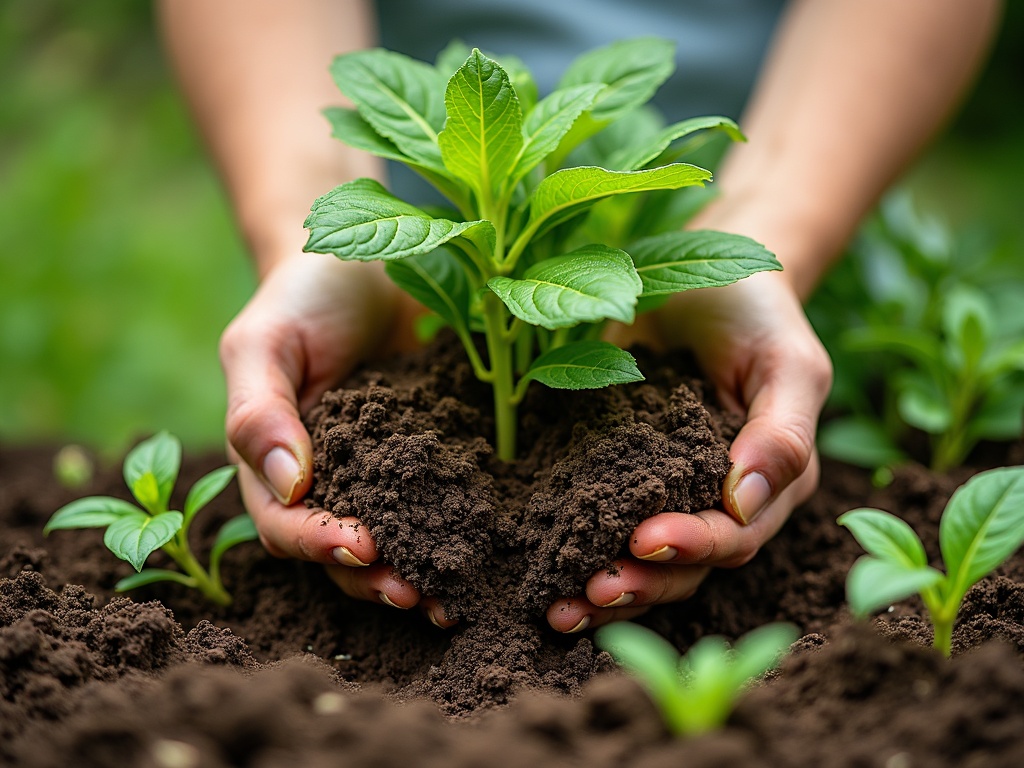
- Soil Amendment: Mix compost into your garden soil before planting to improve soil structure, drainage, and nutrient content.
- Top Dressing: Spread a layer of compost around the base of your plants to provide a slow-release source of nutrients.
- Potting Mix: Use compost as an ingredient in your homemade potting mix.
- Compost Tea: Steep compost in water to create a nutrient-rich liquid fertilizer.
Conclusion: Embrace the Black Gold
Making compost for your garden is a rewarding and sustainable practice that benefits both your plants and the planet. By understanding the principles of composting and choosing the right method for your needs, you can transform your kitchen scraps and yard waste into a valuable resource that will help your garden thrive. So, embrace the black gold and start composting today!